Chat on WhatsApp
Backpacks

Tool Bag Manufacturer: Service Panel Backpack

Service Panel Tool Backpack · OEM/ODM empty tool-bag development for tool brands, industrial distributors and field-service procurement teams

OEM/ODM design reference for an empty textile carrier. Final materials, fit and construction are confirmed through sampling; any performance evaluation is agreed separately.

Reference size
Specified around the actual tool list and confirmed during sampling
MOQ
300 pieces per style per color
Sampling
Confirmed after the development brief and materials are agreed
Bulk production
Confirmed after sample approval and production planning
Discuss OEM development Compare backpack formats

Made-to-order B2B development. Dimensions, materials and fit are confirmed through sampling.

Brief a tool bag manufacturer on one sewn backpack format: a U-zip front panel, six fixed rear sleeves and two inner mesh pockets. Service Panel is a development reference for an empty carrier. Share the actual tool list before fixing the sleeve sequence, opening clearance and carrying attachments.

Plan the tool layout before the shell

The open reference connects the fixed organizer to the front opening. Use your actual tool measurements to decide what belongs in each sleeve and what needs a separate zipped pocket.

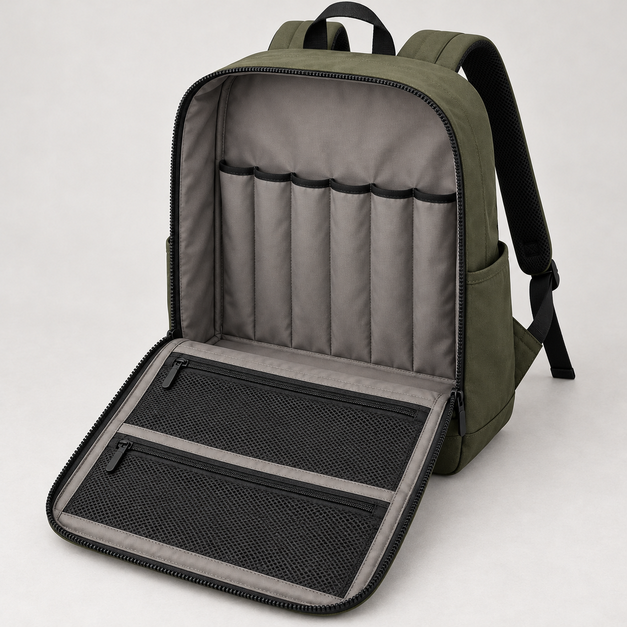
Service Panel Tool Backpack, open six-sleeve and two-mesh-pocket interior design reference

Six sleeves within one chamber

The rear organizer has six long sleeves; two stacked mesh zipper pockets sit on the inside of the fold-down front panel. Check each item’s width, depth and exposed height, then review whether the front can close without pressing against the contents.

  • Single chamber with a full front U-zip opening
  • Six fixed long rear interior sleeves
  • Two stacked inner front mesh zipper pockets
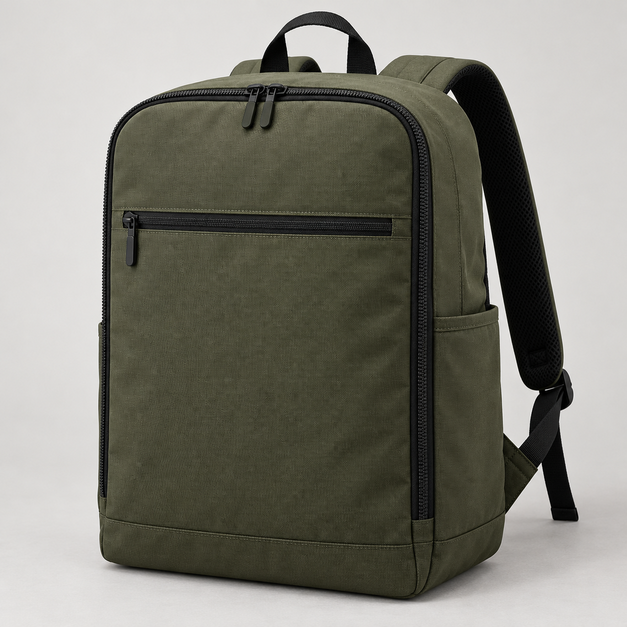
  • One shallow front zipper pocket and two flat side slip pockets
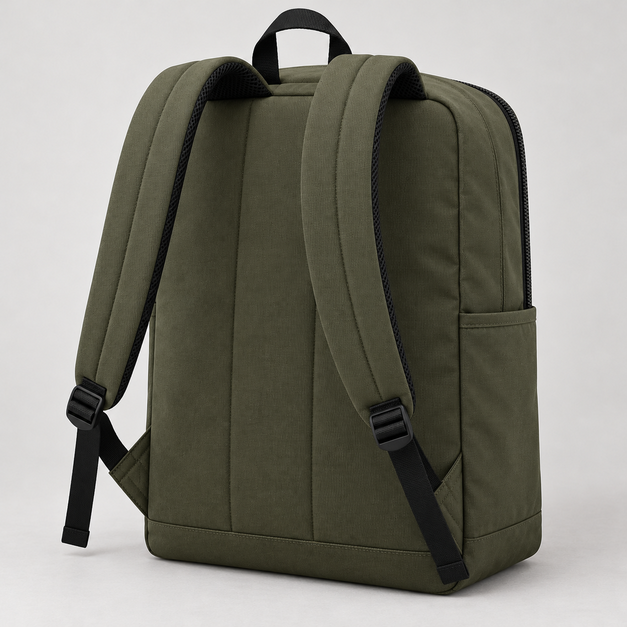
  • Two padded shoulder straps, short top handle and sewn textile base
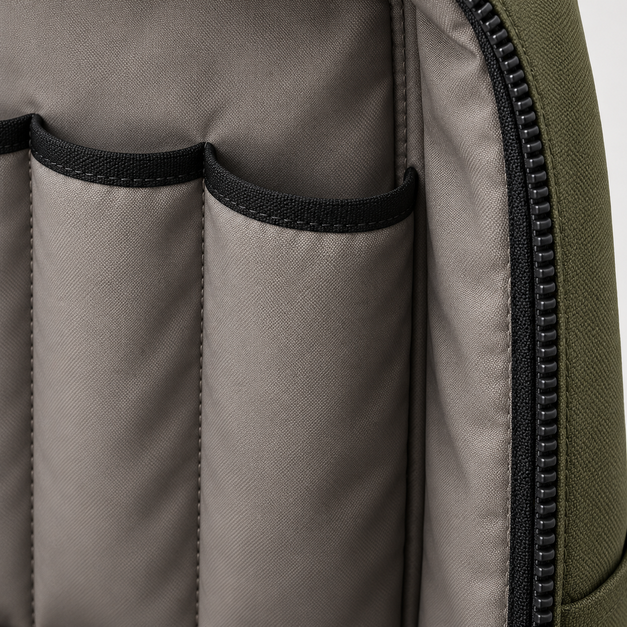
Service Panel Tool Backpack, sleeve join and shell zipper construction design reference

Sleeve mouth, dividing seam and zipper edge

The detail follows a bound sleeve mouth into its stitched dividing join, with the lining and shell zipper edge alongside it. Specify these layers together; their appearance does not establish retention or load performance.

  • Dark olive woven shell direction
  • Warm-gray lining and sleeve-panel direction
  • Black mesh, binding and webbing direction

Reference visuals, not production approval. Features, construction and any performance requirement must be confirmed on your sample.

MATERIAL BUILD

Tool backpack material decisions

Dark olive shell, warm-gray organizer and black trims define this reference direction. Choose actual swatches and components around the tool list, pocket construction and agreed evaluation brief.

Service Panel Tool Backpack, sleeve join and shell zipper construction design reference

Outer material

Reference directionDark olive woven shell direction

Compare shell texture, weight and seam behavior on physical swatches. Keep the sewn textile base in the sample brief and confirm any requested finish separately.

Lining & organizer

Reference directionWarm-gray lining and sleeve-panel direction

Agree sleeve layers, mouth binding, seam allowances and mesh-pocket material. Review how these choices change usable sleeve width and the clearance within the chamber.

Support & carrying attachments

Reference directionTo be defined with your sample

Resolve body support, shoulder-strap padding, webbing and handle attachments as a complete assembly. Confirm any load-test method, conditions and acceptance criteria separately.

These images are design references. They do not verify fiber composition, puncture resistance, electrical insulation, protective status or any tested performance.

How to choose bag fabrics and linings

Build the specification around your tool list.

For this tool-bag backpack direction, send item measurements, the preferred sleeve order and access priorities. The pictured arrangement is a starting point for development.

Customization options

  • Tool-envelope and sleeve sequence
  • Front-opening clearance and pocket depths
  • Shell, lining and support stack
  • Handle and harness attachment layout
  • Brand placement and packaging
Size & layout
Map the intended items to the six sleeves and two front mesh pockets. Include each item’s widest section, handle projection and any case; agree side-pocket contents and the shallow front-pocket depth.
Materials & trims
Review shell and organizer swatches, sleeve-mouth binding, zipper route and panel support together. Confirm composition, component selection and finished dimensions through the sample.
Brand & packaging
Provide logo artwork, placement dimensions, label wording and the packing brief. MOQ is 300 pieces per style per color; quantities across colors cannot be combined to meet it.

FUNCTIONAL DETAILS

Three decisions before pattern development

Give the organizer, opening and harness one shared set of contents and requirements. A tool list without dimensions leaves the sleeve map unresolved.

Service Panel Tool Backpack, rear and side carry-system design reference

Tool envelope and sleeve sequence

Record the widest and longest points of each intended item. Decide sleeve order and depth so handles remain accessible, then check the occupied envelope on the physical sample.

Buyer questionWhich exact items set the sleeve widths and exposed heights?

Front-panel clearance

Review the folded-open panel, the two mesh pockets and the path of the U-zip. Check access and closure with the intended contents; agree any retention evaluation separately.

Buyer questionCan the specified contents be accessed and the front closed without interference?

Handle and harness attachments

Set strap adjustment, padding and anchor positions around the intended carrying arrangement. Review the top handle and low webbing connections on the same assembled sample.

Buyer questionWhich carrying conditions and attachment checks belong in the approval brief?

This is one empty textile-carrier development form. Final fit, support and any performance requirements need a project specification and sample review.

OEM / ODM development process

From an approved direction to a packed custom bag order

This shared OEM and ODM bag development route shows how a buyer brief moves through sampling, material preparation, sewing, agreed production checkpoints and packing.

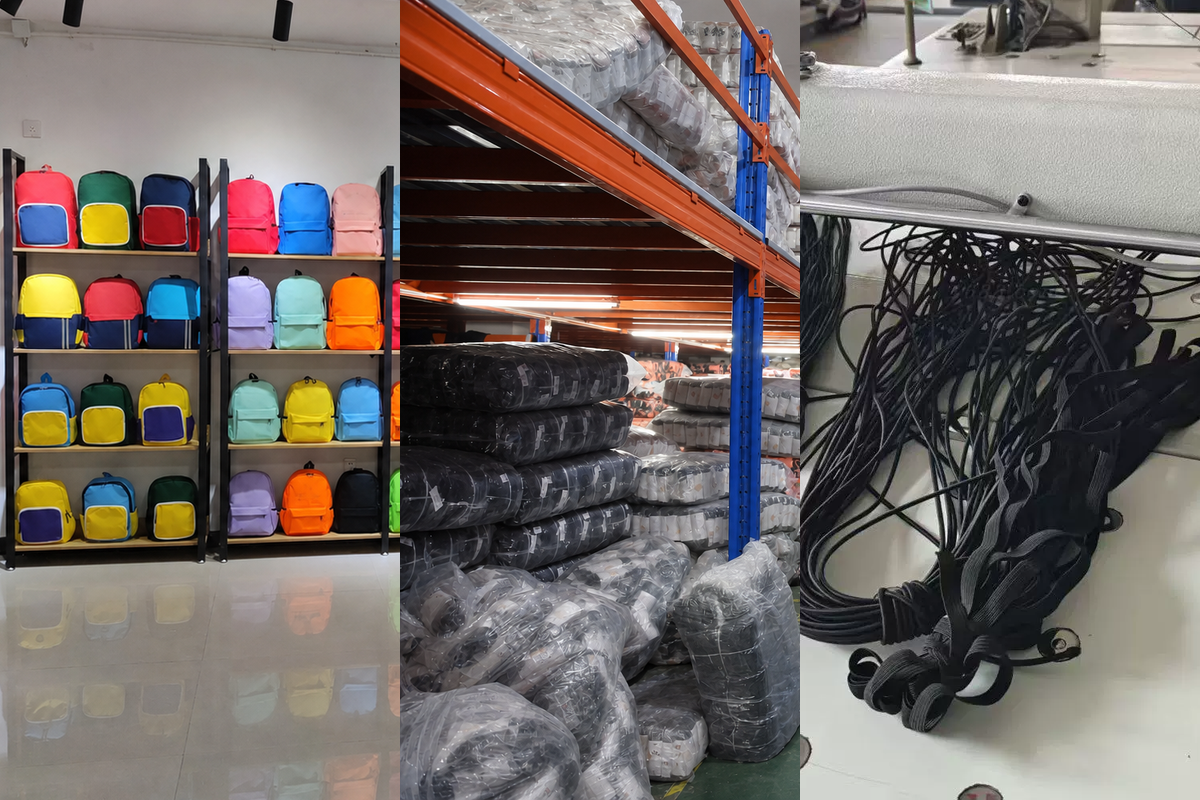
  1. Three-panel reference showing colorful bag samples, stored textile materials and black bag components
    Brief input reference

    Confirm the brief

    Define intended use, dimensions, organization, material direction, branding and packing requirements.

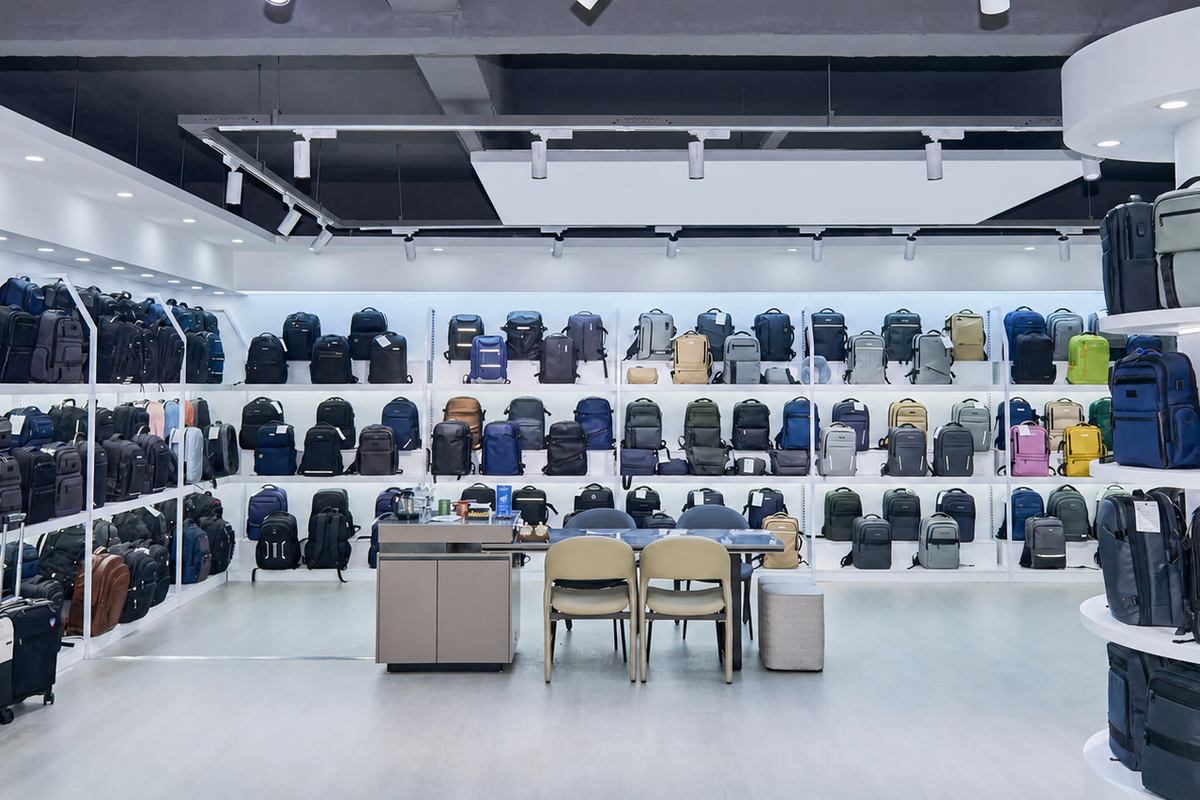
  2. Bag sample room with a central review table and physical backpack samples on display
    Sample review environment

    Develop and review the sample

    Turn the approved direction into a physical reference and record the revisions needed before production decisions close.

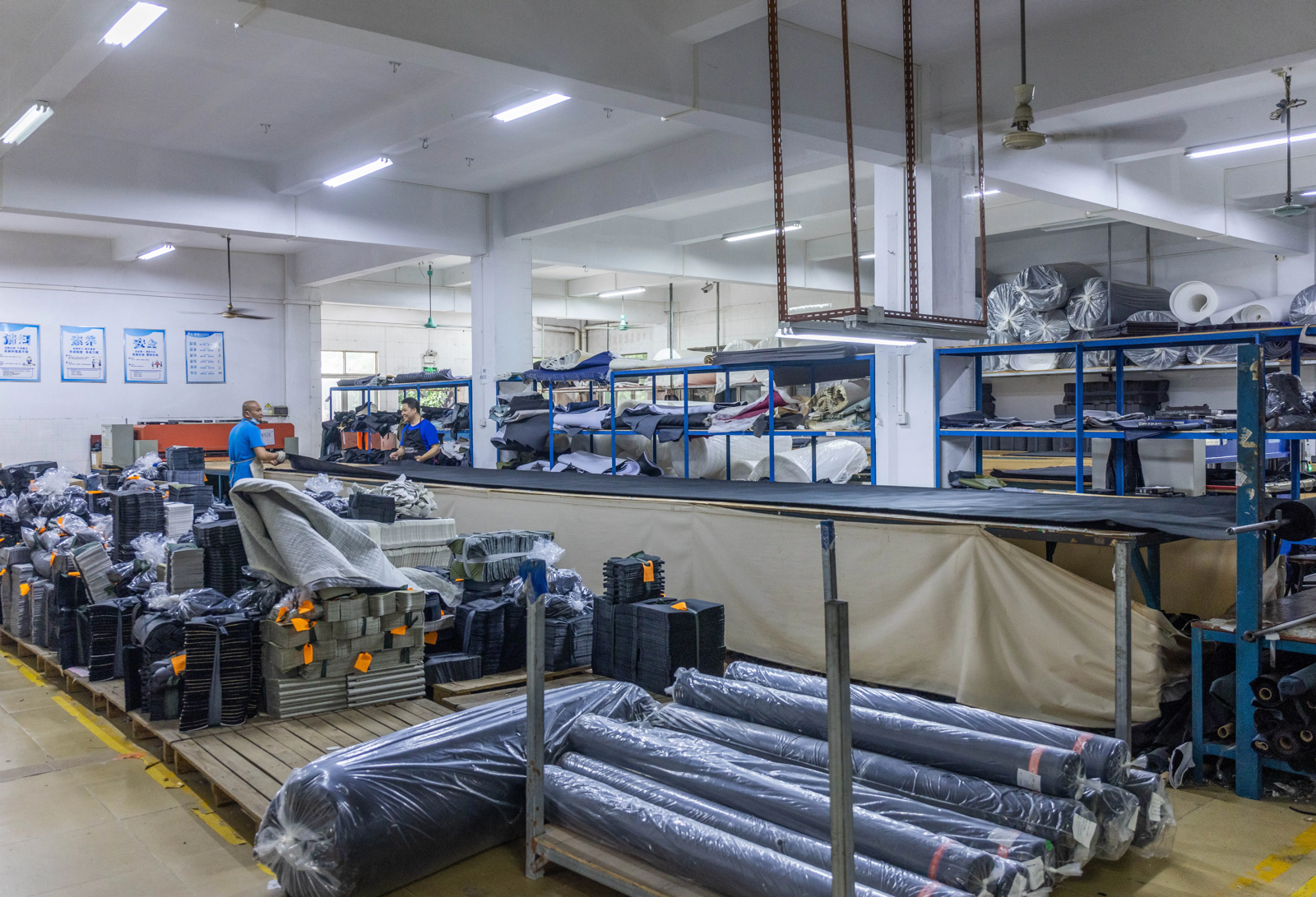
  3. Prepared bag materials and cut textile panels in the factory preparation area
    Material and panel preparation

    Prepare materials and panels

    Connect approved construction, components and color direction with material and panel preparation.

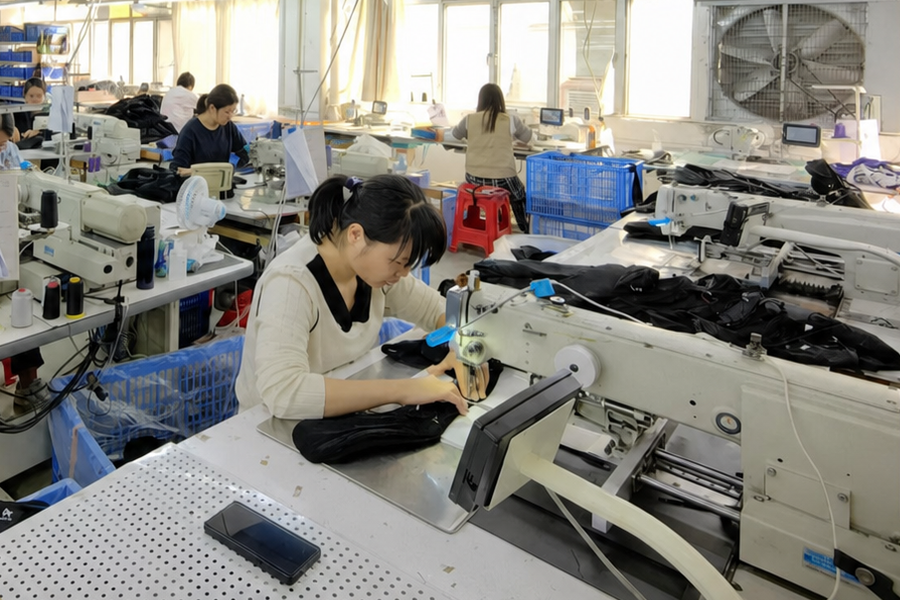
  4. Operator sewing black textile bag panels at an industrial workstation
    Bag sewing and assembly

    Sew and assemble

    Build the shell, lining, pockets, closures, handles and reinforcement in an agreed sequence.

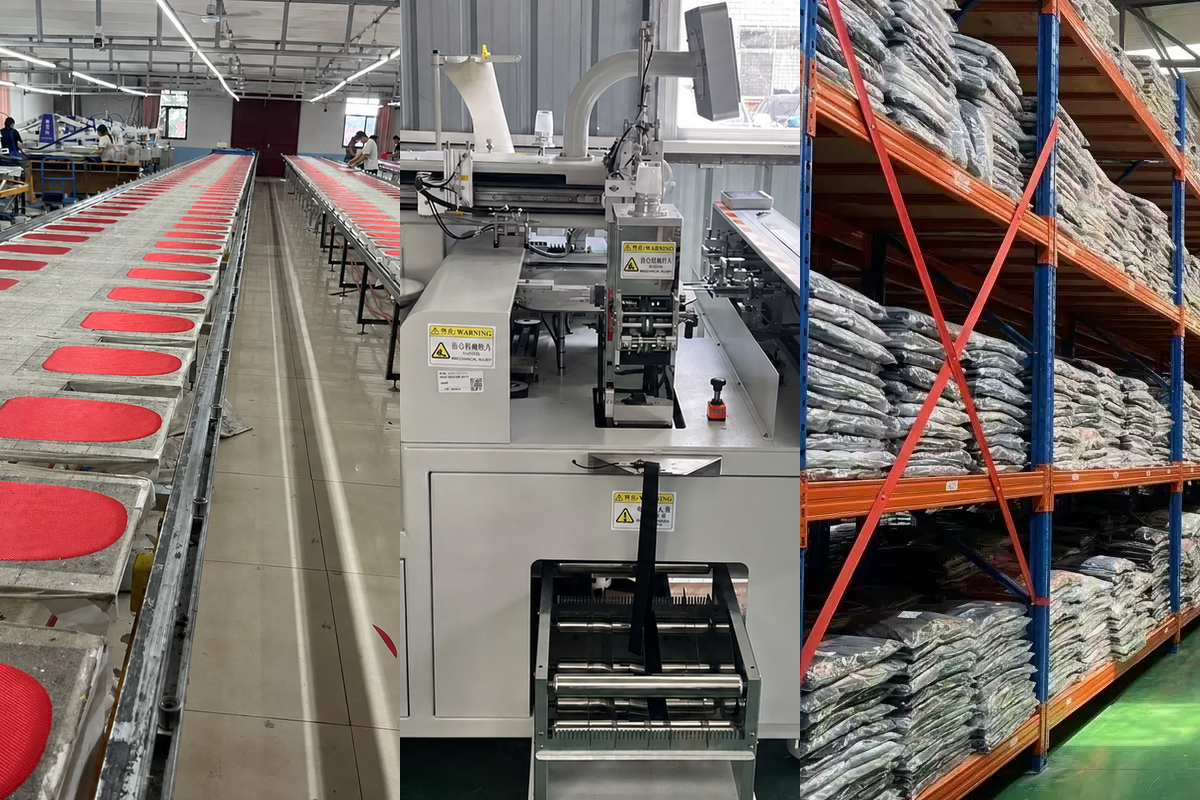
  5. Three-panel checkpoint reference showing prepared panels, component equipment and organized order staging
    Checkpoint reference

    Follow agreed checkpoints

    Review workmanship, dimensions, function, branding and order identity against the approved references for the programme.

  6. Staff preparing shipping cartons in an affiliated packing area
    Confirmed carton packing

    Pack and coordinate dispatch

    Apply the confirmed packing, labeling, carton and shipment instructions for the completed order.

The exact development, inspection and production plan is confirmed for each product, specification and buyer requirement, and no image proves every check used for every order.

How to review and approve a bag sample

Factory-backed bag manufacturing

Made-to-order bag production through an affiliated China factory

Forthright coordinates Truedrape bag projects with an affiliated textile bag factory in China under common ownership. Production follows the agreed project specification and approved sample.

Forthright handles commercial and development coordination. The trading company and affiliated factory are separate legal entities.

View the full Factory Tour
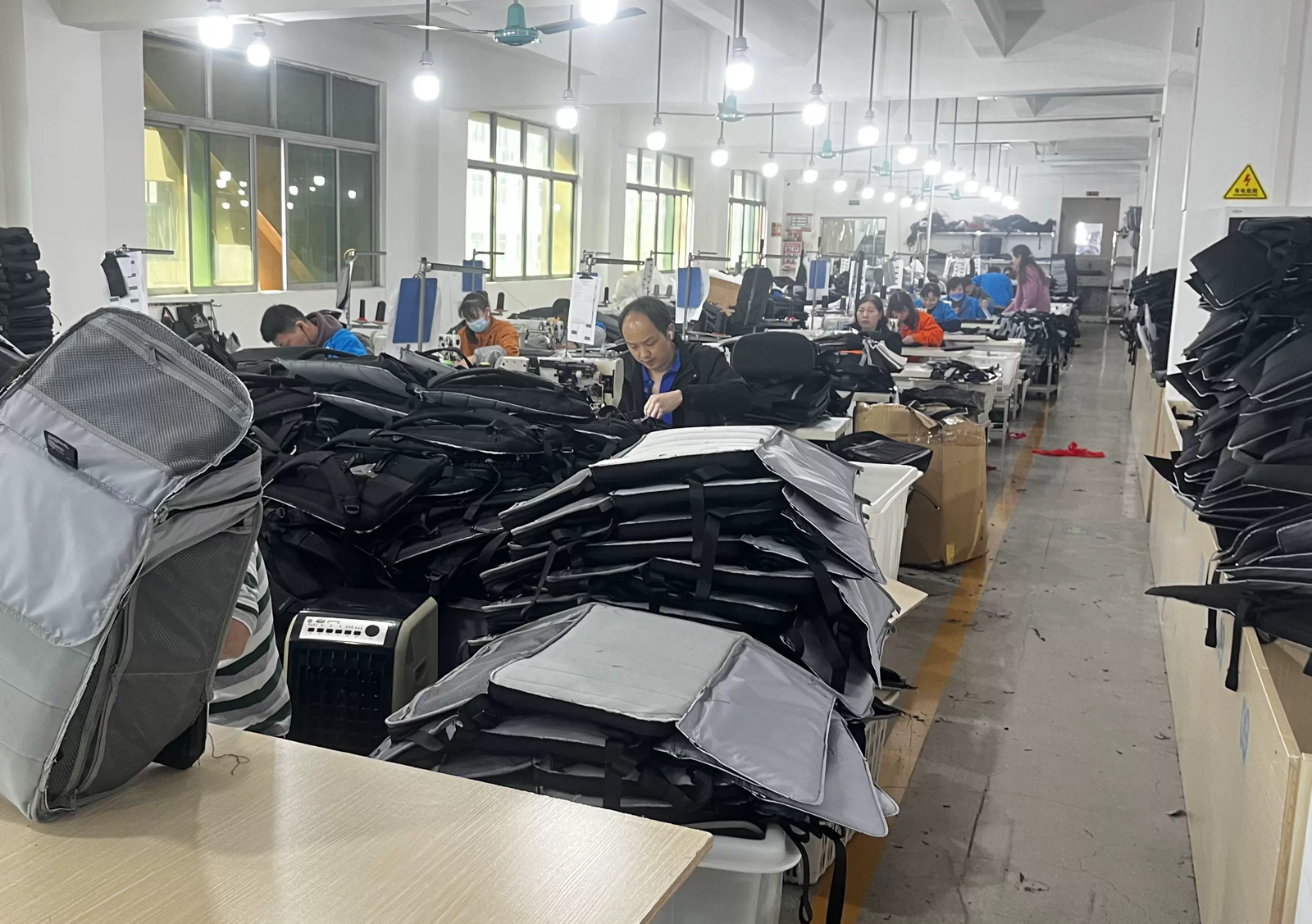
Active bag sewing workshop with operators assembling textile bag panels
Custom bag sewing and assembly

An active bag-production environment supporting made-to-order programmes.

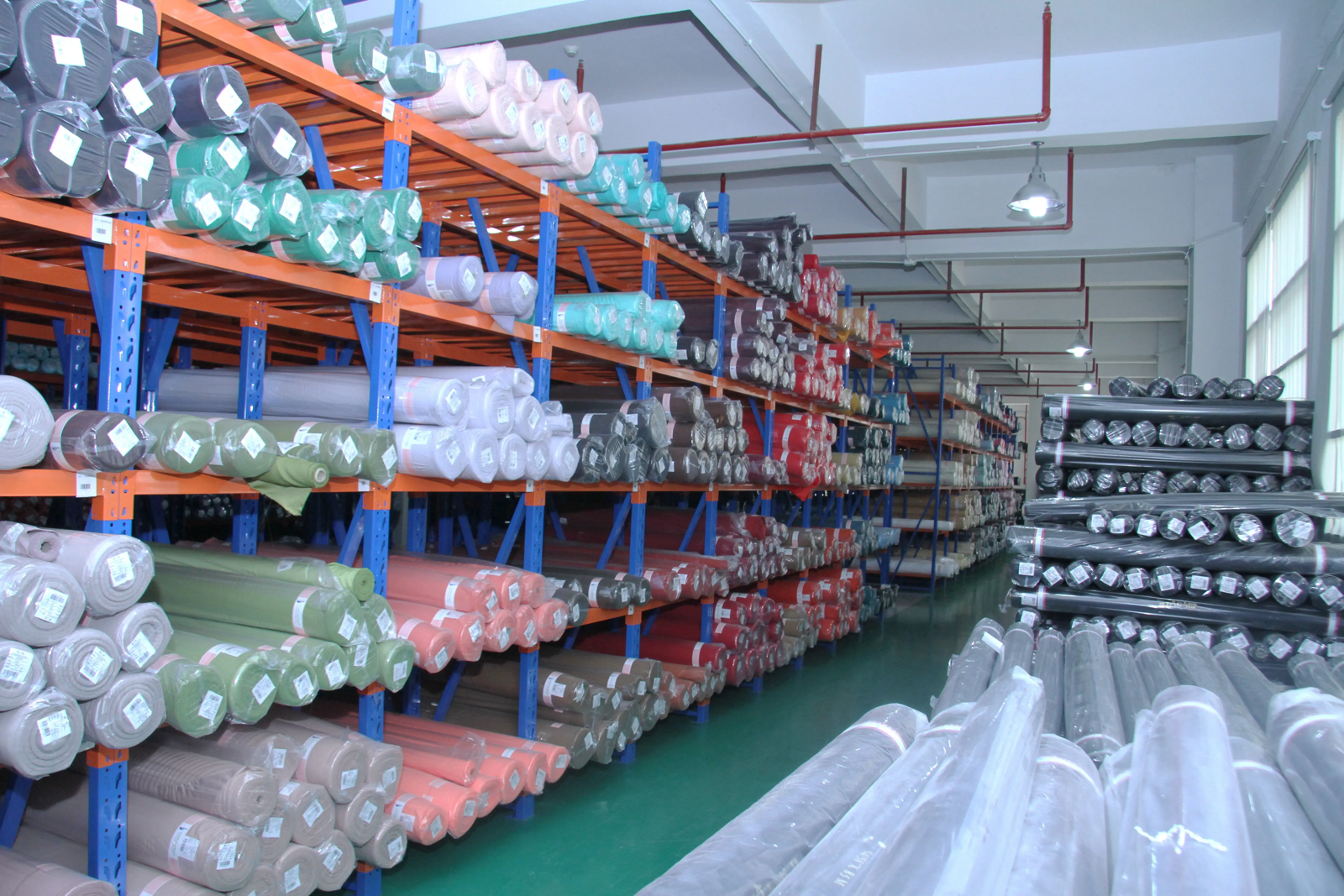
Organized rolls of bag fabric stored on industrial warehouse racking
Textile material organization

Material-roll storage connected with production preparation.

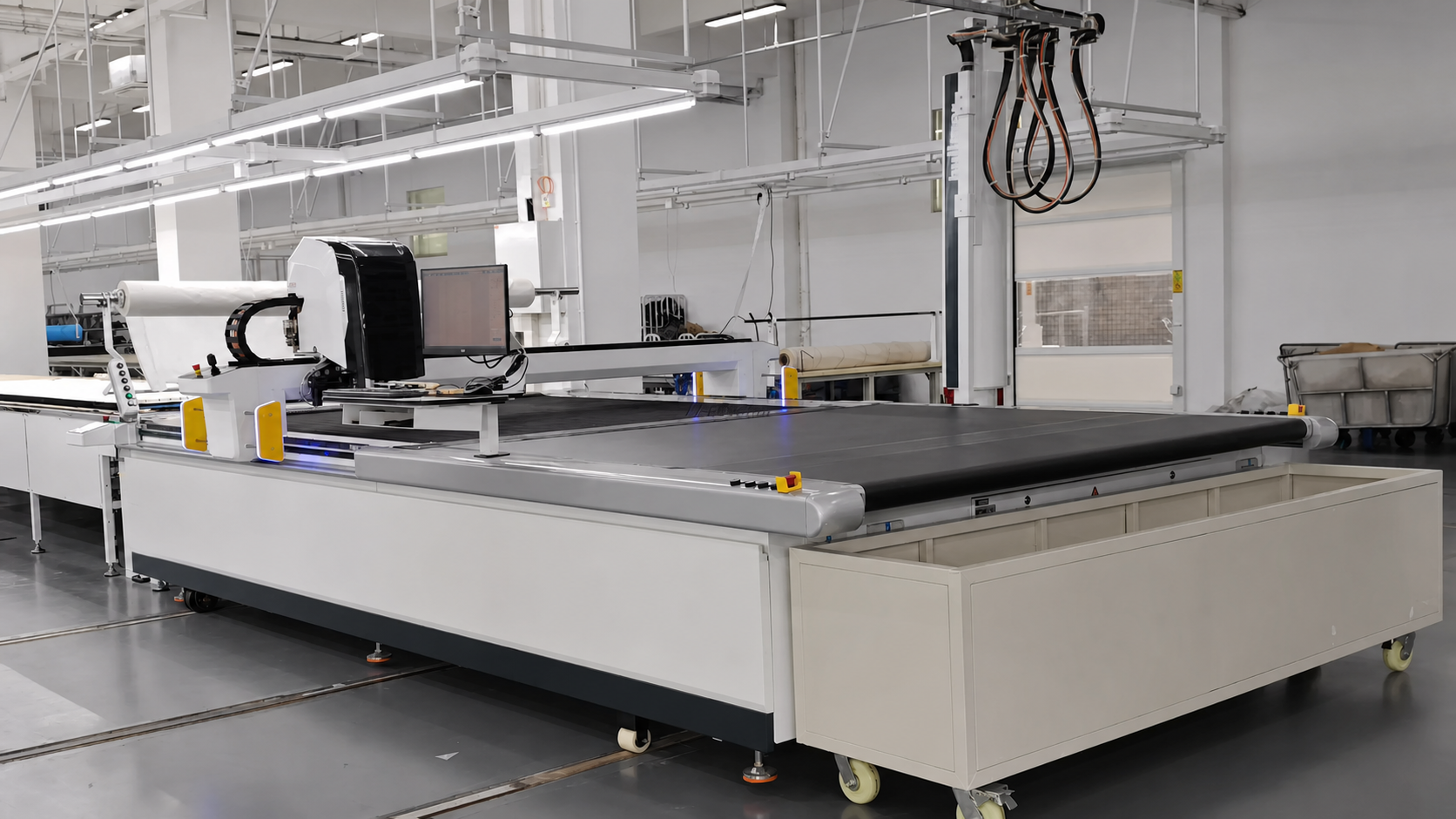
Digital textile cutting table in an affiliated support facility
Preparation support equipment

General textile equipment; routing is confirmed for each bag programme.

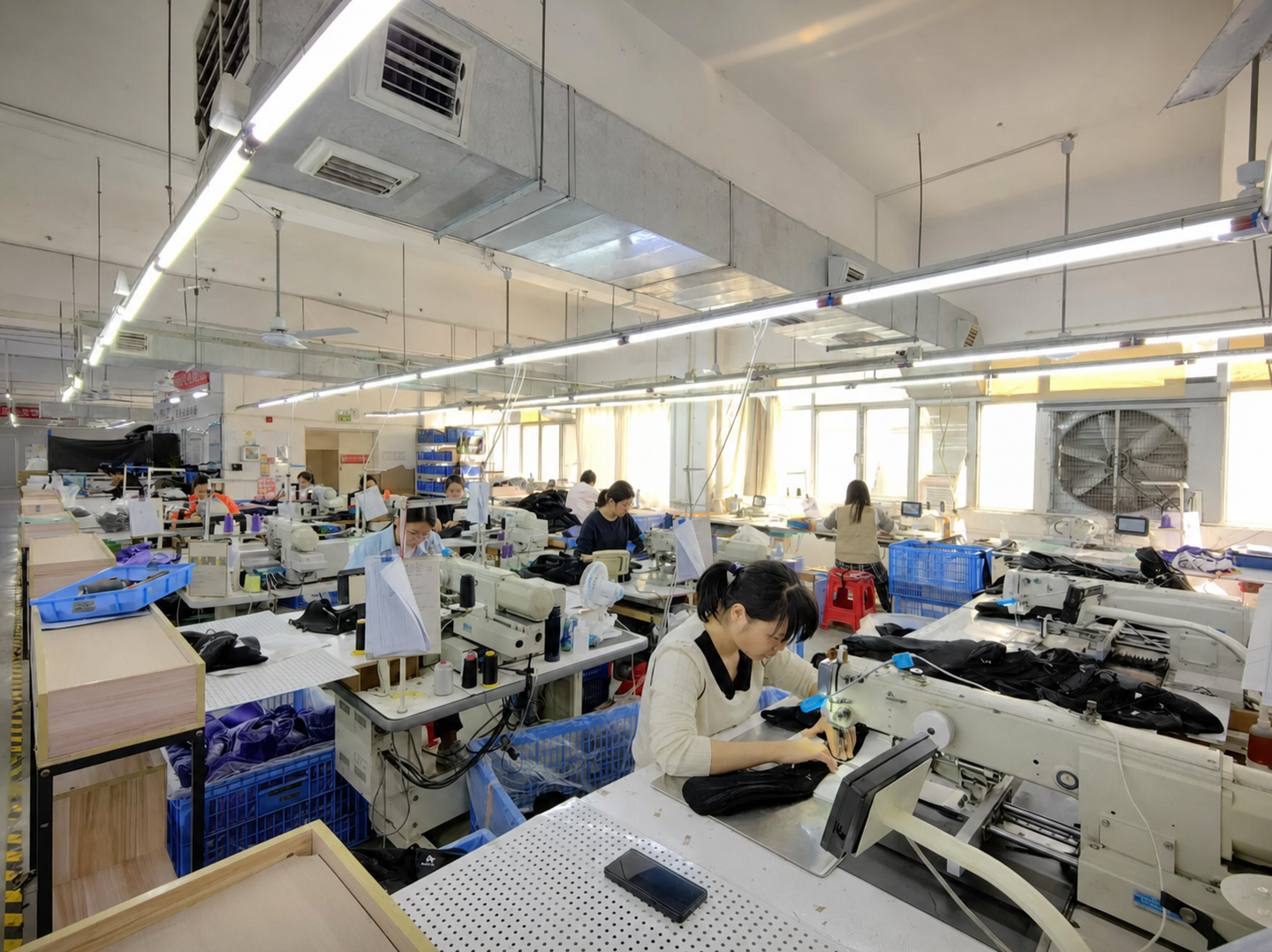
Operators working with bag panels at industrial sewing stations
OEM bag production environment

People, workstations and prepared parts in the bag-production environment.

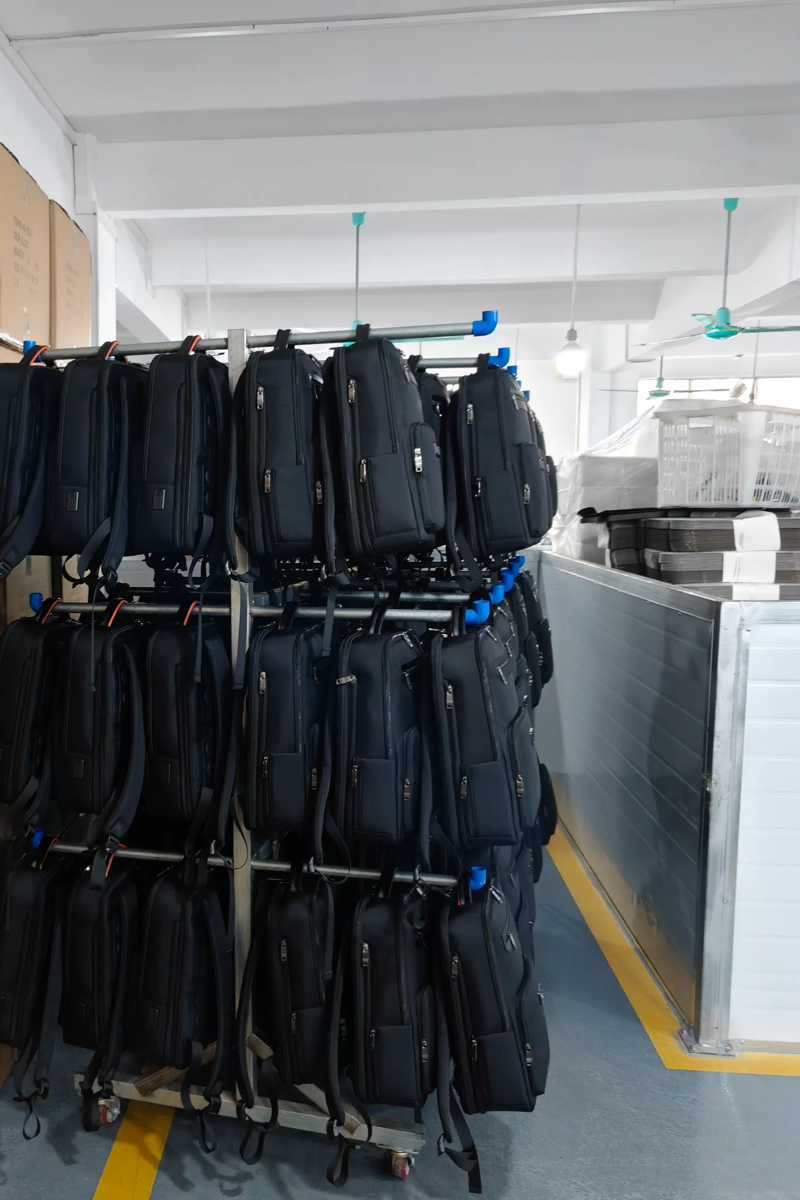
Rows of finished backpacks arranged on a mobile rack beside packing cartons
Finished-goods handling

Completed bags remain connected with the order before packing and dispatch.

Check the assembled sample with the intended items

Explore development capabilities
  1. Fit & opening

    Place the identified items in the six sleeves, close both mesh pockets and review front-panel movement. Check sleeve depth, hand clearance and zipper travel against the agreed layout.

  2. Construction & carry

    Inspect sleeve-mouth binding, dividing seams, textile-base seams, handle anchors and strap adjustment. Record any requested load or retention test and acceptance criteria separately; this reference supplies no rating.

  3. Specification & packing

    Confirm shell and lining samples, trim selection, finished measurements, artwork and packing. Consolidate revisions before approving the sample and production specification.