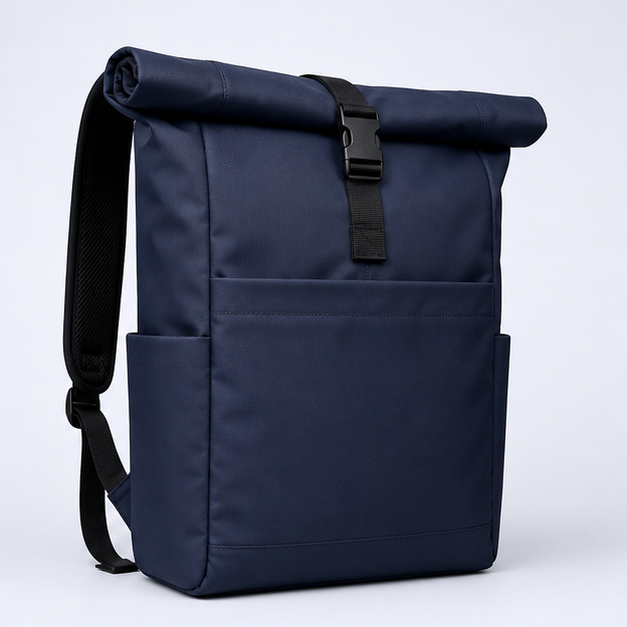
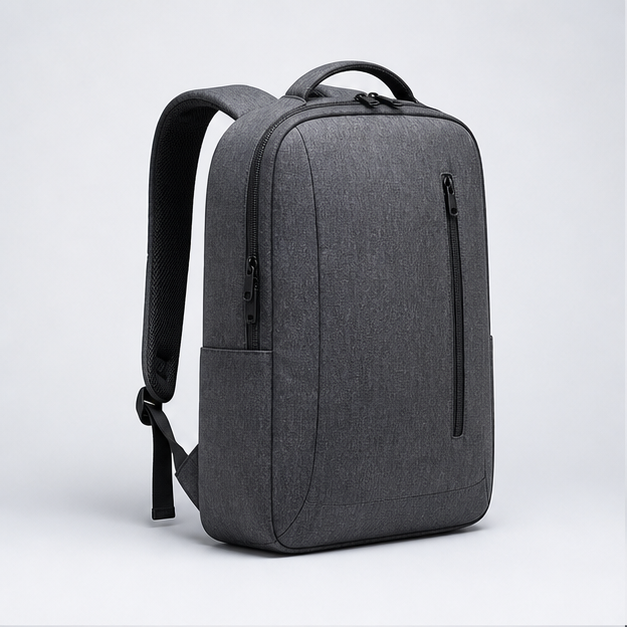
Made-to-order B2B production. Specifications are confirmed through sampling.
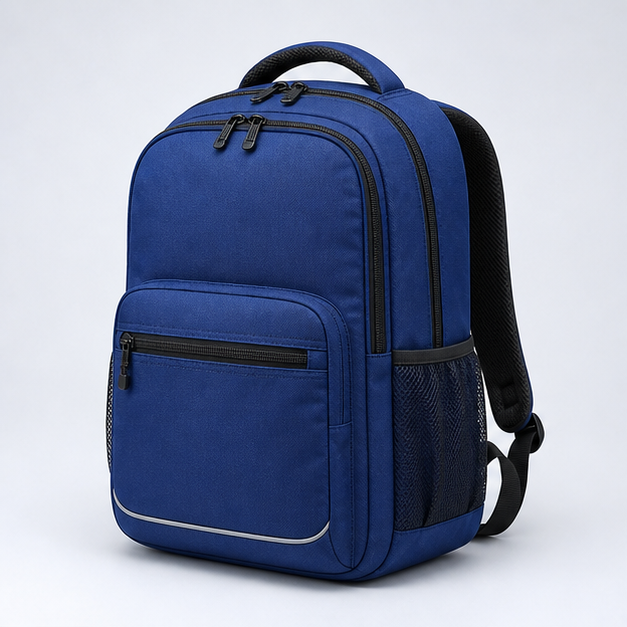
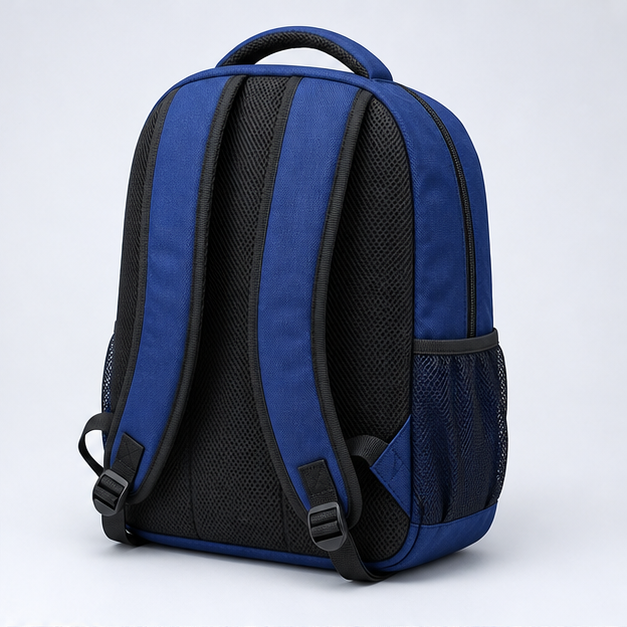
An OEM school backpack reference for campus and education ranges. Confirm the intended age group and specified load, then review laptop fit, pocket access and shoulder-strap adjustment.
Look closer at the construction
Use the interior and detail views to discuss your changes.
Internal organization
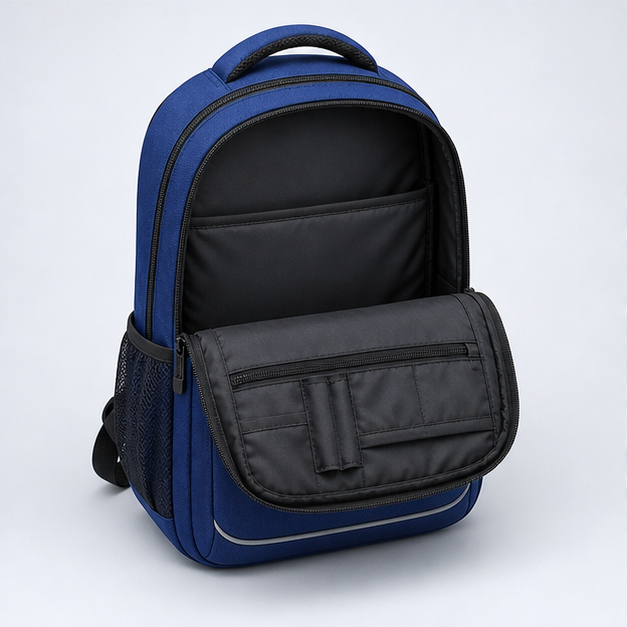
The school layout brings device storage and specified internal organization into one carry format. Use the interior view to discuss sleeve position and how frequently used items are reached.
Padded laptop sleeve
Front organizer
Bottle pockets
Fabric and finishing
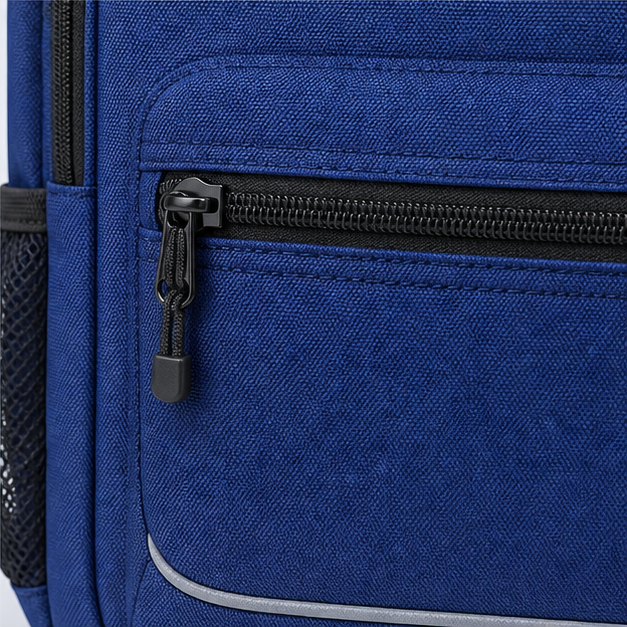
Discuss shell texture, lining feel, padding and zipper finish together. The close-up is a visual reference; exact material weight and construction are agreed in the specification.
600D polyester
210D lining
Reference visuals, not production approval. Features, construction and any performance requirement must be confirmed on your sample.
MATERIAL BUILD
School backpack materials
The listed materials are the starting direction for Campus Core Backpack. Review the shell, inside finish and support together before approving the production specification.
Outer material
Reference direction600D polyester
Review the 600D polyester reference with the intended school color palette. A backing change should be checked at the base and around the bottle-pocket seams.
Lining & inner finish
Reference direction210D lining
The 210D lining direction needs to work with books and devices. Agree the lining shade, binding finish and whether the device sleeve needs a softer contact surface.
Support & structure
Reference directionTo be defined with your sample
Decide padding coverage at the device sleeve, back panel and straps before approving the pattern. Extra padding reduces usable internal space.
The close-up belongs to this design reference. It does not verify fiber composition, coating, recycled content or performance.
Tell us what should stay, what should change and which details matter most to your program. Options below are discussion points, not a fixed configuration.
Customization options
Fabric and lining
Pocket layout
Embroidery or print
Packaging
Size & layout
Send the age group, largest book or folder, device dimensions and bottle diameter. Mark the organizer pockets your school program actually needs.
Materials & trims
The reference materials are 600d polyester and 210d lining. Share the feel, weight, colors and trim finishes you want to keep or replace; material selection is confirmed before the sample is approved.
Brand & packaging
Send your logo artwork, preferred application, placement dimensions and packaging brief. Confirm colors and decoration on the sample before approving bulk production.
FUNCTIONAL DETAILS
School backpack design decisions
Use these checks to turn the Campus Core Backpack reference into a clear development brief.
01
Laptop sleeve clearance
Measure the device with any protective case. Set the sleeve opening and depth independently of the outer backpack dimensions.
Buyer questionWhat is the largest device that must fit?
02
Bottle pockets under load
A tighter pocket can help retain a bottle but makes insertion harder. Review the opening when books are already inside the bag.
Buyer questionShould the bottle be reachable while the bag is worn?
03
Frequently accessed organizer
Place stationery and small essentials where they can be reached without unpacking the main section. Confirm that pocket contents do not press into the device area.
Buyer questionWhich items need their own pocket?
Discuss changes before the pattern is finalized. The pictured configuration is not the final specification for your order.
OEM / ODM development process
From an approved direction to a packed custom bag order
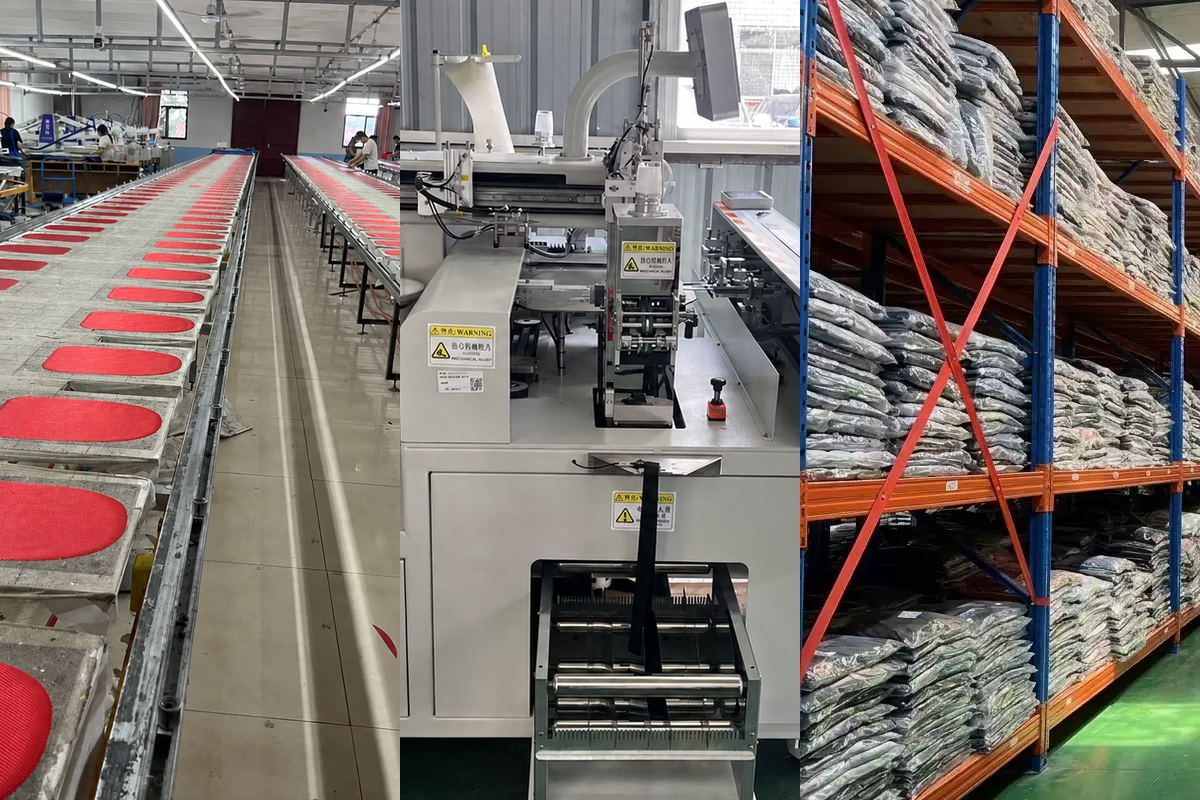
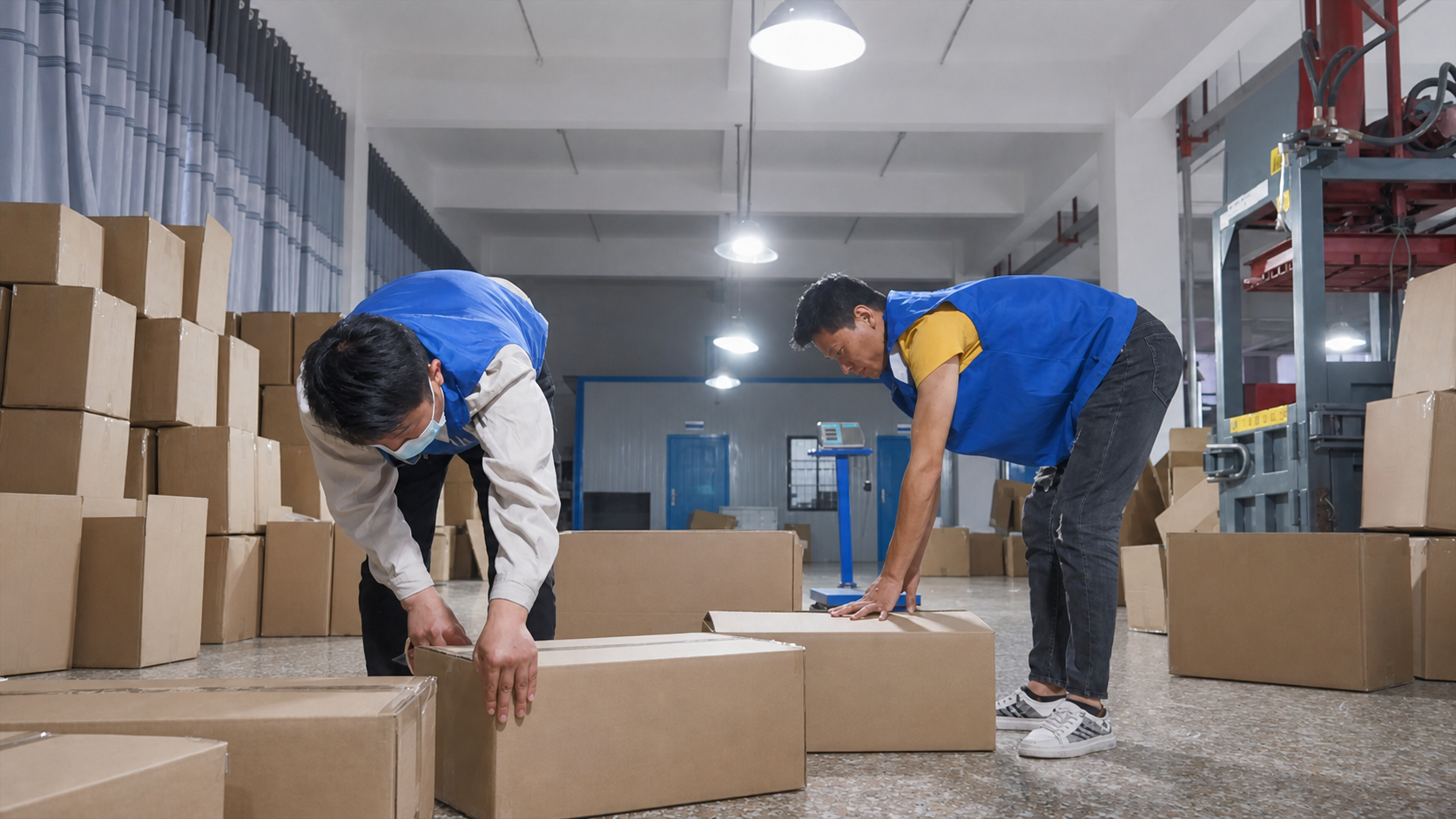
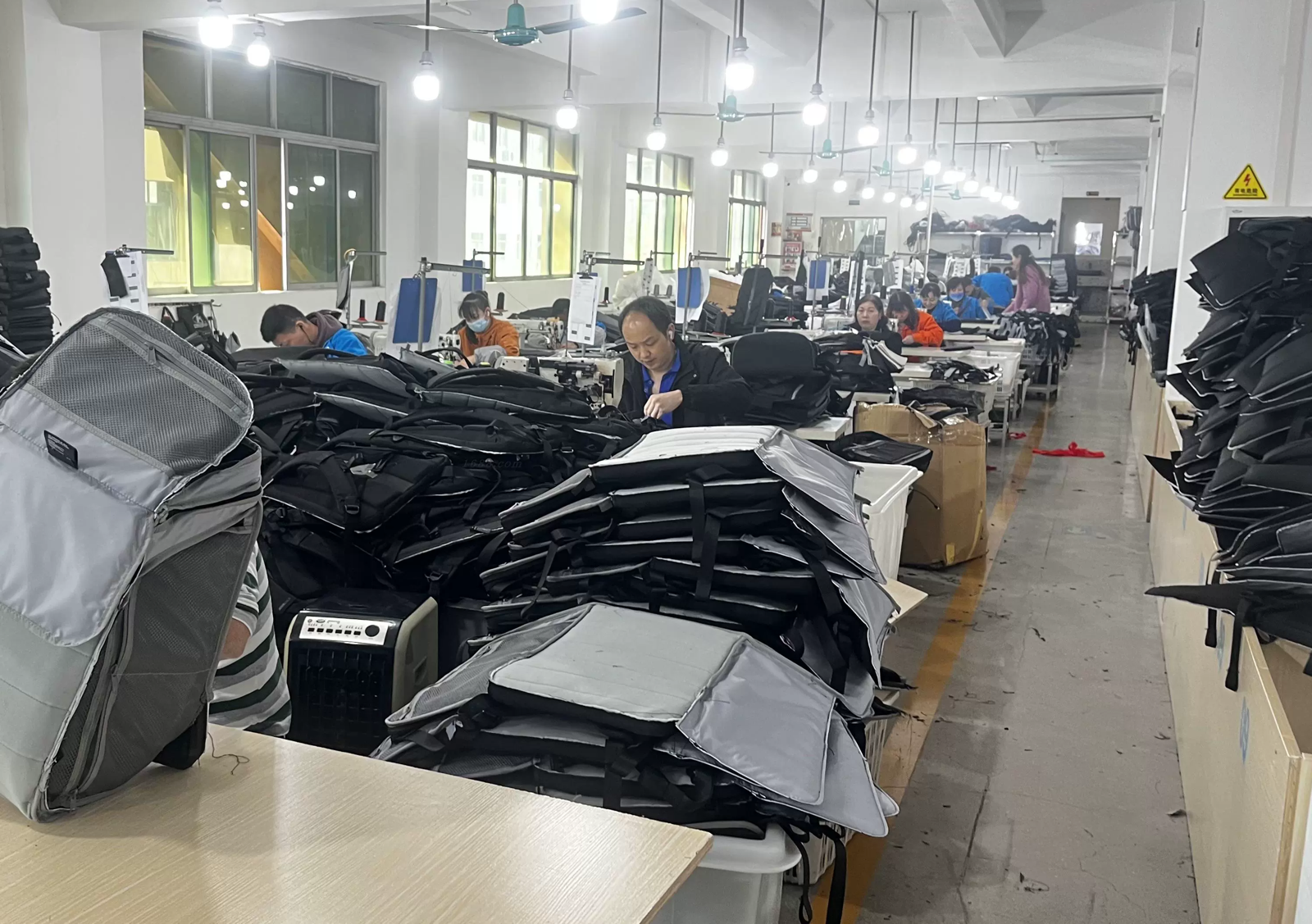
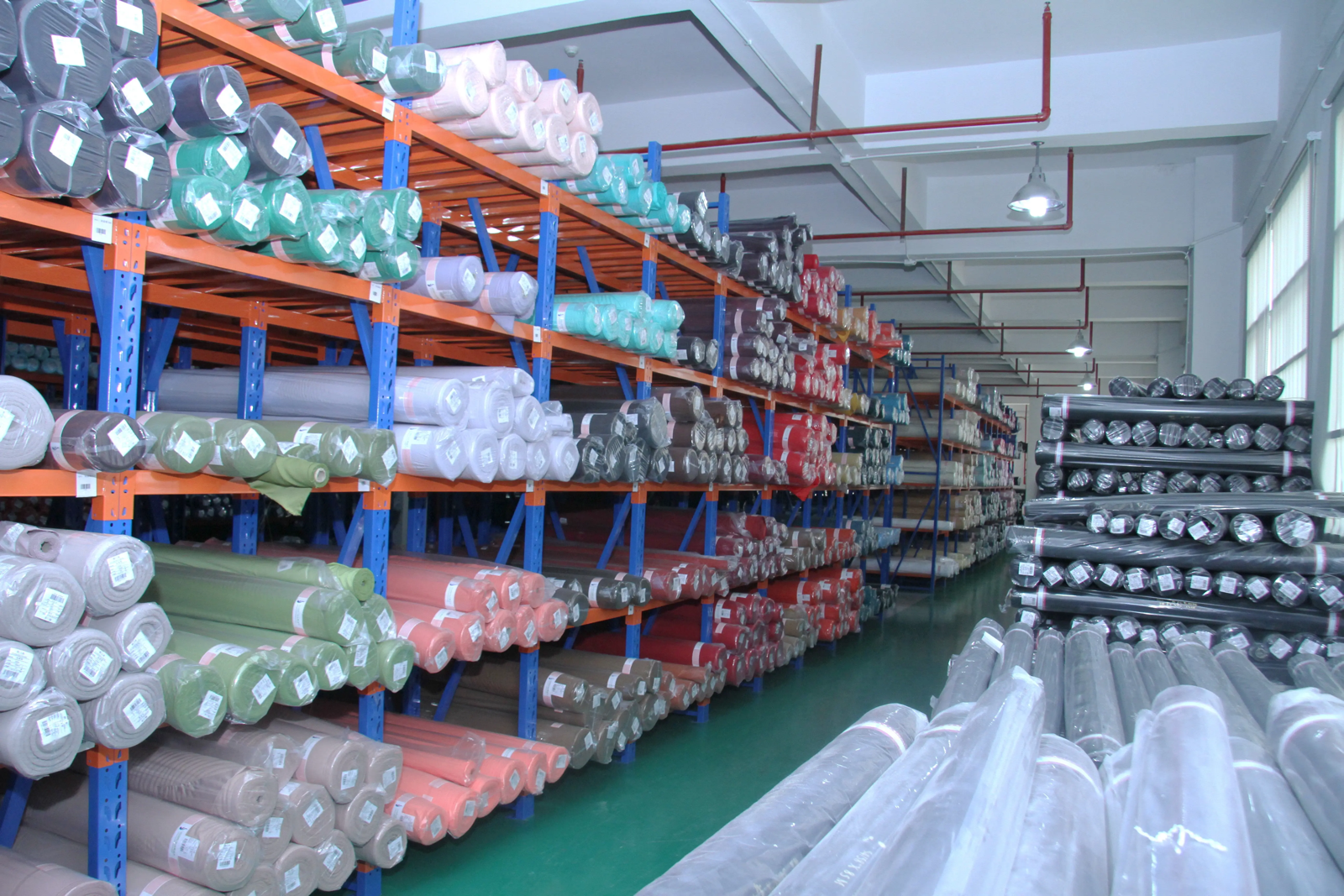
This shared OEM and ODM bag development route shows how a buyer brief moves through sampling, material preparation, sewing, agreed production checkpoints and packing.
Brief input reference
01
Confirm the brief
Define intended use, dimensions, organization, material direction, branding and packing requirements.
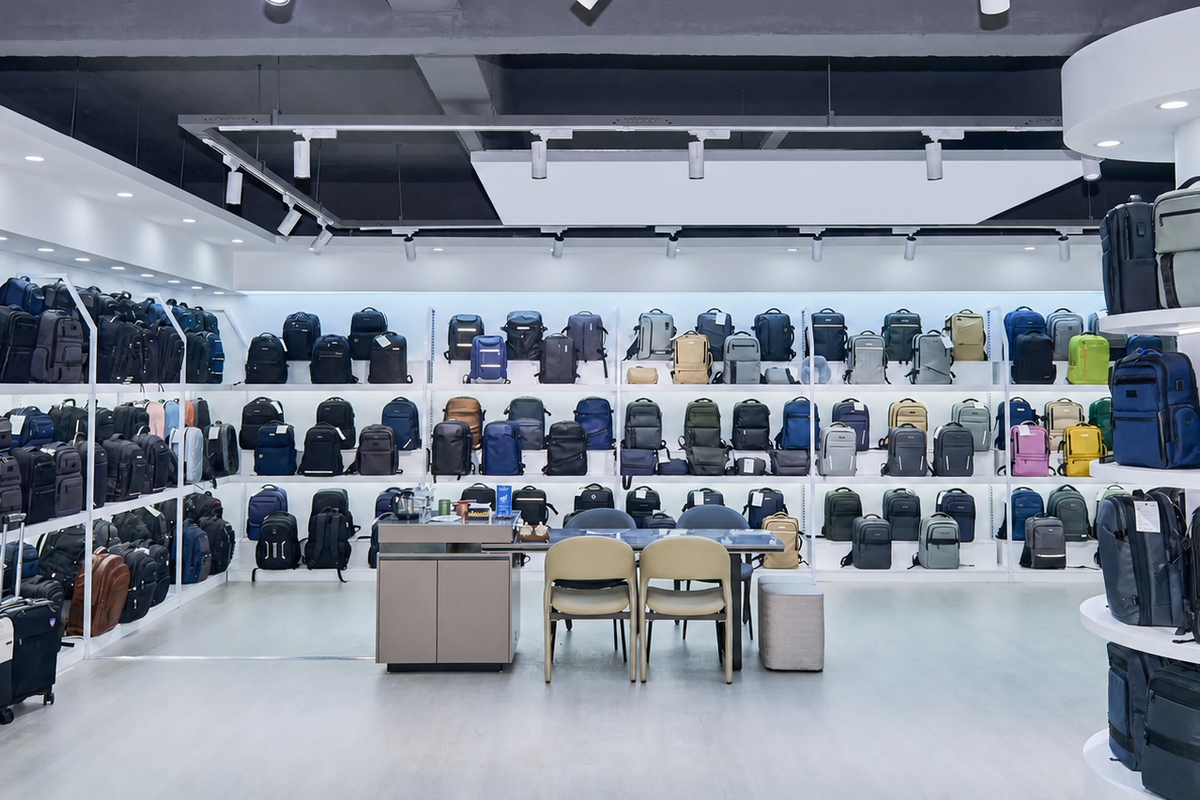
Sample review environment
02
Develop and review the sample
Turn the approved direction into a physical reference and record the revisions needed before production decisions close.
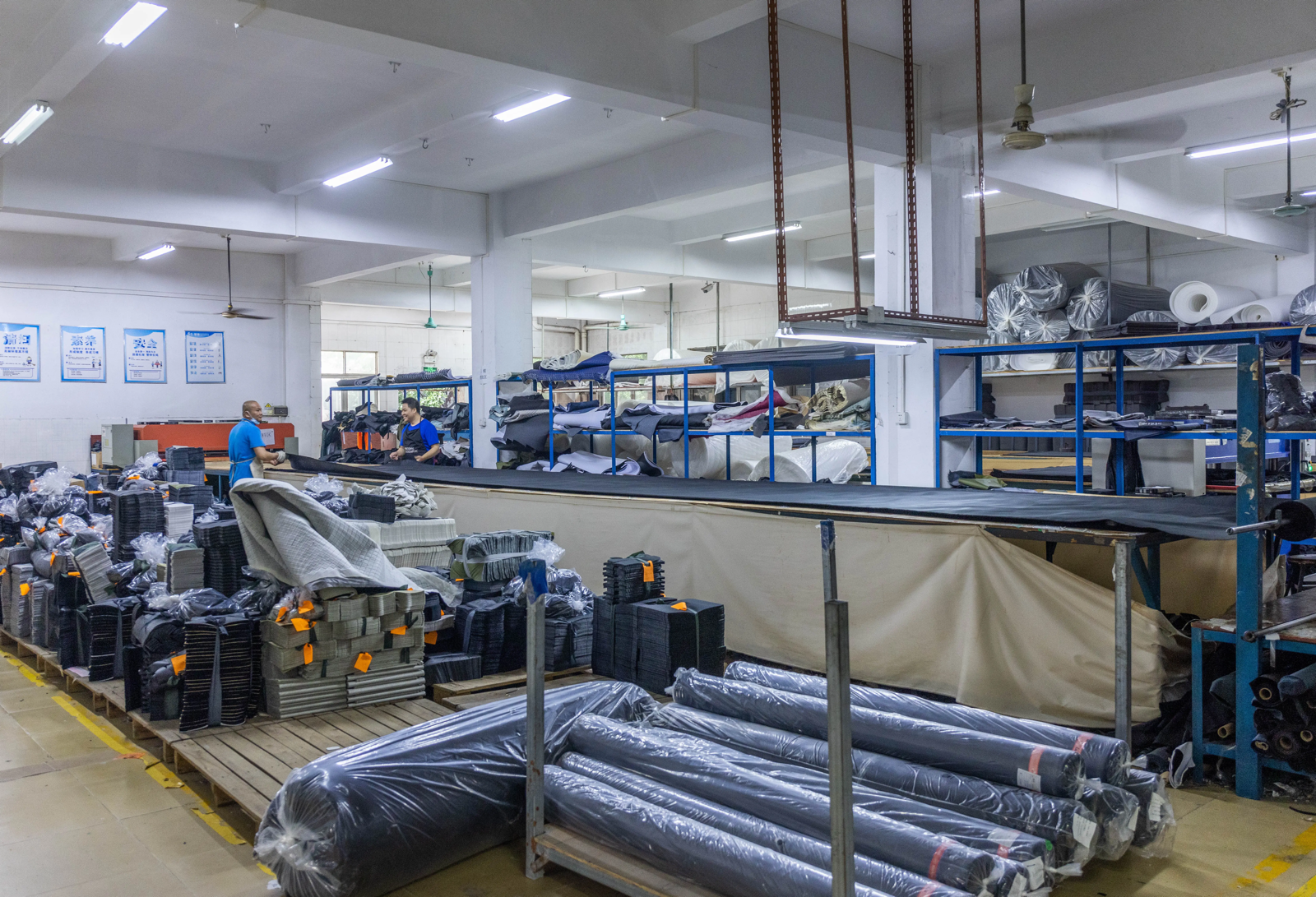
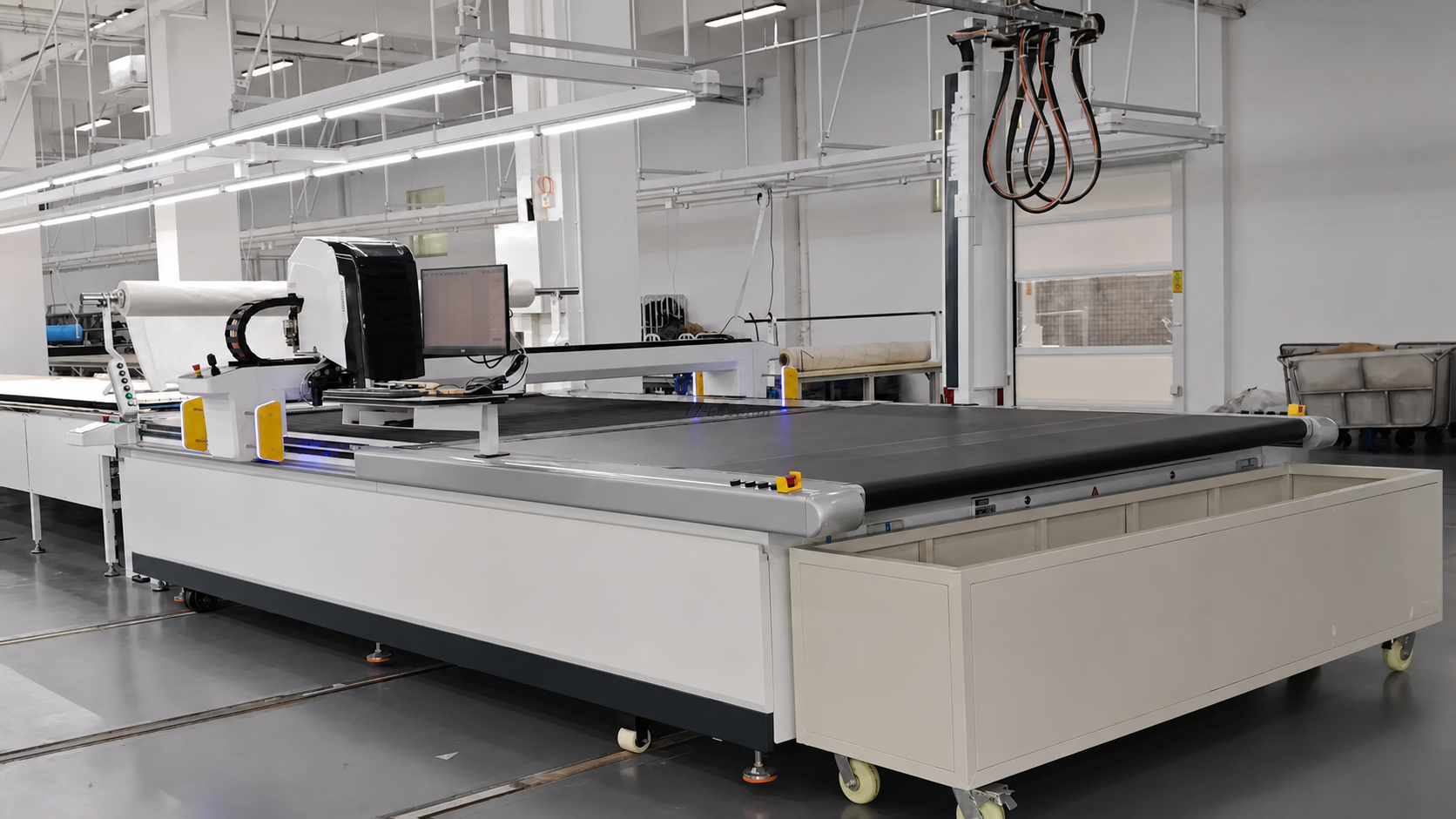
Material and panel preparation
03
Prepare materials and panels
Connect approved construction, components and color direction with material and panel preparation.
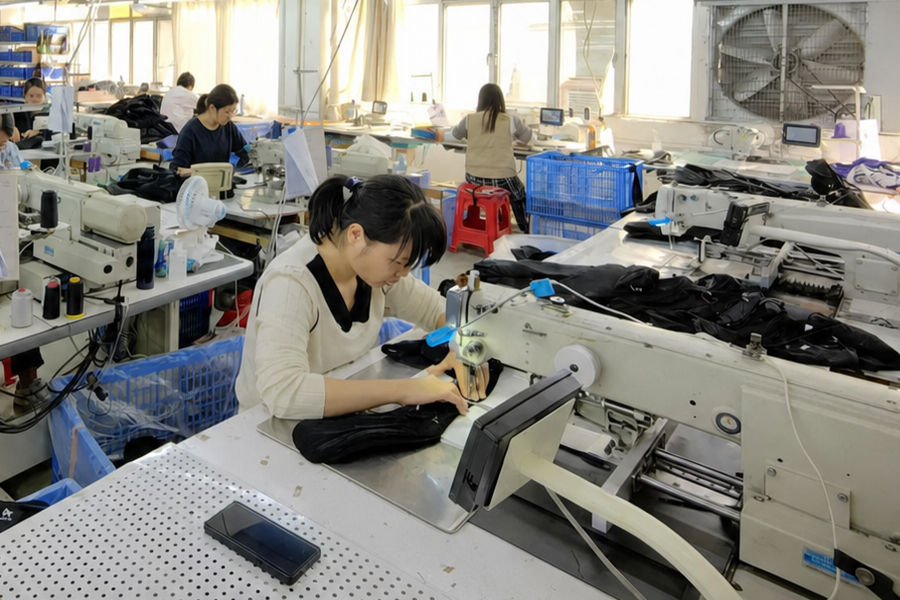
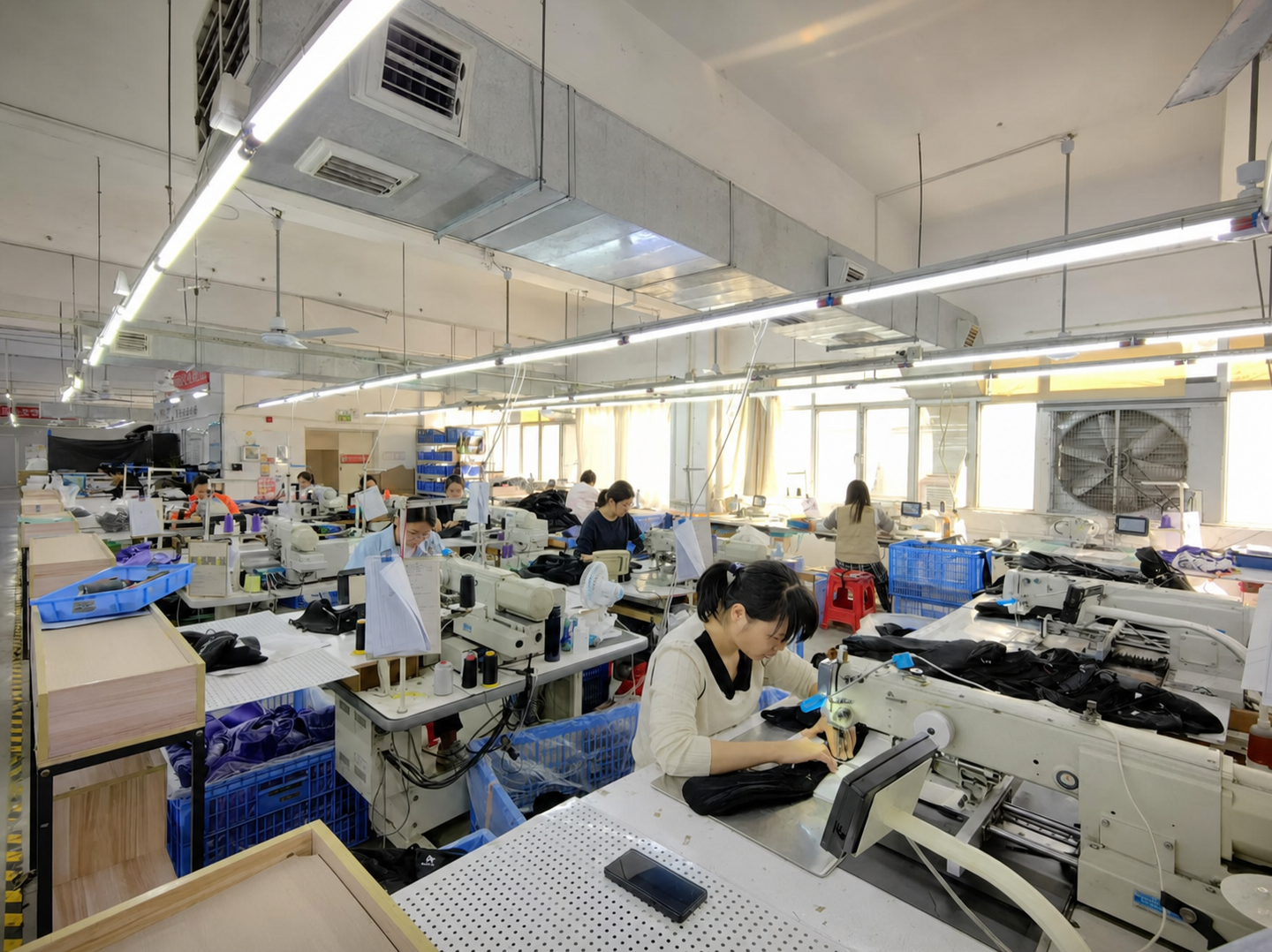
Bag sewing and assembly
04
Sew and assemble
Build the shell, lining, pockets, closures, handles and reinforcement in an agreed sequence.
Checkpoint reference
05
Follow agreed checkpoints
Review workmanship, dimensions, function, branding and order identity against the approved references for the programme.
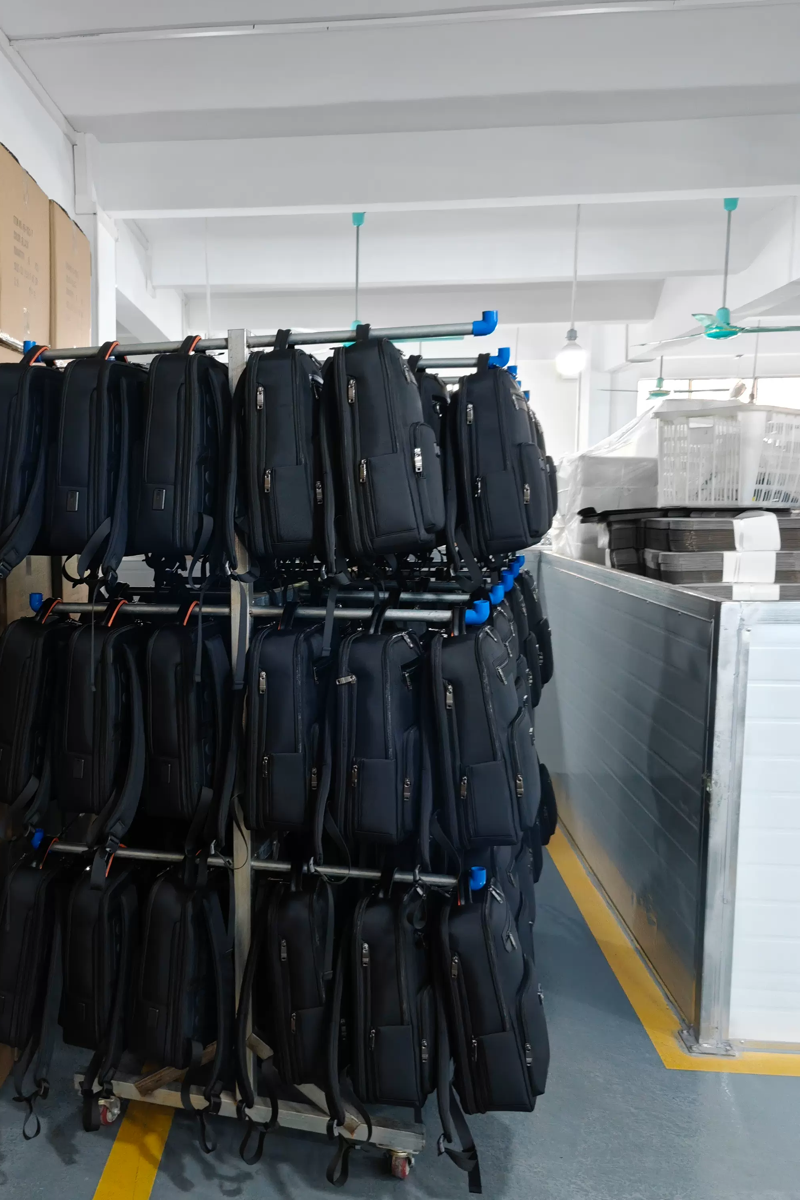
Confirmed carton packing
06
Pack and coordinate dispatch
Apply the confirmed packing, labeling, carton and shipment instructions for the completed order.
The exact development, inspection and production plan is confirmed for each product, specification and buyer requirement, and no image proves every check used for every order.
Made-to-order bag production through an affiliated China factory
Forthright coordinates Truedrape bag projects with an affiliated textile bag factory in China under common ownership. Production follows the agreed project specification and approved sample.
Forthright handles commercial and development coordination. The trading company and affiliated factory are separate legal entities.