Chat on WhatsApp
Backpacks

Diaper Bag Manufacturer: Careline OEM Development

Careline Split-Compartment Diaper Backpack · OEM/ODM adult-carried care-bag development for baby-care accessory brands, importers and procurement teams

Design reference for OEM/ODM development; final construction, materials and fit are confirmed through sampling.

Reference size
Specified to the project brief and confirmed during sampling
MOQ
300 pieces per style per color
Sampling
Confirmed after the development brief and materials are agreed
Bulk production
Confirmed after sample approval and order review
Discuss OEM development Compare backpack formats

Made-to-order B2B development. Final specifications and timing are confirmed for the project.

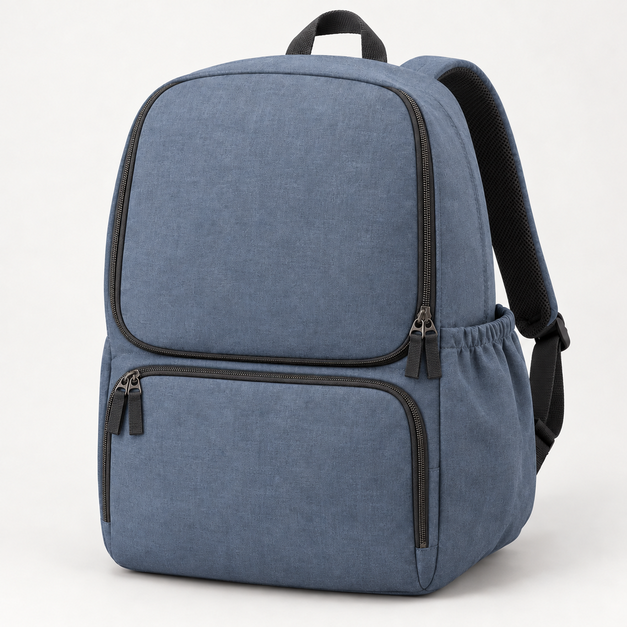
Careline is an adult-carried backpack direction with care-item organization above and a separately opened textile compartment below. Two front zipper paths and a fixed horizontal shelf define the chamber split. For a diaper bag manufacturer enquiry, send the actual packed set and identify which items need independent access. The images illustrate an OEM/ODM design reference; the project needs its own feasibility review and physical sample.

Two entrances, one fixed chamber split

The upper opening, lower opening and shelf must be resolved together. Use these views to discuss the construction before setting the pattern.

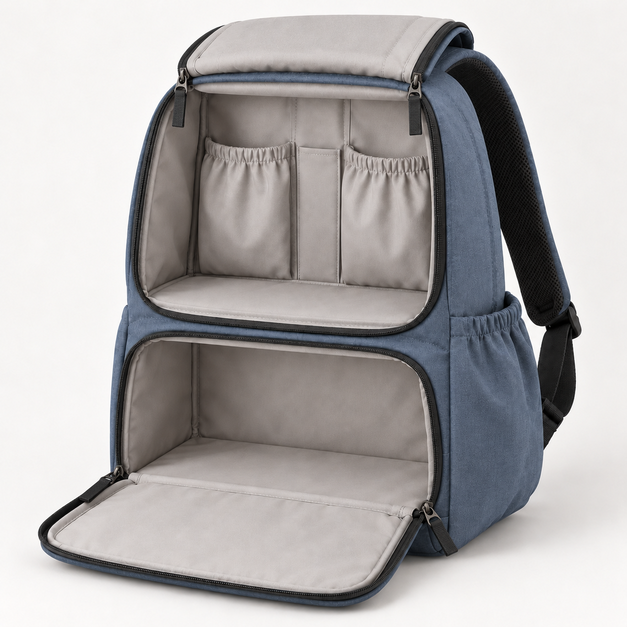
Careline Split-Compartment Diaper Backpack open upper and lower compartments design reference

Independent upper and lower access

The upper front hatch folds over the top; the lower hatch folds forward from its base. The bound shelf edge remains between their entrances. Two gathered sleeves and a central flat slip section sit in the upper chamber; the lower chamber is plain. Specify the actual contents before fixing sleeve openings and the divider position.

  • Independent upper and lower front zip openings
  • Fixed horizontal shelf between the two compartments
  • Two gathered upper interior sleeves and a central flat slip section
  • Top handle, padded backpack straps and gathered side pockets
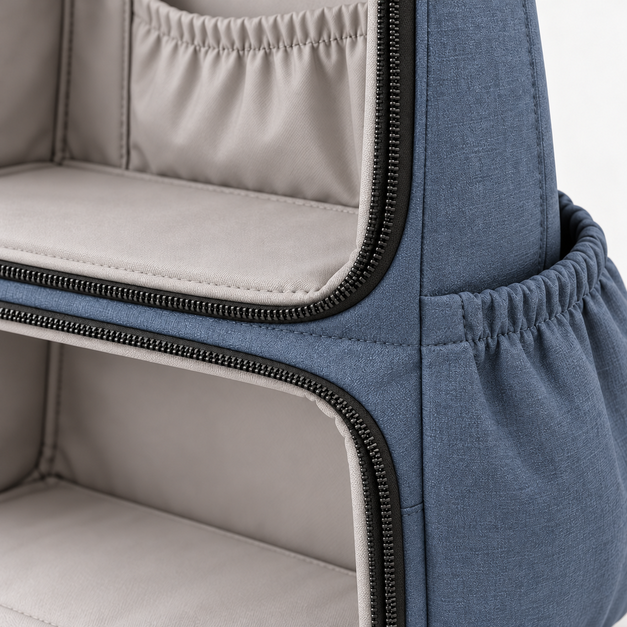
Careline Split-Compartment Diaper Backpack fixed-divider and zipper construction design reference

Shelf edge and zipper junction

The close view connects the fixed shelf, side seam, lining and two separate zipper tracks. Review seam capture and zipper clearance with the final layer stack. The shelf is a sewn divider in this direction, rather than a removable insert.

  • Muted blue-gray woven shell direction
  • Warm light-gray lining and fixed-divider direction
  • Charcoal zipper, webbing and mesh direction

Reference visuals, not production approval. Features, construction and any performance requirement must be confirmed on your sample.

MATERIAL BUILD

Specify the shell, lining and shelf together

The blue-gray exterior and light interior describe the visual direction. Final materials should be selected around the two openings, gathered pockets and assembled chamber dimensions.

Careline Split-Compartment Diaper Backpack fixed-divider and zipper construction design reference

Outer material

Reference directionMuted blue-gray woven shell direction

Confirm the textile, finish and color reference for the shell and gathered side pockets. Review the selected fabric around both hatch corners on the physical sample.

Lining and pocketing

Reference directionWarm light-gray lining direction

Specify lining, sleeve material, elastic and edge binding. Check each upper sleeve with the agreed item, including its widest part, and review the central slip opening separately.

Shelf and carry support

Reference directionDefined with the sample construction

Agree the fixed shelf layer stack and its side-seam attachment. Resolve body support, strap padding and anchor reinforcement against the intended packed set; any load or performance verification needs its own agreed scope.

The construction detail belongs to this design reference. It does not verify material composition or a tested result.

Compare bag fabric and lining choices

Build the specification around the care-item set

Keep the two-compartment direction or identify the changes in your brief. A revised divider position or layer stack can affect both usable openings.

Customization options

  • Chamber proportions and divider position
  • Opening geometry and item-specific pocket fit
  • Shell, lining, shelf support and trim specification
  • Artwork placement and order packing
Contents and chamber layout
List the care items and folded textiles with actual dimensions. Allocate them to the upper or lower chamber, set the shelf position and mark which opening must remain accessible when the bag is packed. Include sleeve, central slip and side-pocket requirements.
Openings, materials and carry
Confirm the upper top-hinged hatch, lower bottom-hinged hatch and zipper travel. Share shell, lining and trim references, then review how the shelf and pockets sit with both chambers filled. Define handle and shoulder-strap adjustment needs for the adult user.
Artwork and packing
Send artwork, placement dimensions, label text and unit-packing requirements. Confirm the decoration on the selected material and tie the final packing instructions to the approved product version.

FUNCTIONAL DETAILS

Settle access, fit and carrying before sampling

Careline has a fixed shelf, so chamber allocation and opening clearance belong in the first development brief.

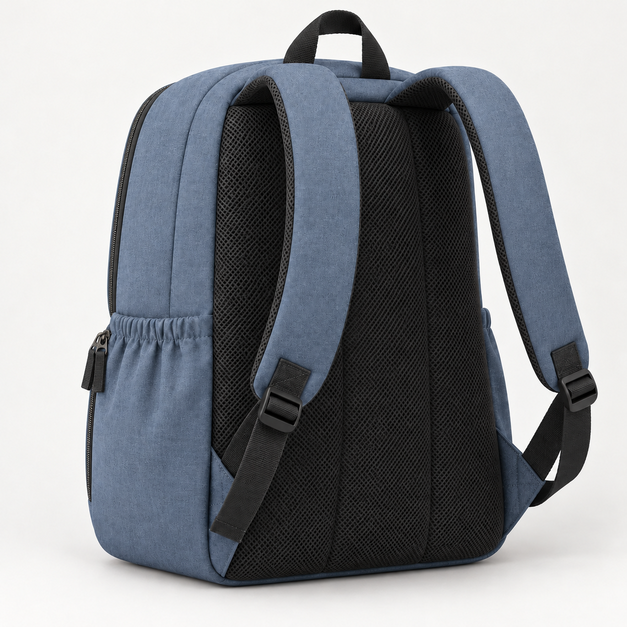
Careline Split-Compartment Diaper Backpack rear carry-system design reference

Which items need their own entrance?

Choose what stays above the fixed shelf and what uses the lower chamber. The divider is sewn into this direction; changing its height changes both compartments. Review the complete set together rather than sizing each chamber from separate photographs.

Buyer questionWhat must be reached without opening the other chamber?

How should the two hatches open?

The upper hatch folds upward and over the top; the lower hatch folds forward from the base. Review both zipper routes with the bag packed, including loose textiles near the tracks. Agree any change to the hinge direction before the sample pattern is finalized.

Buyer questionDo both openings clear the agreed contents and each other?

What defines the carry review?

Use the intended item set to review the top handle, shoulder-strap adjustment and attachment positions on a physical sample. The rear view illustrates the carry layout; fit and any requested load-test method or acceptance criteria are agreed separately.

Buyer questionWhich adult user requirements and packed set should the sample review cover?

Compartments and gathered sleeves describe organization. Any additional material or performance requirement needs its own specification and supporting evidence.

OEM / ODM development process

From an approved direction to a packed custom bag order

This shared OEM and ODM bag development route shows how a buyer brief moves through sampling, material preparation, sewing, agreed production checkpoints and packing.

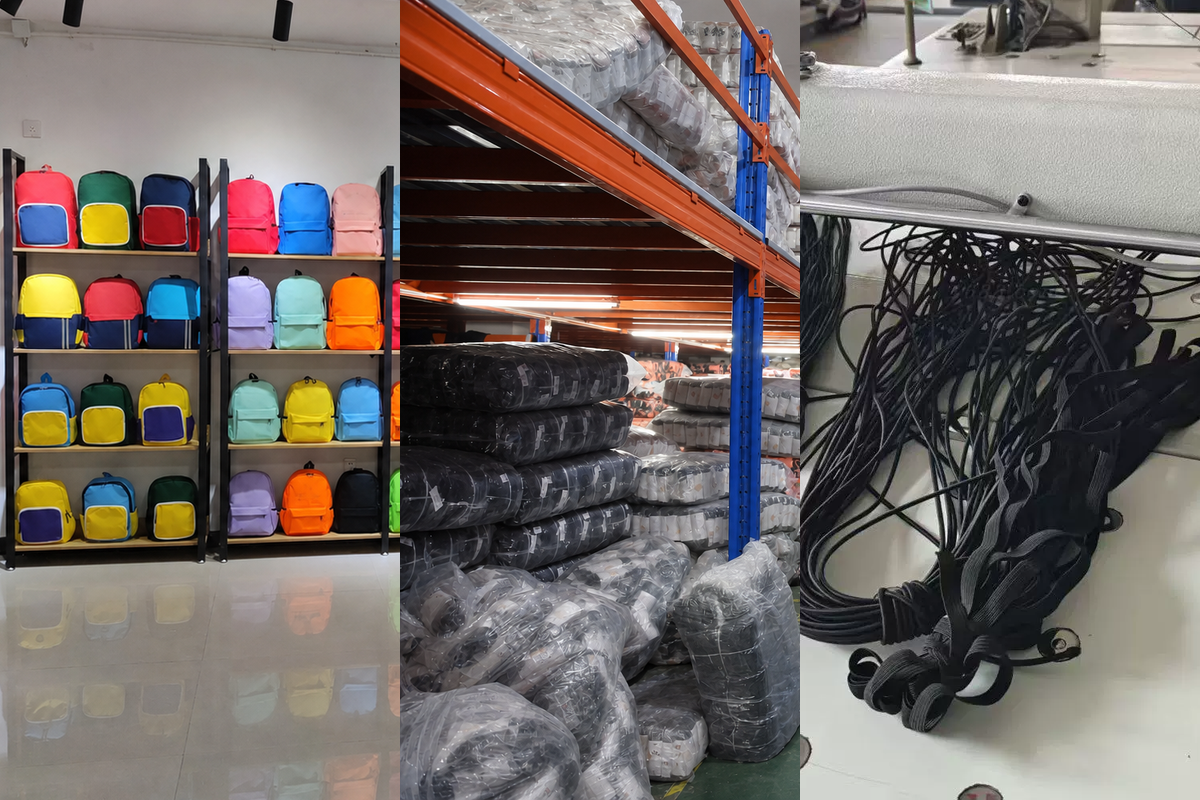
  1. Three-panel reference showing colorful bag samples, stored textile materials and black bag components
    Brief input reference

    Confirm the brief

    Define intended use, dimensions, organization, material direction, branding and packing requirements.

  2. Bag sample room with a central review table and physical backpack samples on display
    Sample review environment

    Develop and review the sample

    Turn the approved direction into a physical reference and record the revisions needed before production decisions close.

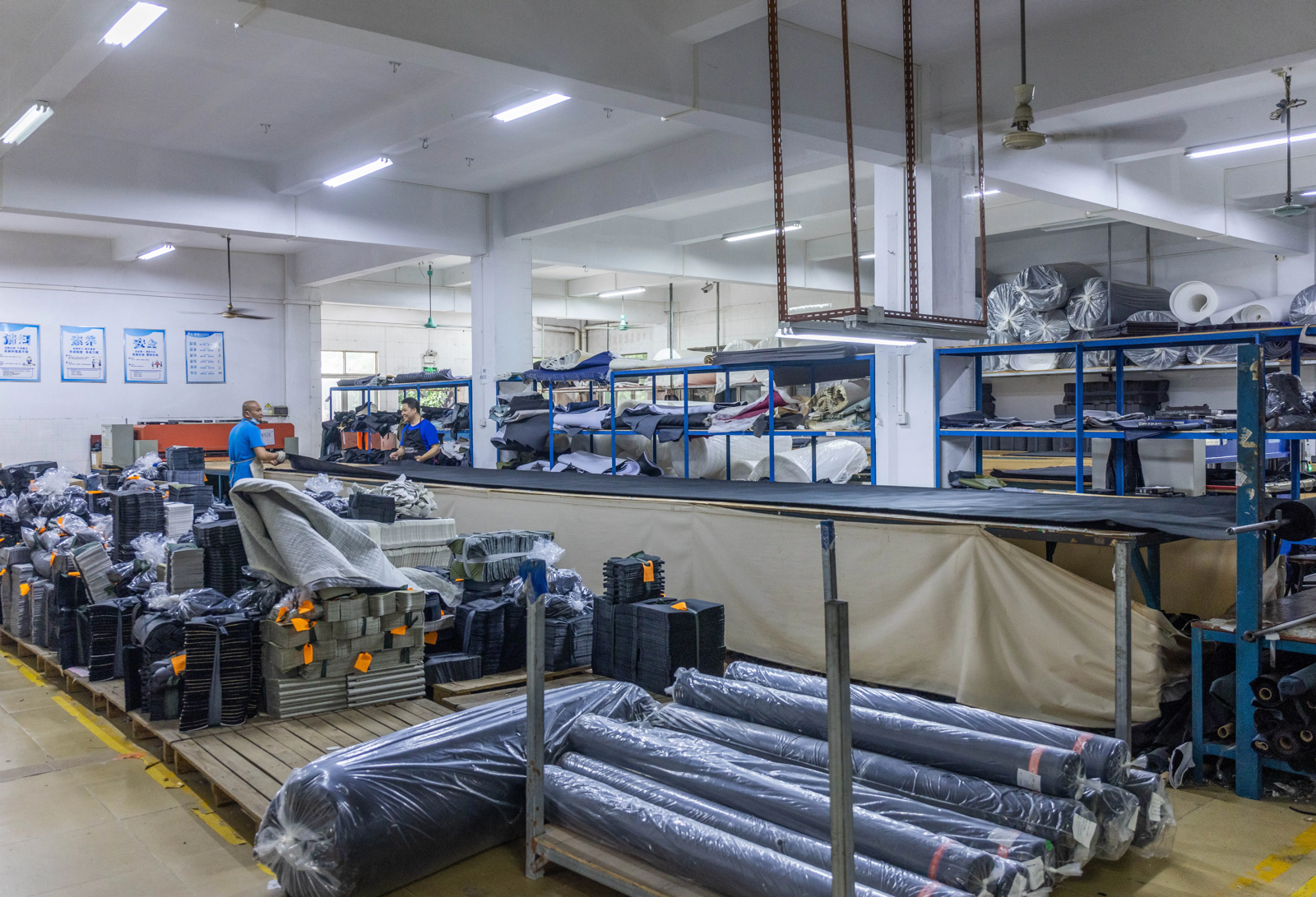
  3. Prepared bag materials and cut textile panels in the factory preparation area
    Material and panel preparation

    Prepare materials and panels

    Connect approved construction, components and color direction with material and panel preparation.

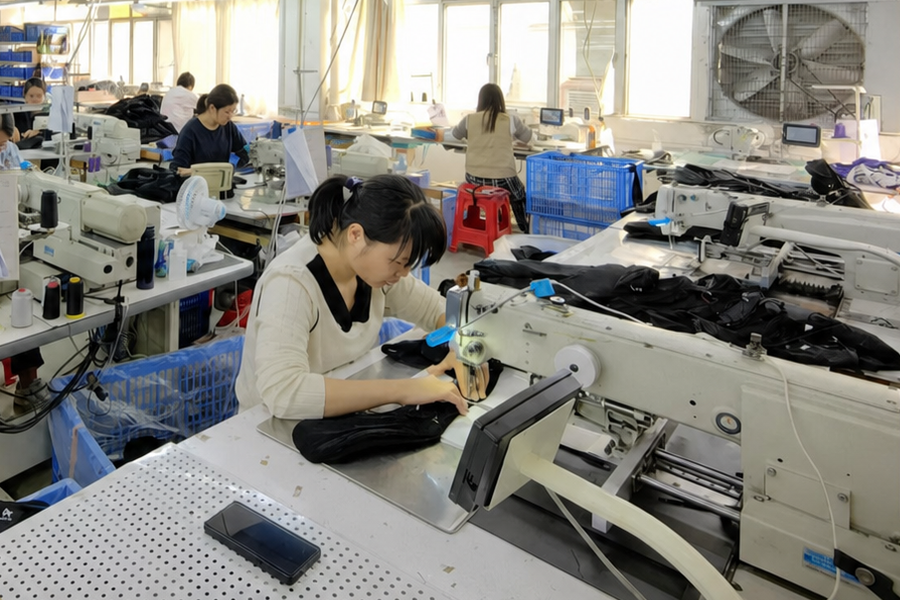
  4. Operator sewing black textile bag panels at an industrial workstation
    Bag sewing and assembly

    Sew and assemble

    Build the shell, lining, pockets, closures, handles and reinforcement in an agreed sequence.

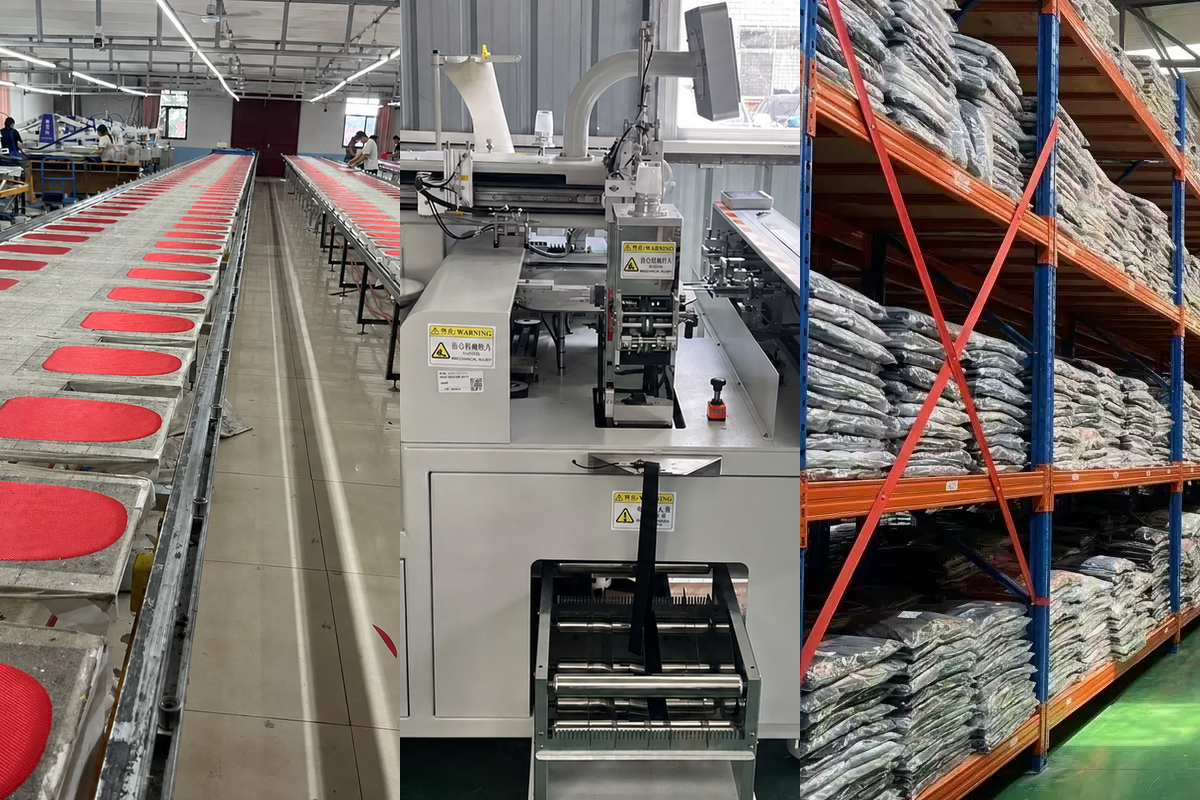
  5. Three-panel checkpoint reference showing prepared panels, component equipment and organized order staging
    Checkpoint reference

    Follow agreed checkpoints

    Review workmanship, dimensions, function, branding and order identity against the approved references for the programme.

  6. Staff preparing shipping cartons in an affiliated packing area
    Confirmed carton packing

    Pack and coordinate dispatch

    Apply the confirmed packing, labeling, carton and shipment instructions for the completed order.

The exact development, inspection and production plan is confirmed for each product, specification and buyer requirement, and no image proves every check used for every order.

How to review and approve a bag sample

Factory-backed bag manufacturing

Made-to-order bag production through an affiliated China factory

Forthright coordinates Truedrape bag projects with an affiliated textile bag factory in China under common ownership. Production follows the agreed project specification and approved sample.

Forthright handles commercial and development coordination. The trading company and affiliated factory are separate legal entities.

View the full Factory Tour
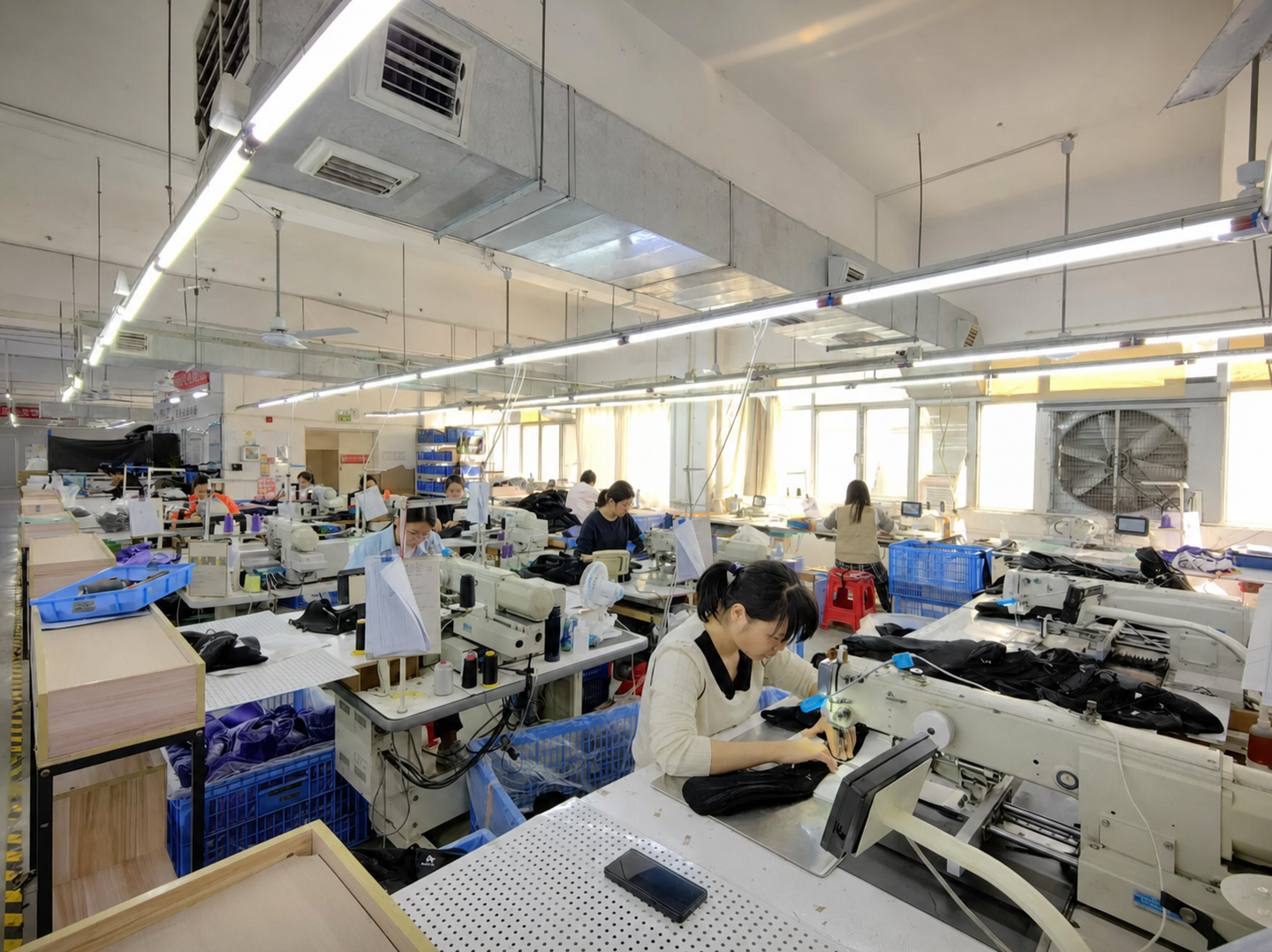
Active bag sewing workshop with operators assembling textile bag panels
Custom bag sewing and assembly

An active bag-production environment supporting made-to-order programmes.

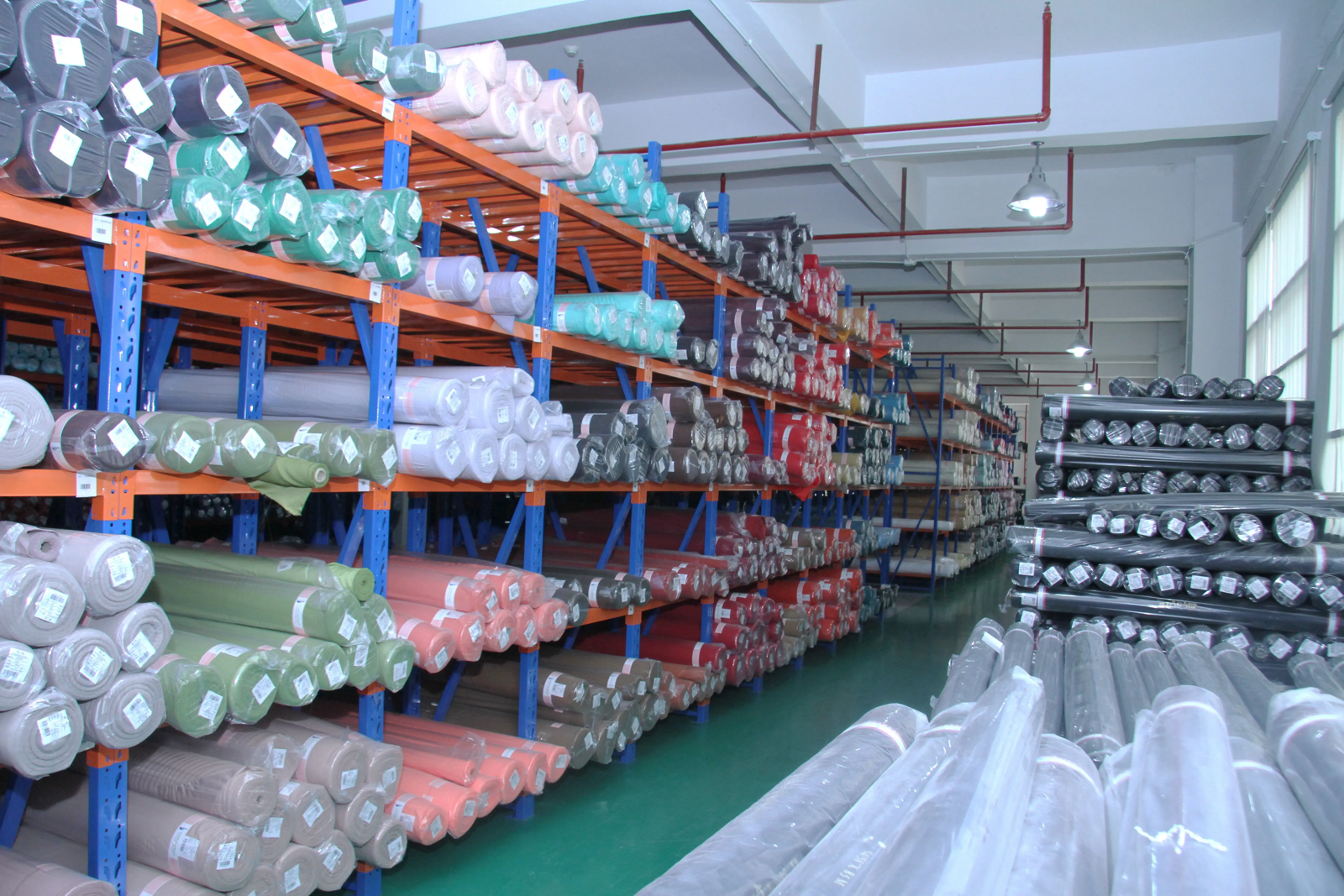
Organized rolls of bag fabric stored on industrial warehouse racking
Textile material organization

Material-roll storage connected with production preparation.

Digital textile cutting table in an affiliated support facility
Preparation support equipment

General textile equipment; routing is confirmed for each bag programme.

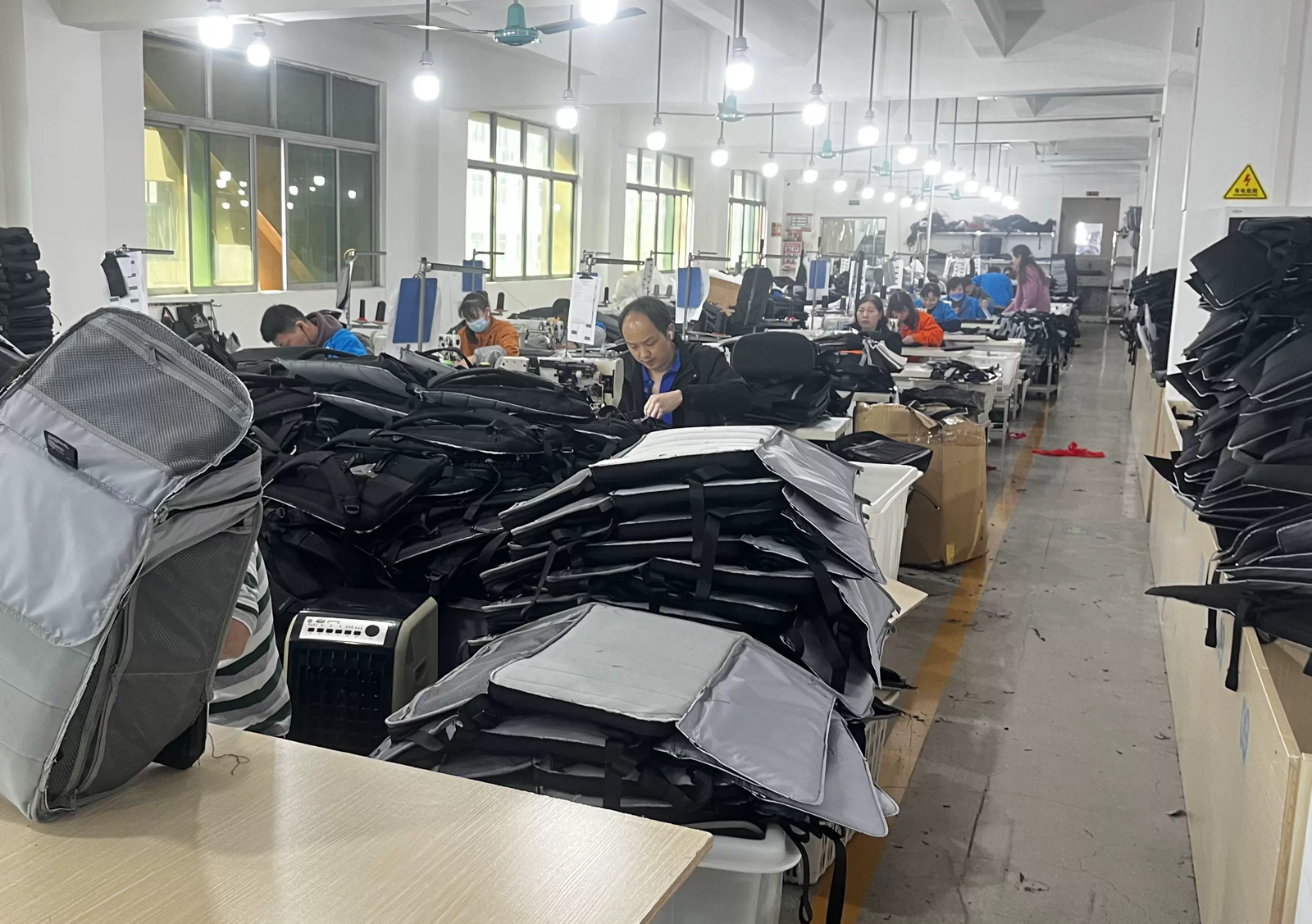
Operators working with bag panels at industrial sewing stations
OEM bag production environment

People, workstations and prepared parts in the bag-production environment.

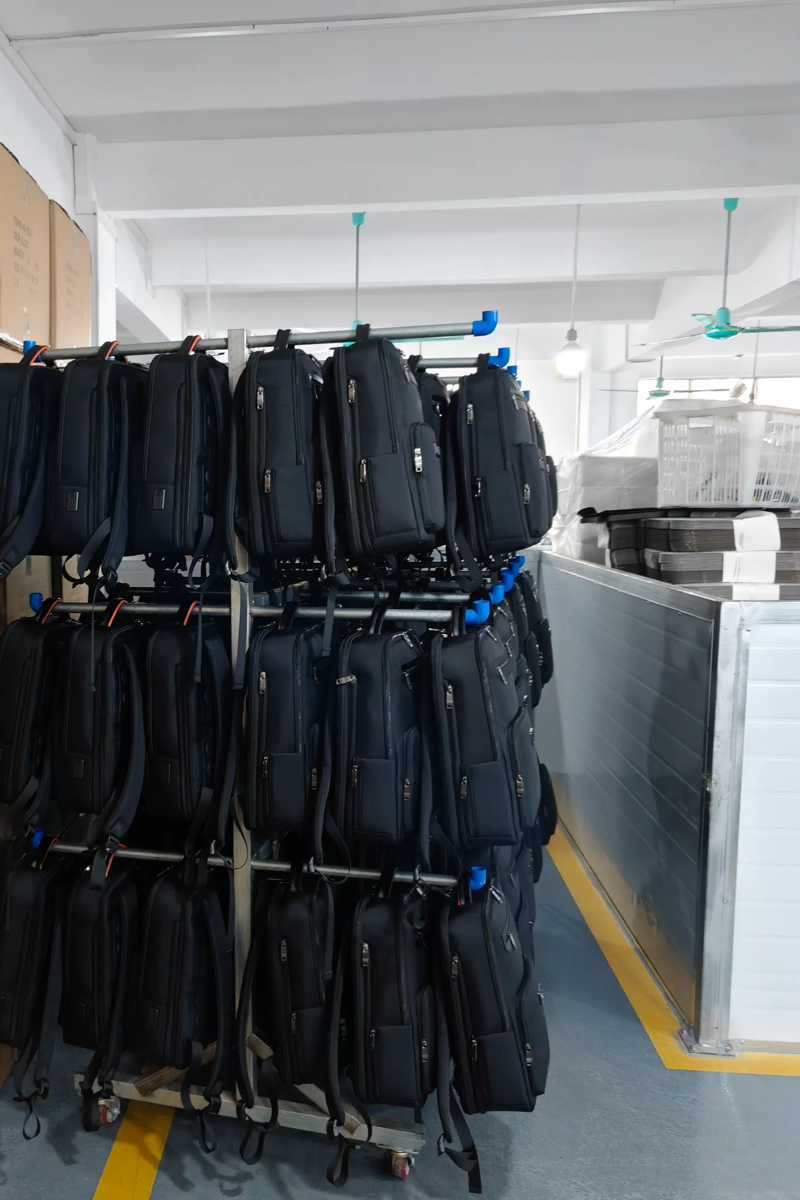
Rows of finished backpacks arranged on a mobile rack beside packing cartons
Finished-goods handling

Completed bags remain connected with the order before packing and dispatch.

Approve the chamber split on a packed sample

Explore development capabilities
  1. Item fit and separate access

    Use the agreed care-item set and folded textiles. Check upper sleeves, central slip and side-pocket openings, then open each chamber independently. Review flap clearance and the shelf position with both compartments packed. Record the items and sample version used.

  2. Divider, lining and zipper finish

    Check the fixed shelf edge, side-seam capture, binding, lining and both hatch corners against the construction brief. Move each zipper through its intended route and look for trapped lining or textiles. Recheck usable space when a support layer or seam detail changes.

  3. Carry, artwork and order record

    Review handle and strap adjustment with the intended contents, and agree any further verification separately. Confirm artwork, labels, material references and packing. Record quantity per style and color, the approved revisions and the next production decision.