Made-to-order B2B development. Materials, dimensions and acceptance criteria are confirmed through sampling.
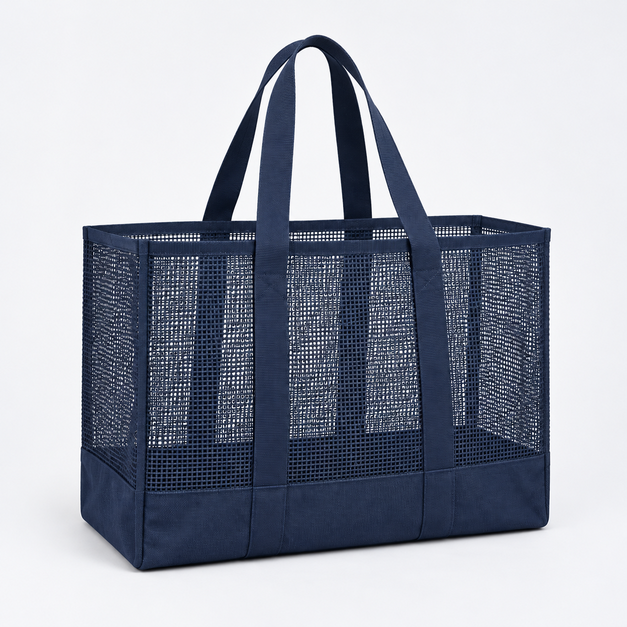
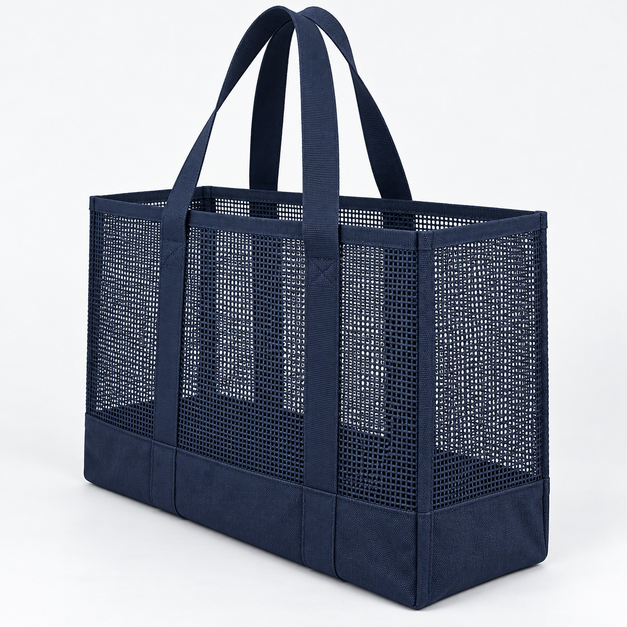
A beach bag supplier brief needs to define what the carryall holds and how much of those contents should remain visible. This navy/graphite open-mesh direction has a rectangular box gusset, bound open rim and a solid navy band around the lower body. Two dark U handles continue into vertical webbing strips on the front and back, connecting to the base. Set the contents, mesh aperture and intended load before sampling.
Review the open compartment and handle path
The mesh shell, solid base and continuous webbing paths need to be specified together. Changes to the aperture or base-band height can change where stitching and attachment areas sit.
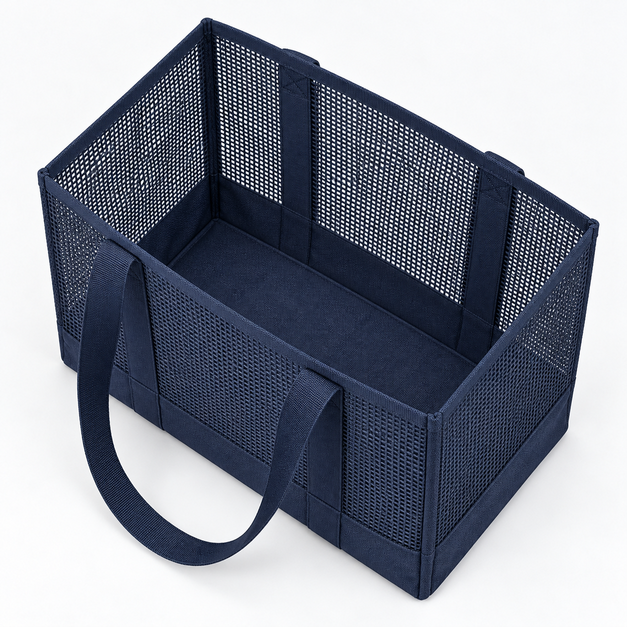
One open, unlined compartment
The interior follows the open mesh body and solid navy base, without a lining or pockets. Use the proposed program contents to check access, visibility through the mesh and the size of any small loose items relative to the openings. Confirm the inside seam finish and base corners on the physical sample.
Open top with a bound rim
Solid navy lower base band
Continuous U handles with vertical webbing paths to the base
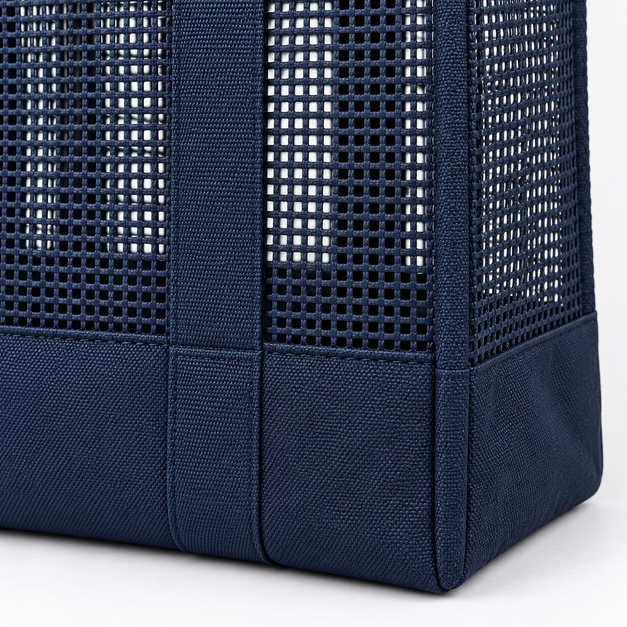
Mesh-to-base join and continuous webbing
The solid navy band occupies roughly the lower fifth of this reference. Follow the dark webbing from each U handle down the front or back to the base connection. Define seam allowance, stitching placement and how the mesh edge is captured where these materials meet; appearance does not establish attachment strength.
Navy/graphite open-mesh shell direction
Solid navy base textile and dark webbing direction
Reference visuals, not production approval. Features, construction and any performance requirement must be confirmed on your sample.
MATERIAL BUILD
Approve mesh, base and webbing as one assembly
Navy/graphite mesh and a solid navy base establish the visual direction. Confirm actual fiber composition, mesh construction, weight and finish from physical swatches before accepting the sewn combination.
Open mesh shell
Reference directionNavy/graphite open-mesh shell direction
Select the aperture around the intended contents and the required visibility. Compare swatches for opening shape, edge behavior and appearance when supported by the base and webbing. Specify any material or use-condition tests separately; the image does not establish drainage or drying performance.
Solid lower band and base
Reference directionSolid navy textile at the lower body
Approve the base textile, band height and corner construction together. The brief should show how the mesh edge joins the solid section, which allowances are enclosed and where seam intersections fall inside the unlined compartment.
Handles and bound rim
Reference directionDark continuous webbing and matching rim binding
Specify webbing width, handle drop, rim binding and the attachment path down both faces to the base. Review the mesh, solid textile, webbing and binding shades under the agreed viewing conditions; record separate approval references where their surfaces differ.
These are design-reference images. They do not verify fiber composition, material treatment or a load or performance result; confirm the selected assembly through the agreed specification and sample checks.
For brand, hotel or resort procurement, list the contents and handling sequence before fixing the carryall dimensions. Keep the mesh, base join and handle construction visible in the drawing so the sample can be reviewed against the same brief.
Customization options
Mesh aperture and body proportion
Base band and mesh joining
Handle path and attachment
Branding and packing instructions
Aperture, opening and proportions
Provide representative contents, their smallest loose components and the expected loading sequence. Set body width, height, box-gusset depth and usable top opening together. Decide how much visibility is appropriate before approving the mesh swatch.
Base and handle assembly
Mark the solid base-band height, mesh joining seam and the continuous front and back webbing paths. Define grip length, webbing attachment and any specified reinforcement in the construction drawing, then agree checks for the intended load and handling conditions.
Branding and packing
Supply artwork and identify an application area that suits the chosen mesh or solid textile. Confirm the application method and position on a sewn sample, including interference with webbing, then agree labels, folding and packing instructions.
FUNCTIONAL DETAILS
Questions to resolve in a beach bag supplier brief
Resolve the relationship between visible contents, mesh openings and the carry assembly before approving this open-top direction.
01
Which contents suit an open mesh body?
The reference has no lining, closure or pockets. Check representative contents against the selected aperture, including small items and edges that may catch at the openings. Define whether the program needs separate item packaging before deciding the mesh size.
Buyer questionWhich items must remain contained, and how visible should they be through the shell?
02
What should be checked at the base join?
The solid lower band meets open mesh around the body. Review the captured mesh edge, seam allowance, binding where specified and the corner intersections. Record the approved joining method so a change in textile does not silently change the seam assembly.
Buyer questionHow will the mesh-to-solid seam be drawn, finished and checked on the sample?
03
How should the handles be verified?
Describe the intended load and handling sequence, then agree attachment construction, sample conditioning and a suitable verification method with acceptance criteria. Check the U handles and their vertical paths to the base as an assembly. This reference has no assigned load rating.
Buyer questionWhat representative load, handling conditions and acceptance evidence should the approval plan cover?
Aperture, dimensions and attachments remain development decisions. Keep the approved drawing, material references and sample revision together before order approval.
OEM / ODM development process
From an approved direction to a packed custom bag order
This shared OEM and ODM bag development route shows how a buyer brief moves through sampling, material preparation, sewing, agreed production checkpoints and packing.
Brief input reference
01
Confirm the brief
Define intended use, dimensions, organization, material direction, branding and packing requirements.
Sample review environment
02
Develop and review the sample
Turn the approved direction into a physical reference and record the revisions needed before production decisions close.
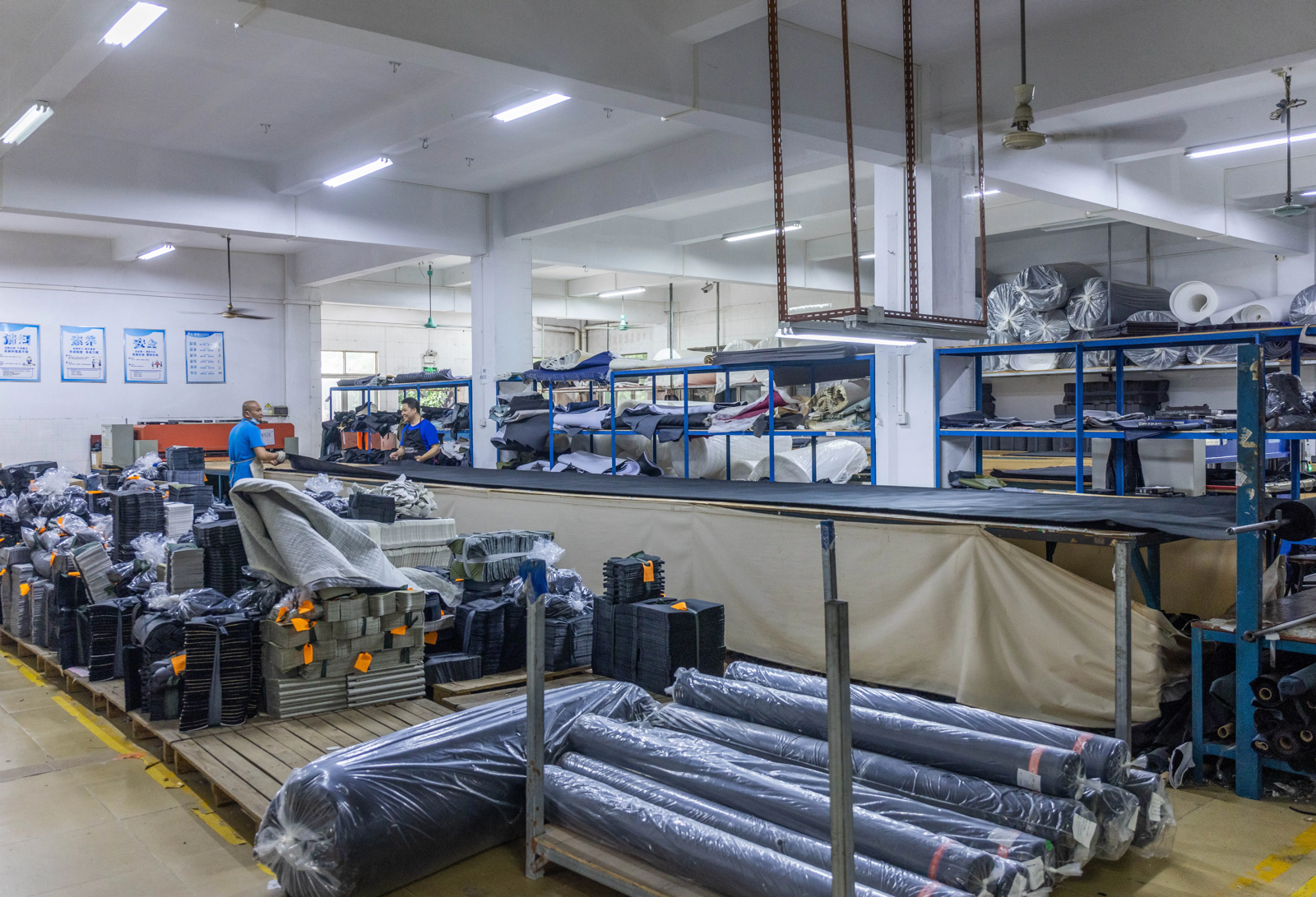
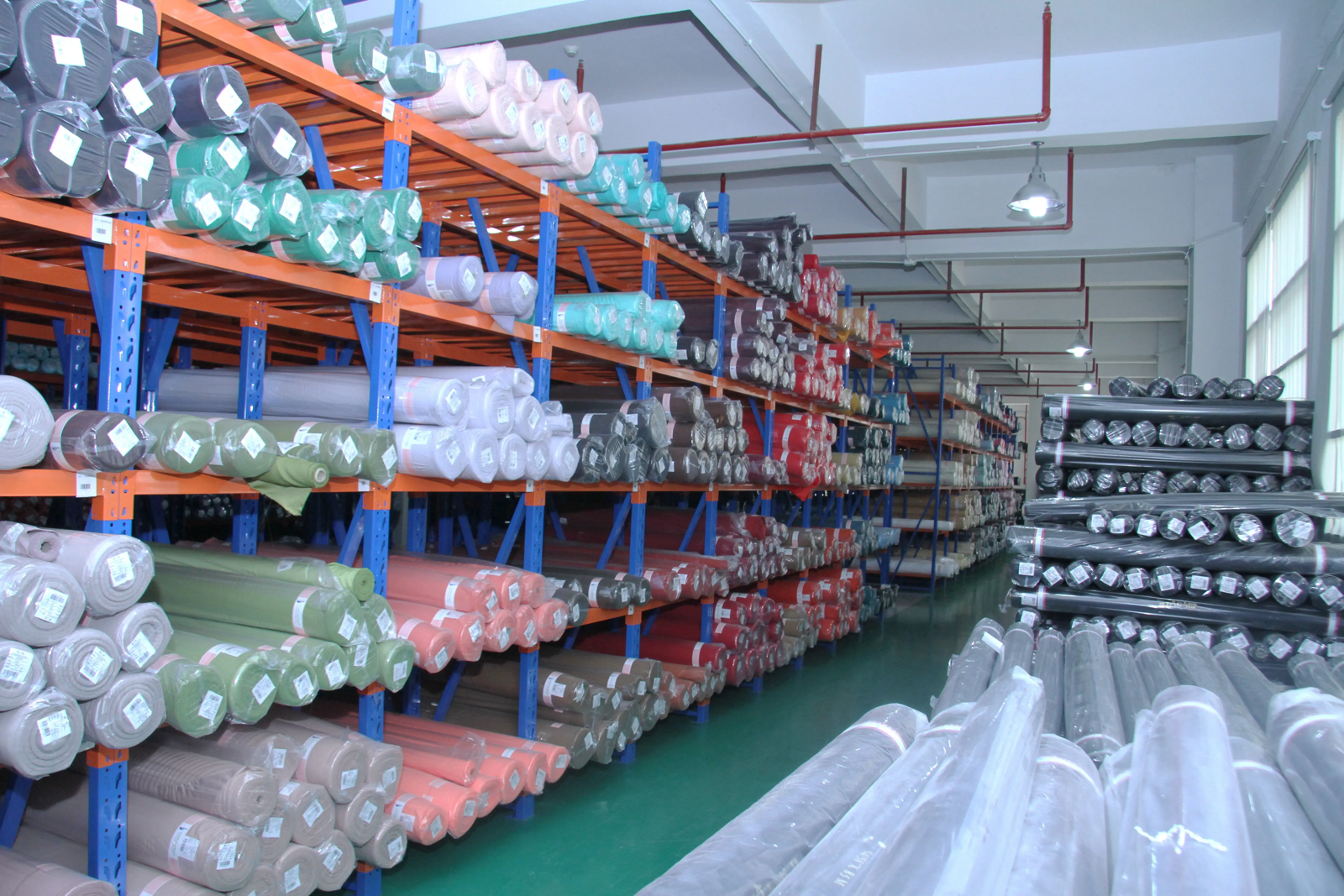
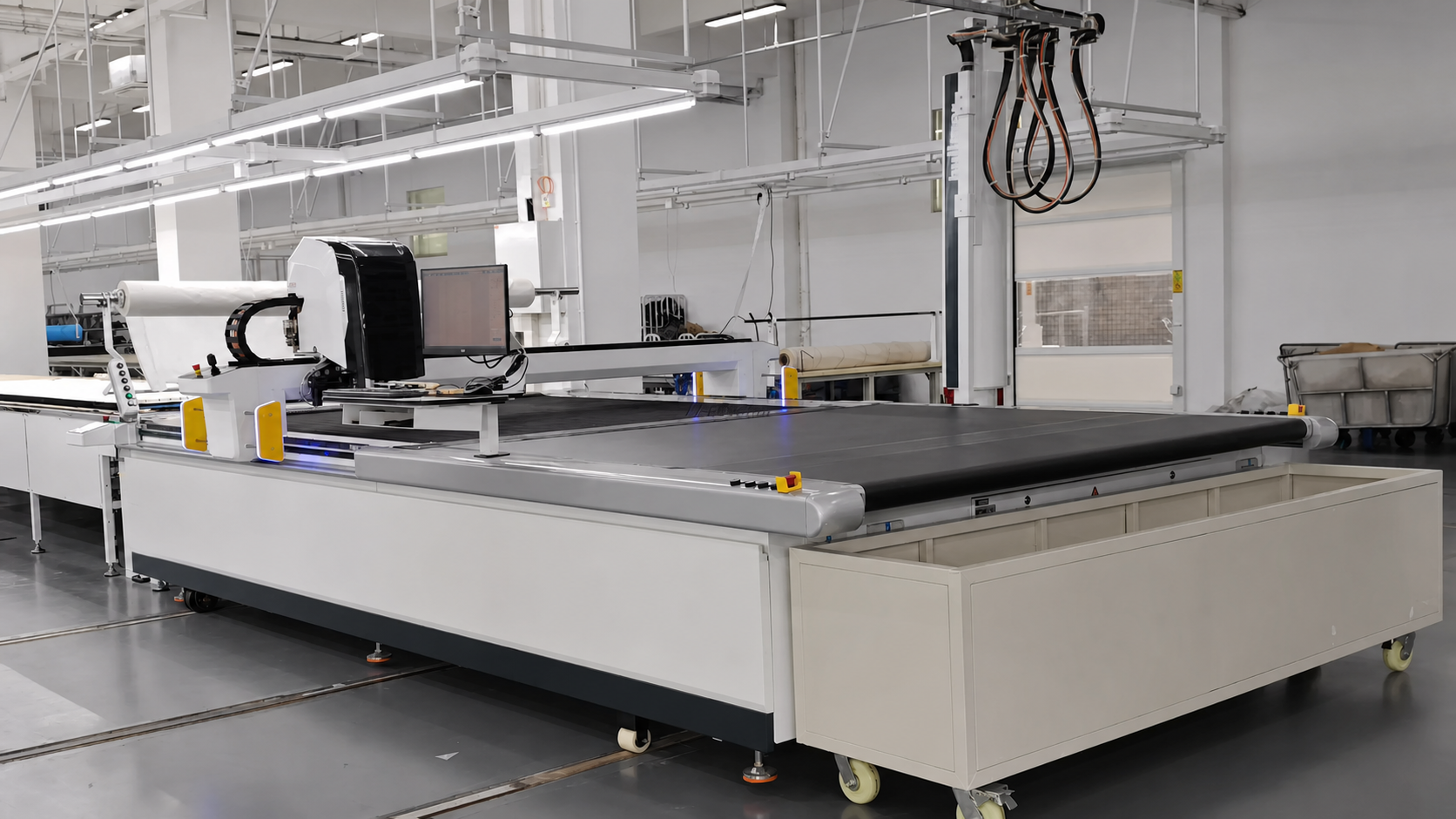
Material and panel preparation
03
Prepare materials and panels
Connect approved construction, components and color direction with material and panel preparation.
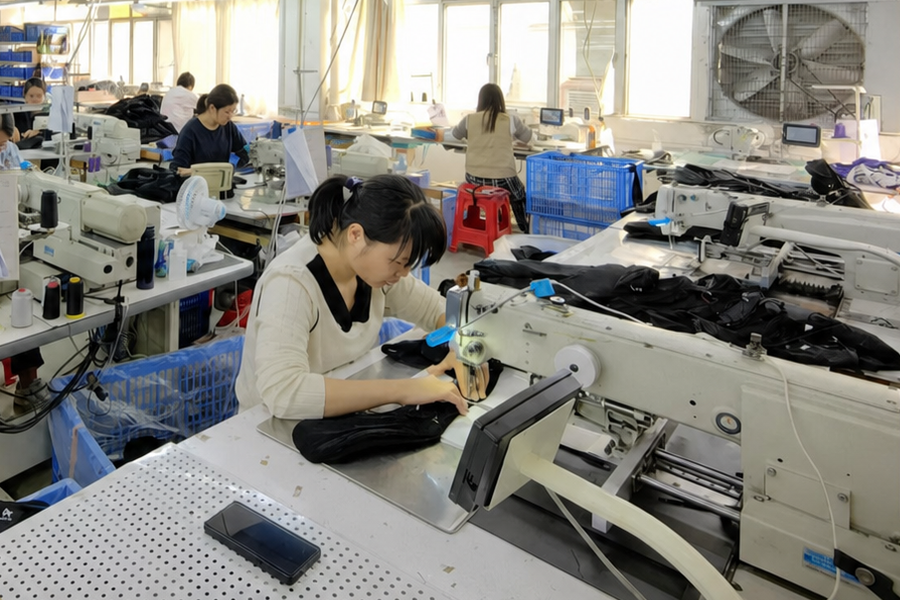
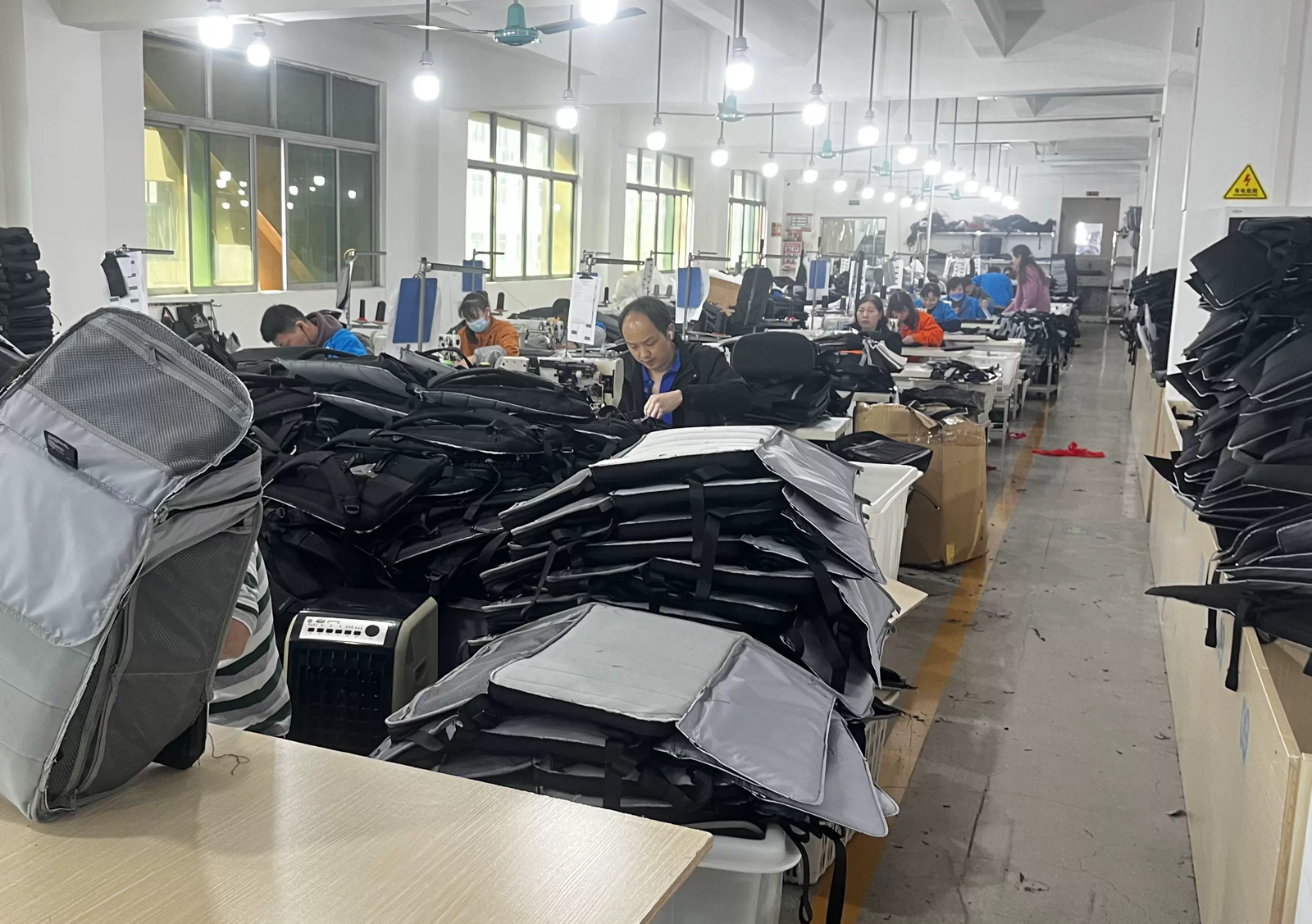
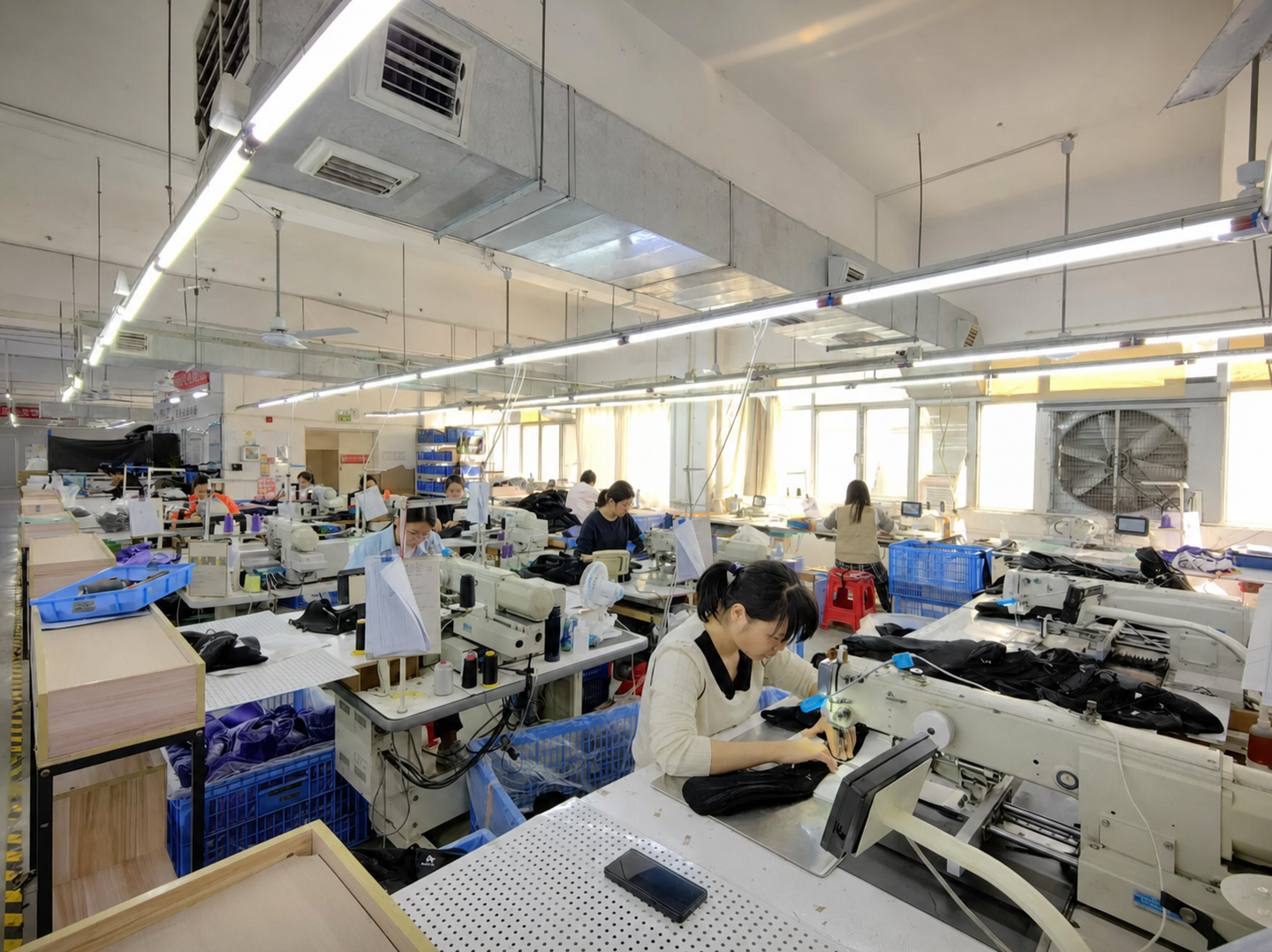
Bag sewing and assembly
04
Sew and assemble
Build the shell, lining, pockets, closures, handles and reinforcement in an agreed sequence.
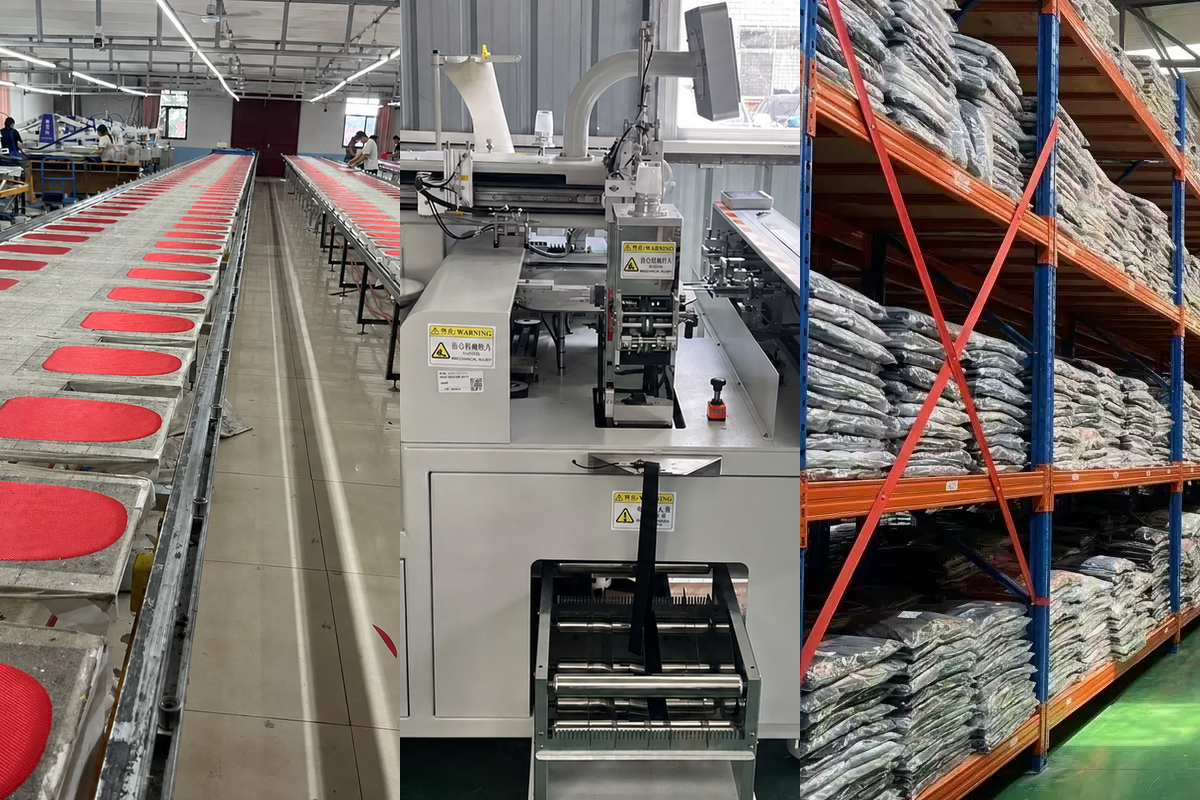
Checkpoint reference
05
Follow agreed checkpoints
Review workmanship, dimensions, function, branding and order identity against the approved references for the programme.
Confirmed carton packing
06
Pack and coordinate dispatch
Apply the confirmed packing, labeling, carton and shipment instructions for the completed order.
The exact development, inspection and production plan is confirmed for each product, specification and buyer requirement, and no image proves every check used for every order.
Made-to-order bag production through an affiliated China factory
Forthright coordinates Truedrape bag projects with an affiliated textile bag factory in China under common ownership. Production follows the agreed project specification and approved sample.
Forthright handles commercial and development coordination. The trading company and affiliated factory are separate legal entities.
Load the agreed representative contents through the open rim. Check mesh visibility, contact with small items, access at the box gusset and the usable opening. Record the approved dimensions and aperture rather than deriving capacity from the image.
02
Mesh join and handle path
Inspect the mesh-to-base seam, inside allowances, rim binding and base corners. Trace both U handles down the front and back to their base connections, then apply the agreed load and handling checks and record the outcome before approval.
03
Materials and order references
Match mesh, base, binding and webbing to approved swatches. Check artwork and label placement, packing and color references. Retain the accepted sample revision and agreed inspection criteria so later checks use the same construction standard.
Discuss the Open-Mesh Beach Carryall specification.
Share the brand, hotel or resort program, representative contents, intended load, target dimensions, mesh and color direction, handle requirements, artwork, quantity per color and timing. The MOQ is 300 pieces per style per color; sample timing follows specification agreement and bulk timing follows sample approval and order review.
We use essential cookies for site operation and optional analytics only with your consent.