Made-to-order B2B development. Materials, care requirements and construction are agreed through sampling.
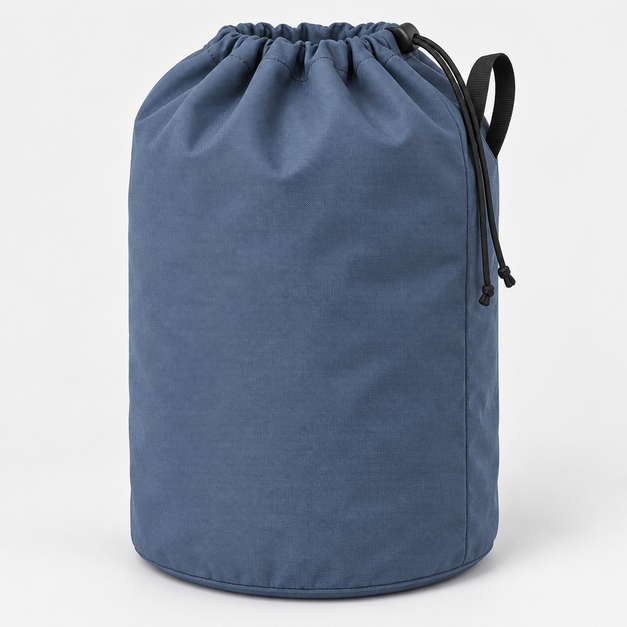
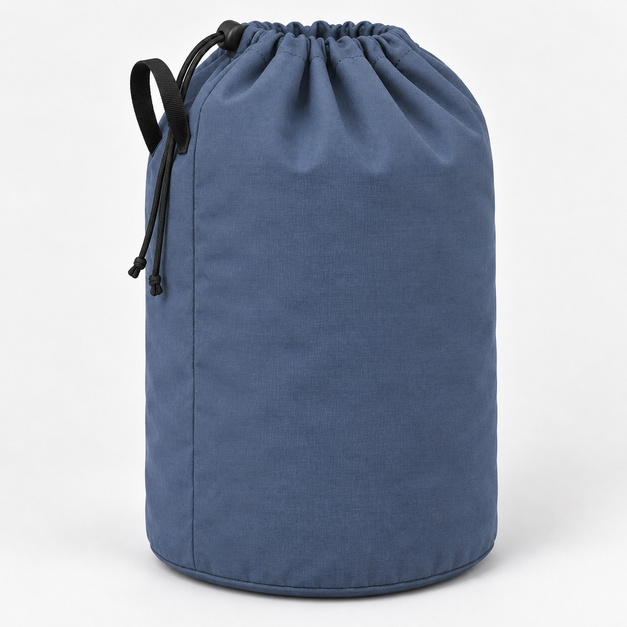
A laundry bag supplier brief should start with the collection task, the usable opening and how the sack will be handled. This made-to-order design direction uses a slate-blue cylindrical body, round base, single drawcord closure and one short hand loop. Define the intended contents and handling sequence before confirming the proportions on a physical sample.
Specify the opening, base and internal finish
The round-base format provides one open collection compartment. Review the top closure separately from the body and base seams so each detail can be defined in the brief.
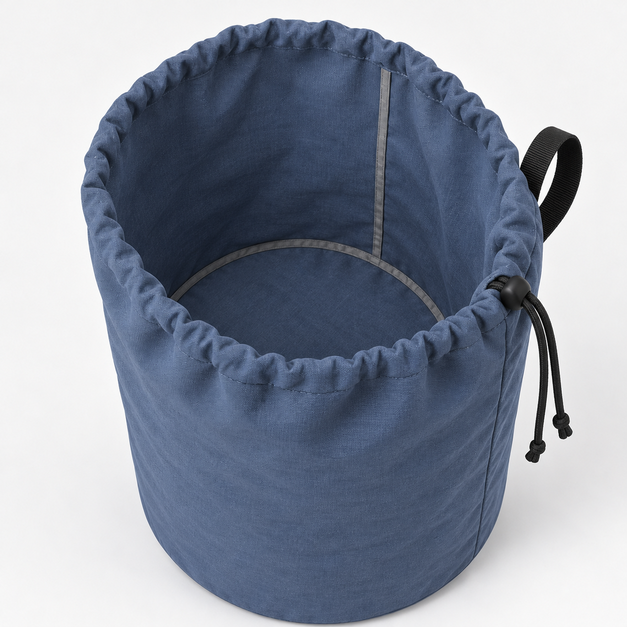
Unlined body and bound seams
The reference continues the slate-blue body textile into the unlined interior, with light-gray binding along the internal seams. Check the seam positions, base join and access to the bottom with representative contents before approving the body proportion.
Soft cylindrical body with a round base
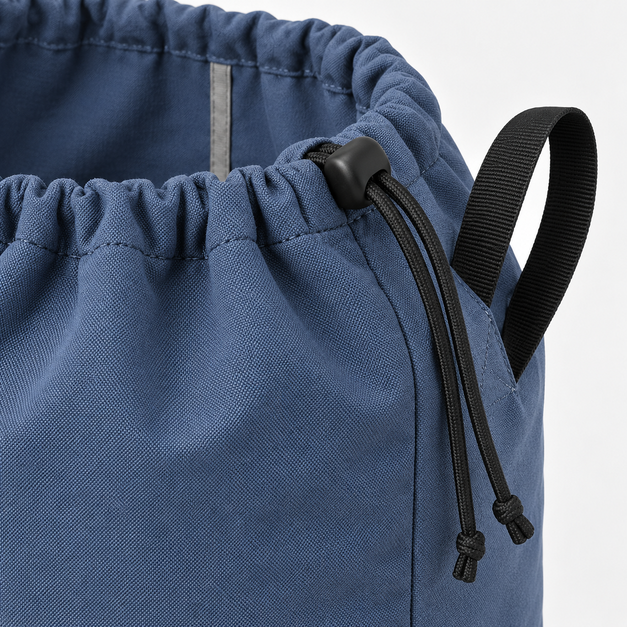
Single top drawcord channel with one side cordlock
One short webbing hand loop at the upper side seam
Unlined compartment with bound internal seams
One channel and one cordlock
A single top channel routes the black drawcord to one black cordlock near the side. Define the cord exit, channel stitching and closed opening on the sample. The nearby short webbing loop is a separate attachment to review; the picture does not establish its load capability.
Matte slate-blue woven textile direction
Light-gray internal seam binding direction
Black drawcord, cordlock and webbing direction
Reference visuals, not production approval. Features, construction and any performance requirement must be confirmed on your sample.
MATERIAL BUILD
Choose the shell and trim against the handling brief
Matte slate blue sets the visual direction for Drawcord Laundry Sack. Select the actual fiber composition, weave, weight and finish from agreed swatches, then review their behavior in the sewn sample.
Body textile
Reference directionMatte slate-blue woven textile direction
Compare shell swatches for the intended collection and transport task. Review how the chosen textile gathers at the top, folds around the round base and sits against the internal binding; agree any care requirements and supporting evidence separately.
Internal seam finish
Reference directionLight-gray binding on the unlined body
Specify binding material, width and seam coverage on the approved construction drawing. Review the side seam and base join inside the sample, including exposed edges and any areas that interfere with loading or emptying.
Closure and hand loop
Reference directionBlack drawcord, one cordlock and one short webbing loop
Choose compatible cord and cordlock samples and define the loop attachment at the upper side seam. Agree the intended handling and verification scope rather than inferring strength or closure performance from the image.
These images describe a design direction. Fiber composition, finish, care suitability and performance require the agreed specification and evidence for the selected materials.
Turn the collection task into a sack specification
Develop this reference around the buyer's working sequence: where items enter the sack, how the opening closes and how the sack is moved and emptied. Each option is confirmed through the project brief and sample.
Customization options
Body proportion, base size and usable opening
Shell weave, color and seam binding
Drawcord route, cordlock and hand-loop attachment
Artwork placement and packing presentation
Body and opening
Share the intended contents and the space available at the collection point. Define the body height, round-base size, usable opening and closed shape together; dimensions are specified to the project.
Cord and loop attachment
Set the cord exit and cordlock position, cord-end finish, loop length and attachment reinforcement. Keep the single short hand-loop direction clear in the drawing and agree how the attachment will be checked for the intended handling.
Identification and packing
Send artwork and identify the panel that should remain readable when the sack is gathered. Confirm logo application, label wording, folded presentation and packing requirements against the sample before approval.
FUNCTIONAL DETAILS
Questions for a laundry bag supplier
Resolve these questions in the development brief so the approved sample reflects the intended collection and transport use.
01
Is this reference intended for machine washing?
The reference defines a collection and transport sack. It does not establish suitability for washing inside a machine. If laundering is part of the project, specify the care conditions and agree material and finished-sample verification before approval.
Buyer questionWhat care conditions, if any, must the selected textile and trims support?
02
How should the hand loop be used?
The design has one short black webbing loop at the upper side seam. Describe the intended grip and movement sequence, then confirm the attachment construction and agreed checks with representative contents. No load rating is assigned to this reference.
Buyer questionWhere will the sack be gripped, moved and emptied in the intended workflow?
03
What is needed for an initial quotation?
Provide target dimensions, intended contents, opening and closure requirements, textile direction, artwork, quantity per color and timing. The starting MOQ is 300 pieces per style per color; sampling and bulk timing are confirmed after specification and order review.
Buyer questionWhich dimensions and construction details are fixed, and which should be developed on the sample?
The round base, short loop and closure are editable design directions. Agree the final construction and acceptance criteria before treating the sample as an order reference.
OEM / ODM development process
From an approved direction to a packed custom bag order
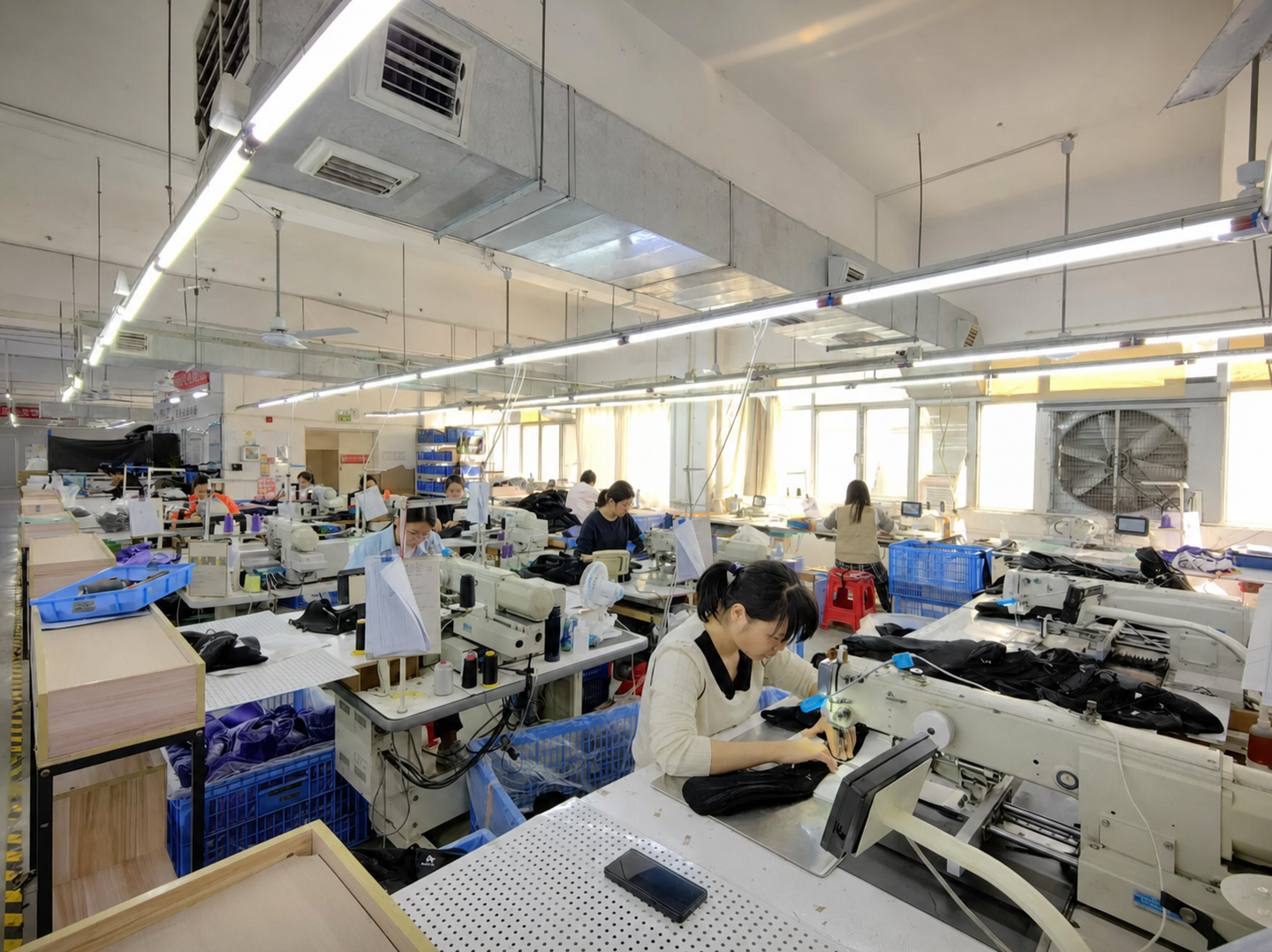
This shared OEM and ODM bag development route shows how a buyer brief moves through sampling, material preparation, sewing, agreed production checkpoints and packing.
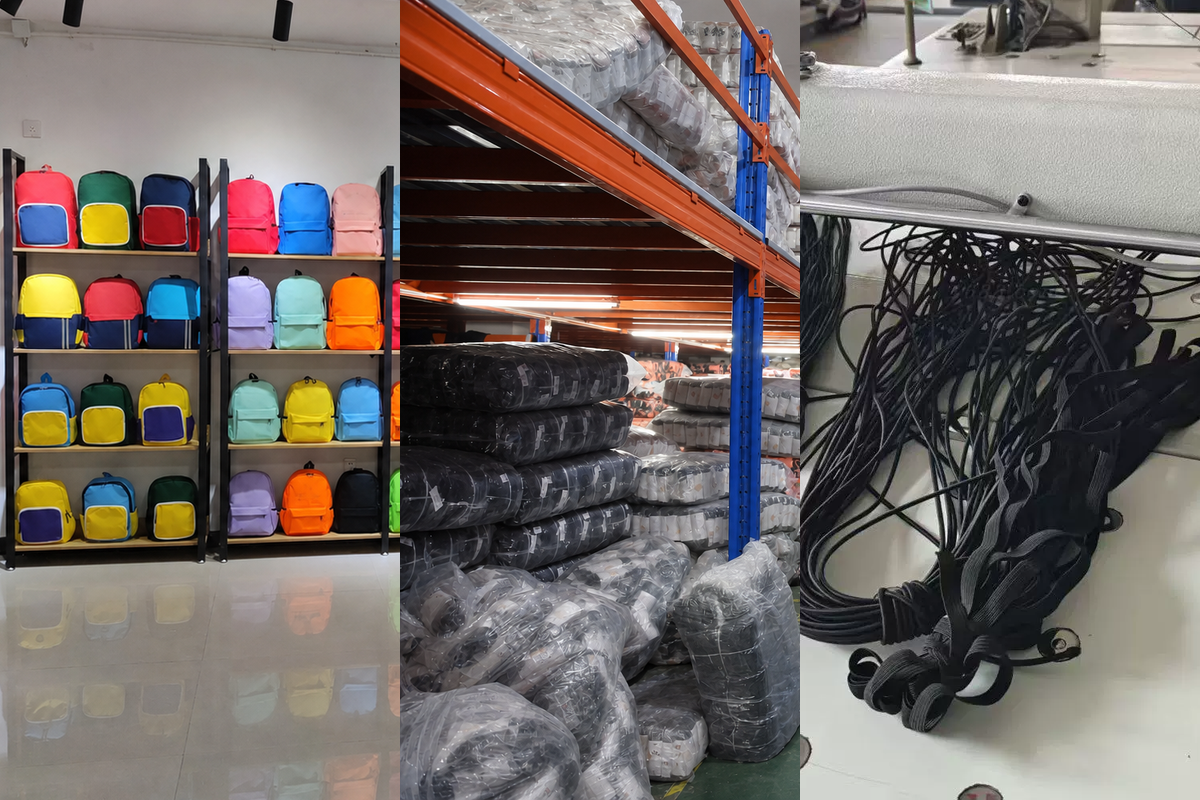
Brief input reference
01
Confirm the brief
Define intended use, dimensions, organization, material direction, branding and packing requirements.
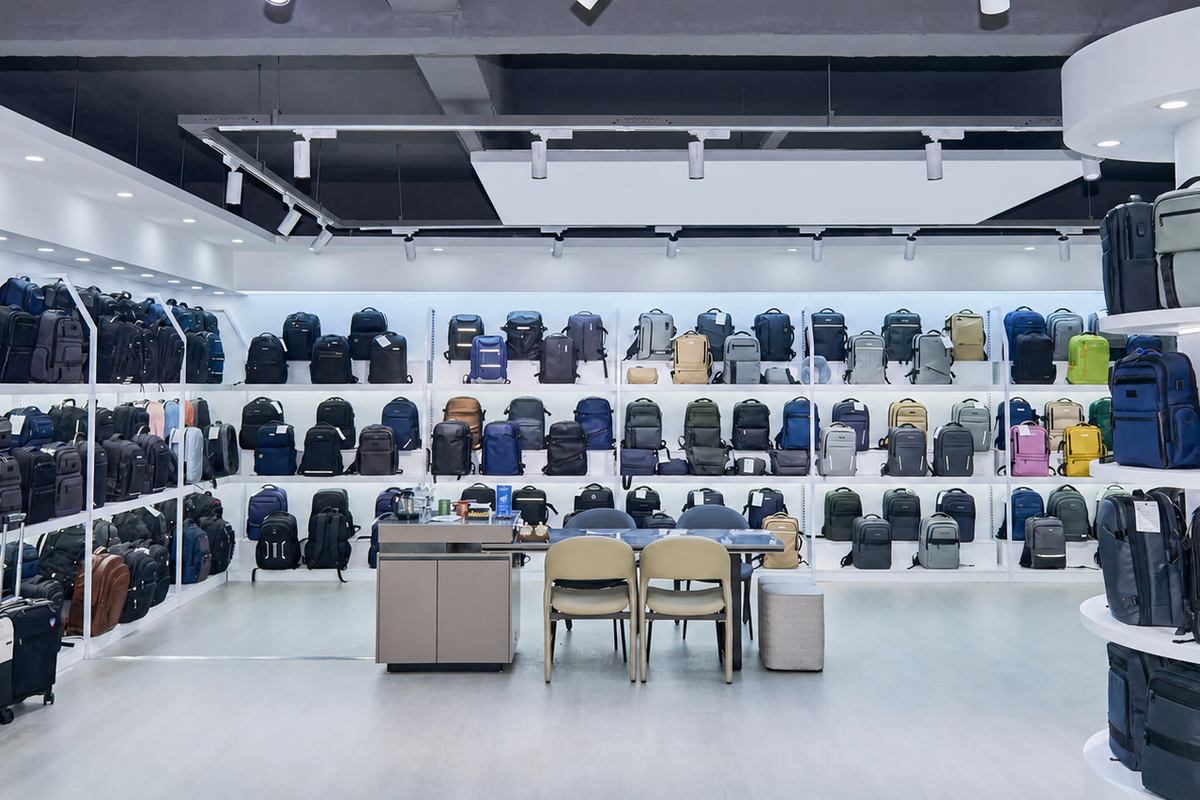
Sample review environment
02
Develop and review the sample
Turn the approved direction into a physical reference and record the revisions needed before production decisions close.
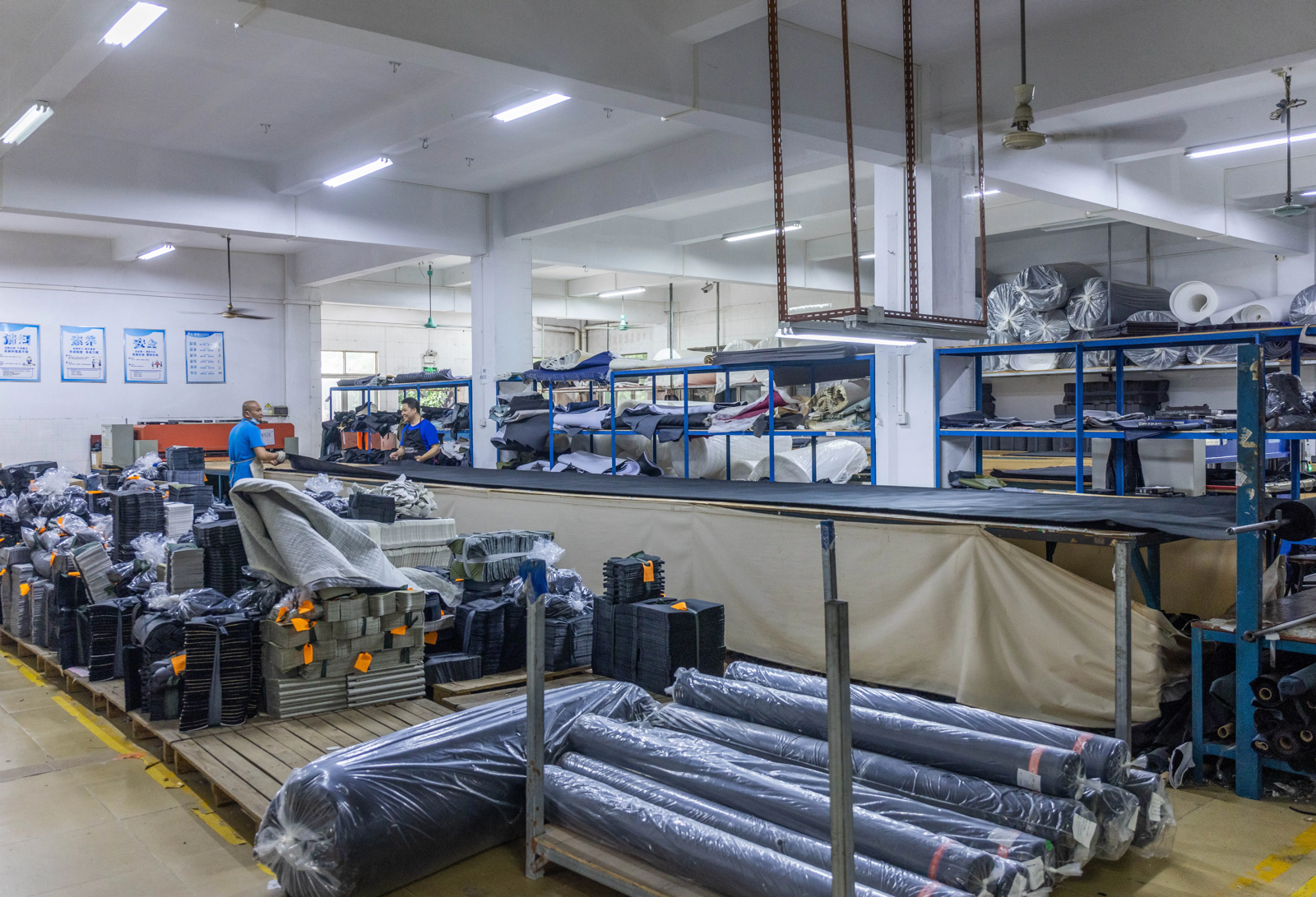
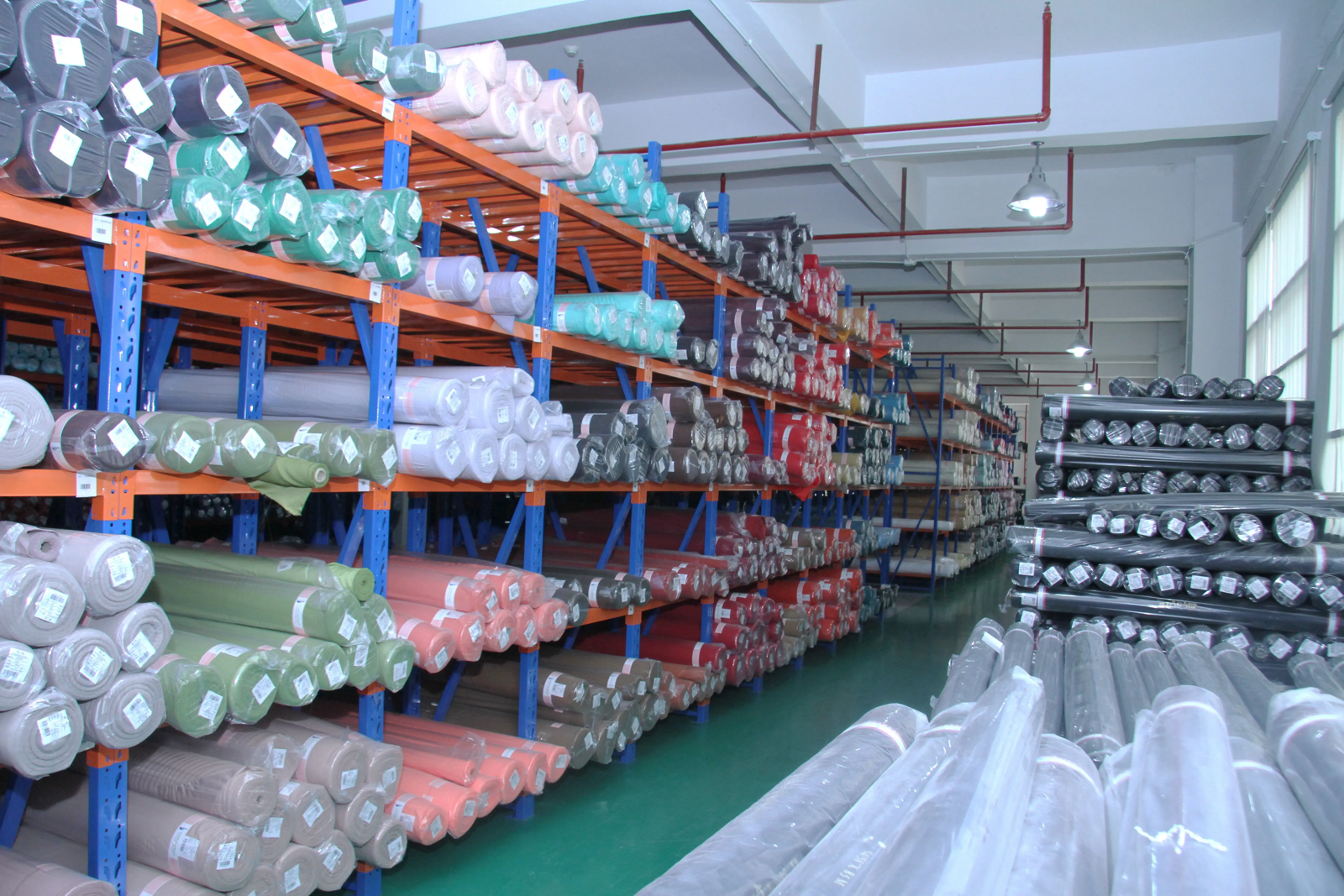
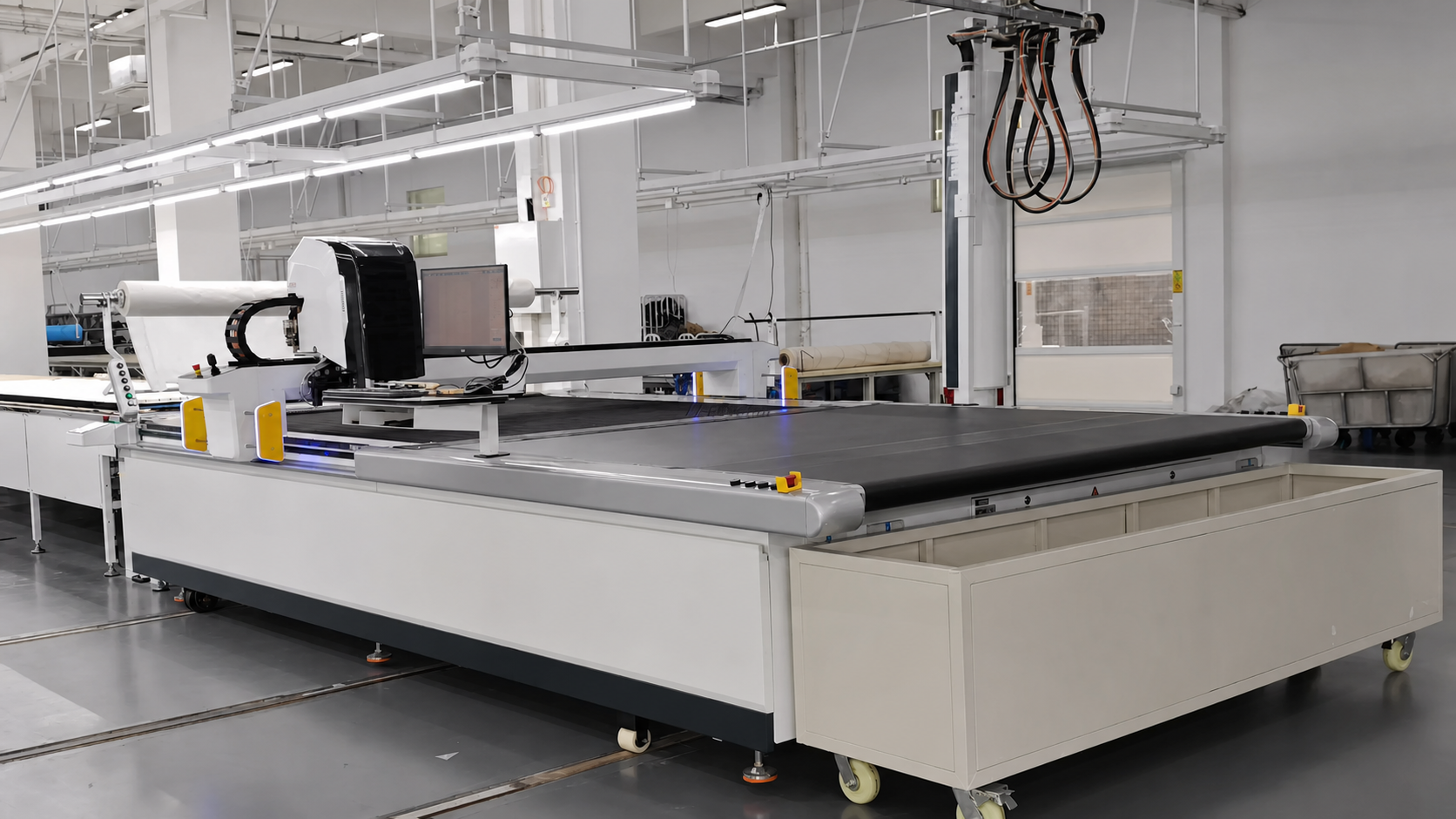
Material and panel preparation
03
Prepare materials and panels
Connect approved construction, components and color direction with material and panel preparation.
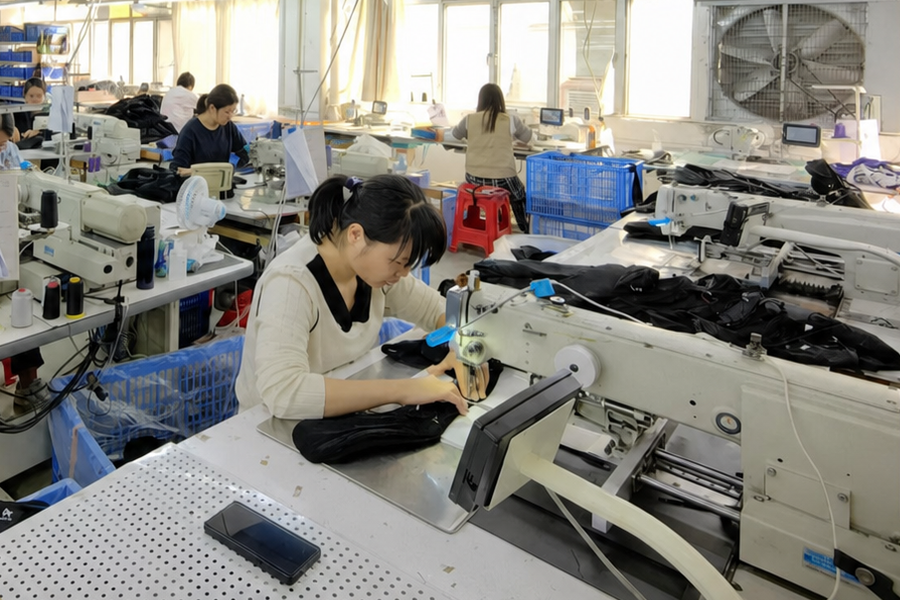
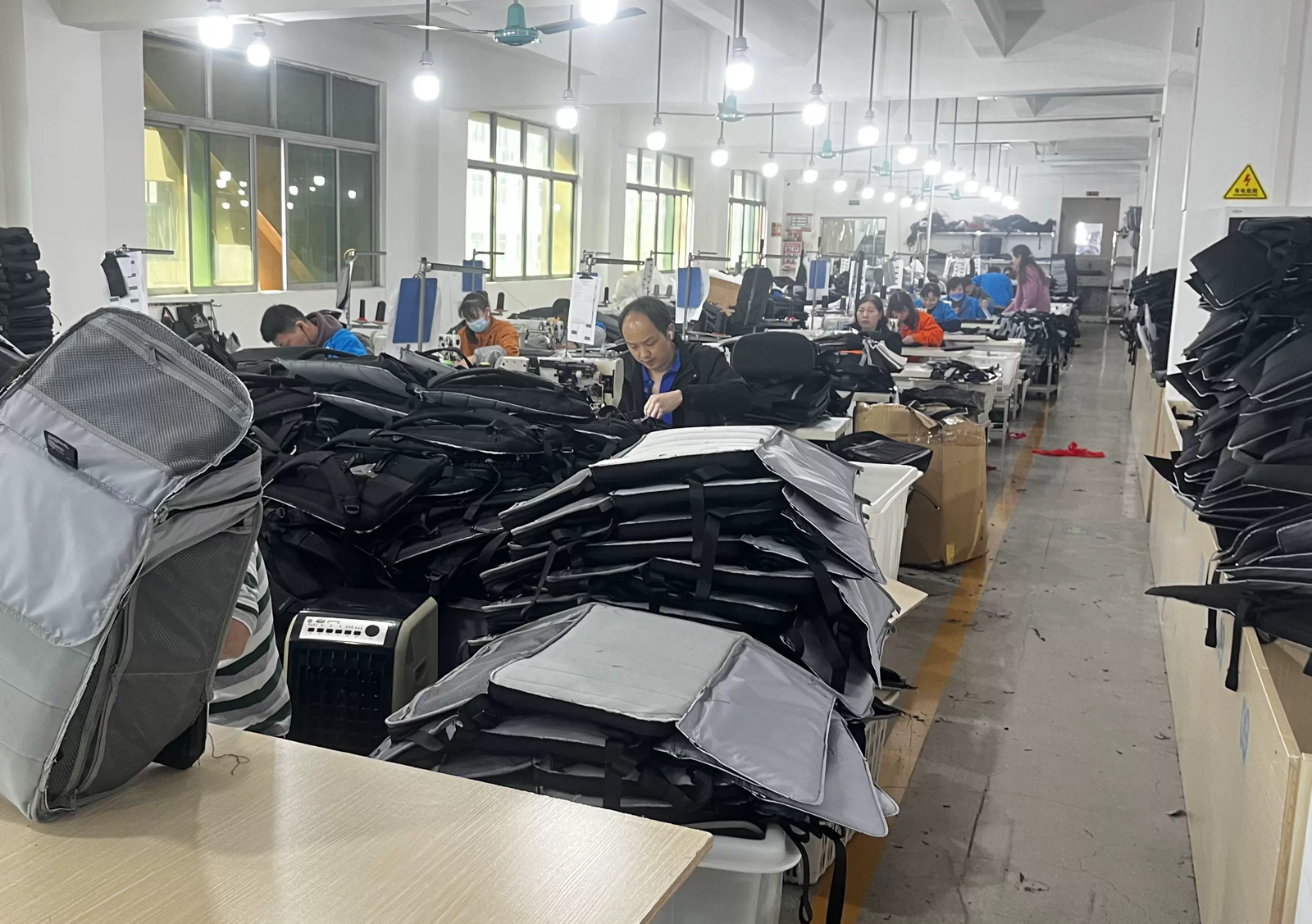
Bag sewing and assembly
04
Sew and assemble
Build the shell, lining, pockets, closures, handles and reinforcement in an agreed sequence.
Checkpoint reference
05
Follow agreed checkpoints
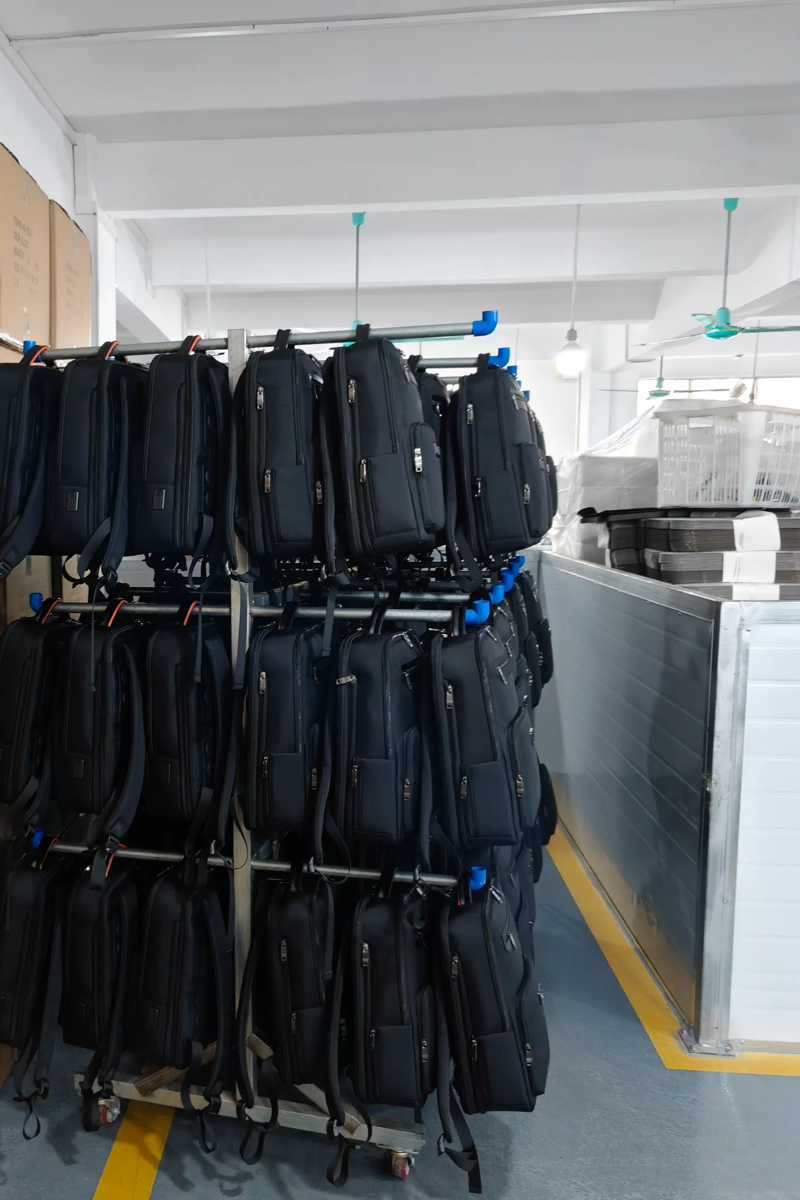
Review workmanship, dimensions, function, branding and order identity against the approved references for the programme.
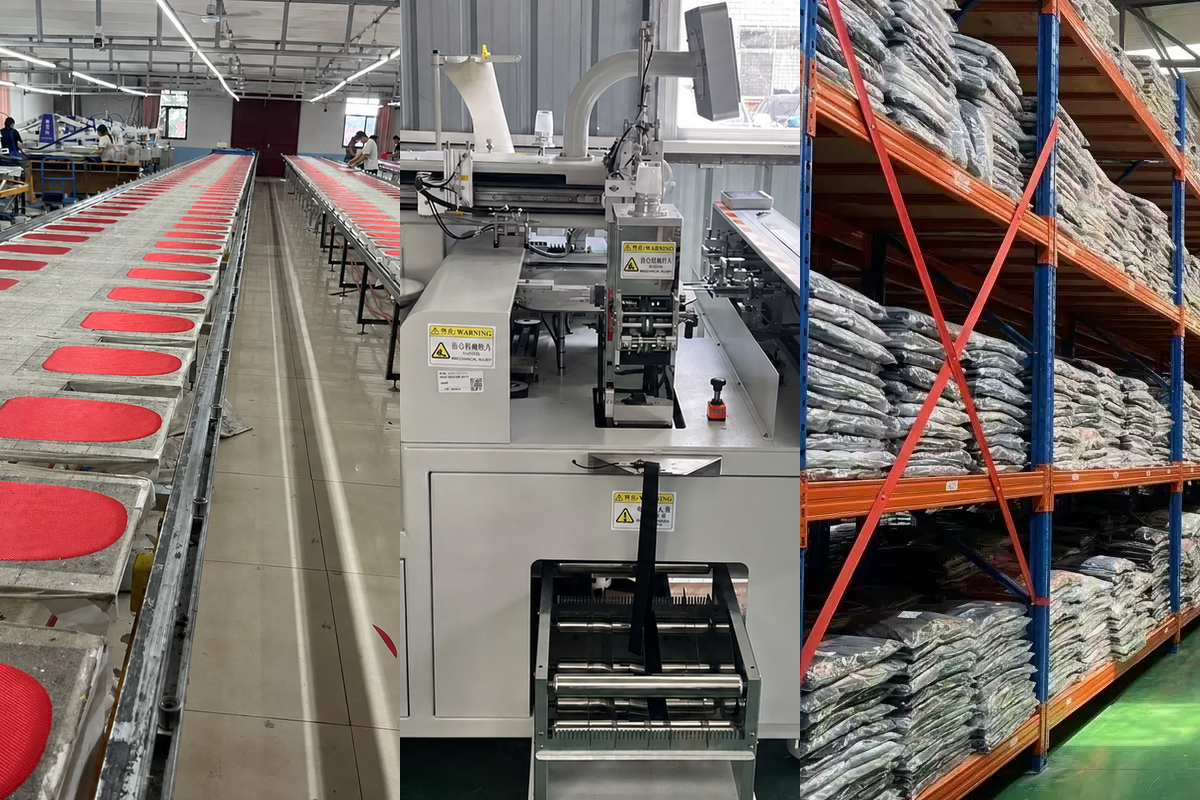
Confirmed carton packing
06
Pack and coordinate dispatch
Apply the confirmed packing, labeling, carton and shipment instructions for the completed order.
The exact development, inspection and production plan is confirmed for each product, specification and buyer requirement, and no image proves every check used for every order.
Made-to-order bag production through an affiliated China factory
Forthright coordinates Truedrape bag projects with an affiliated textile bag factory in China under common ownership. Production follows the agreed project specification and approved sample.
Forthright handles commercial and development coordination. The trading company and affiliated factory are separate legal entities.
Use an agreed representative arrangement to check loading, drawcord access, closed shape and emptying. Confirm the body and round-base dimensions against the drawing rather than assigning a capacity from the image.
02
Seams and handling
Review the single channel, cord exit, cordlock operation, hand-loop attachment and bound side and base seams. Record any puckering, exposed edges or interference, and apply the handling checks agreed for the project.
03
Material and approval record
Match shell, binding, cord and webbing to the approved swatches. Check artwork position with the opening gathered, label wording and packing presentation; retain the agreed specification and sample revision together before bulk approval.
The design name is included below. Share the collection and transport use, representative contents, target dimensions, handling method, textile and artwork direction, quantity per color and target timing. Attach a drawing or brief if available.