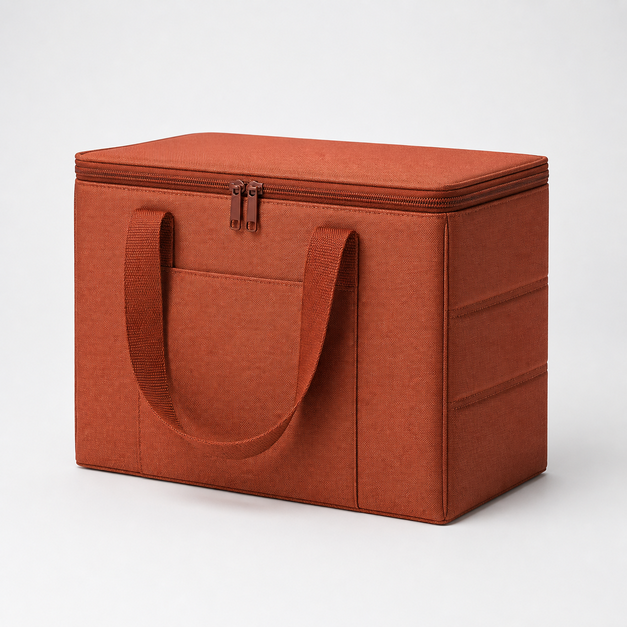
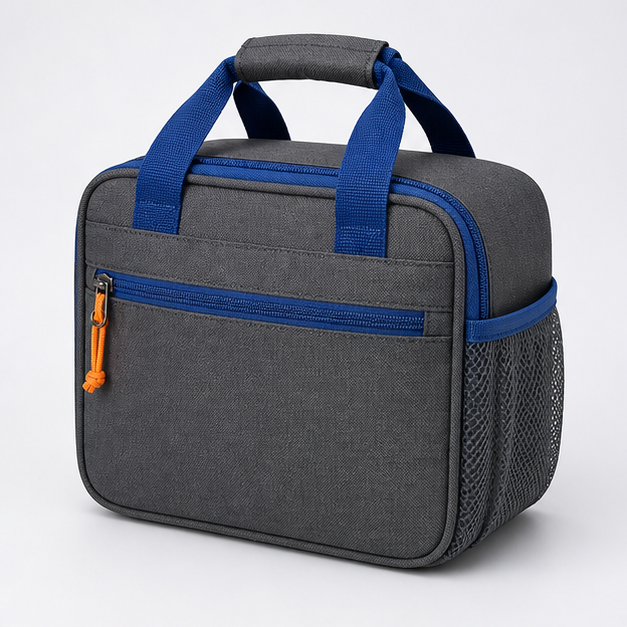
Made-to-order B2B production. Specifications are confirmed through sampling.
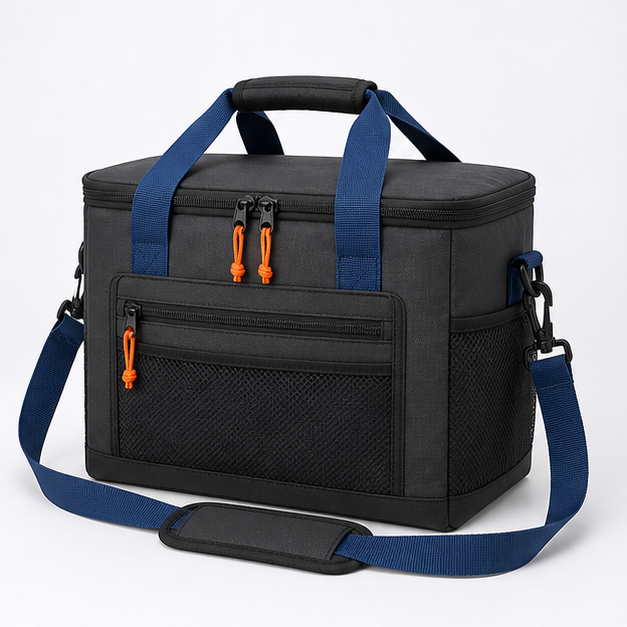
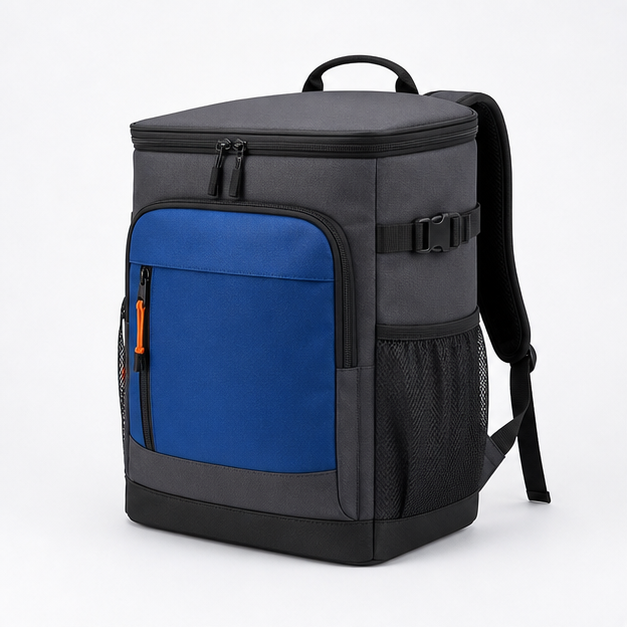
An OEM picnic cooler bag for outdoor-brand, corporate-event and wholesale programs. Define the containers and loaded weight before choosing insulation, lining and strap construction. Any temperature-retention target needs an agreed test.
Look closer at the construction
Use the interior and detail views to discuss your changes.
Internal organization
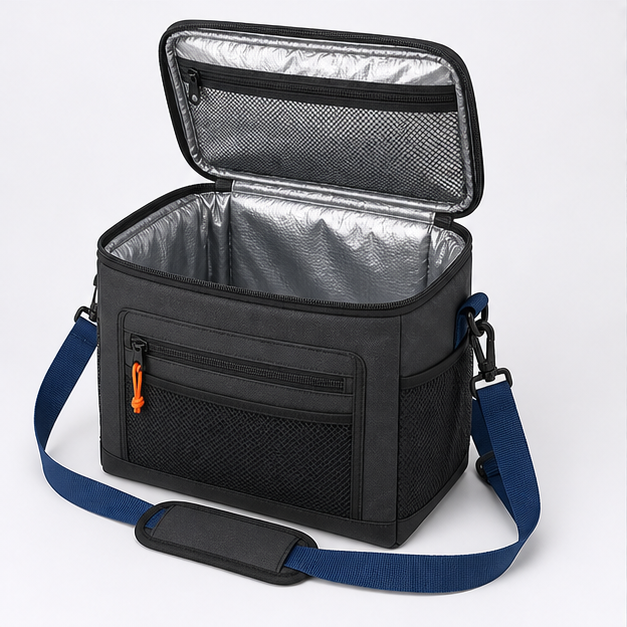
The larger compartment gives a clear starting point for grouping containers and cooling packs. External organization can be discussed without reducing the main packing space.
Large insulated compartment
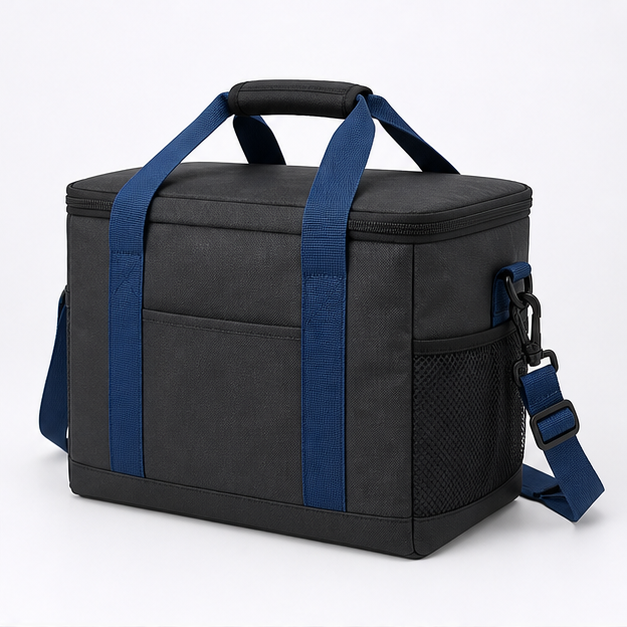
Shoulder strap
External organizer
Fabric and finishing
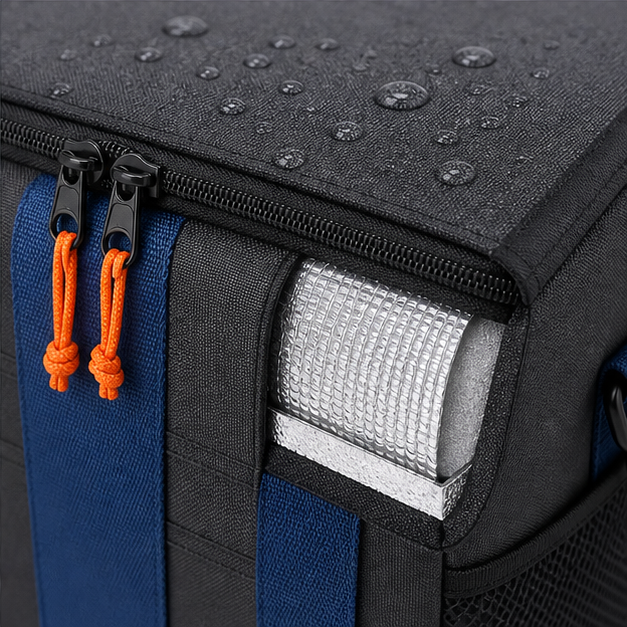
Consider the outer shell, insulation and lining as separate specification decisions. The detail image illustrates construction direction, not a verified thermal or leakage rating.
Water-resistant polyester
Insulated lining
Reference visuals, not production approval. Features, construction and any performance requirement must be confirmed on your sample.
MATERIAL BUILD
Picnic cooler materials
The listed materials are the starting direction for Picnic Cooler Bag. Review the shell, inside finish and support together before approving the production specification.
Outer material
Reference directionWater-resistant polyester
The water-resistant polyester direction must be specified and verified if a claim is needed. The material description alone is not a test result.
Lining & inner finish
Reference directionInsulated lining
Agree the insulated liner stack, internal seam finish and cleaning guidance. Food-contact, leakproof or cooling-duration claims require separate evidence.
Support & structure
Reference directionTo be defined with your sample
Set insulation thickness with the required container layout. Review base support and shoulder attachments at the intended filled weight.
The close-up belongs to this design reference. It does not verify fiber composition, coating, recycled content or performance.
Tell us what should stay, what should change and which details matter most to your program. Options below are discussion points, not a fixed configuration.
Customization options
Capacity
Insulation
Strap
Pocket layout
Size & layout
List containers, bottles and cooling packs with their dimensions. State the carry method and which items need external pockets.
Materials & trims
The reference materials are water-resistant polyester and insulated lining. Share the feel, weight, colors and trim finishes you want to keep or replace; material selection is confirmed before the sample is approved.
Brand & packaging
Send your logo artwork, preferred application, placement dimensions and packaging brief. Confirm colors and decoration on the sample before approving bulk production.
FUNCTIONAL DETAILS
Picnic cooler design decisions
Use these checks to turn the Picnic Cooler Bag reference into a clear development brief.
01
Container arrangement
Choose upright or stacked packing before fixing the internal dimensions. Allow for insulation, seams and any divider.
Buyer questionWhich containers need to remain upright?
02
Shoulder carry
Review strap adjustment and attachment placement with the loaded bag. A larger compartment can change how the bag sits against the body.
Buyer questionWill the filled cooler be carried for short transfers or longer walks?
03
Outer organizer purpose
Keep cutlery and non-chilled accessories in a defined external area if requested. Specify pocket format without assuming the outside section is insulated.
Buyer questionWhich accessories should be reachable without opening the cooler?
Discuss changes before the pattern is finalized. The pictured configuration is not the final specification for your order.
OEM / ODM development process
From an approved direction to a packed custom bag order
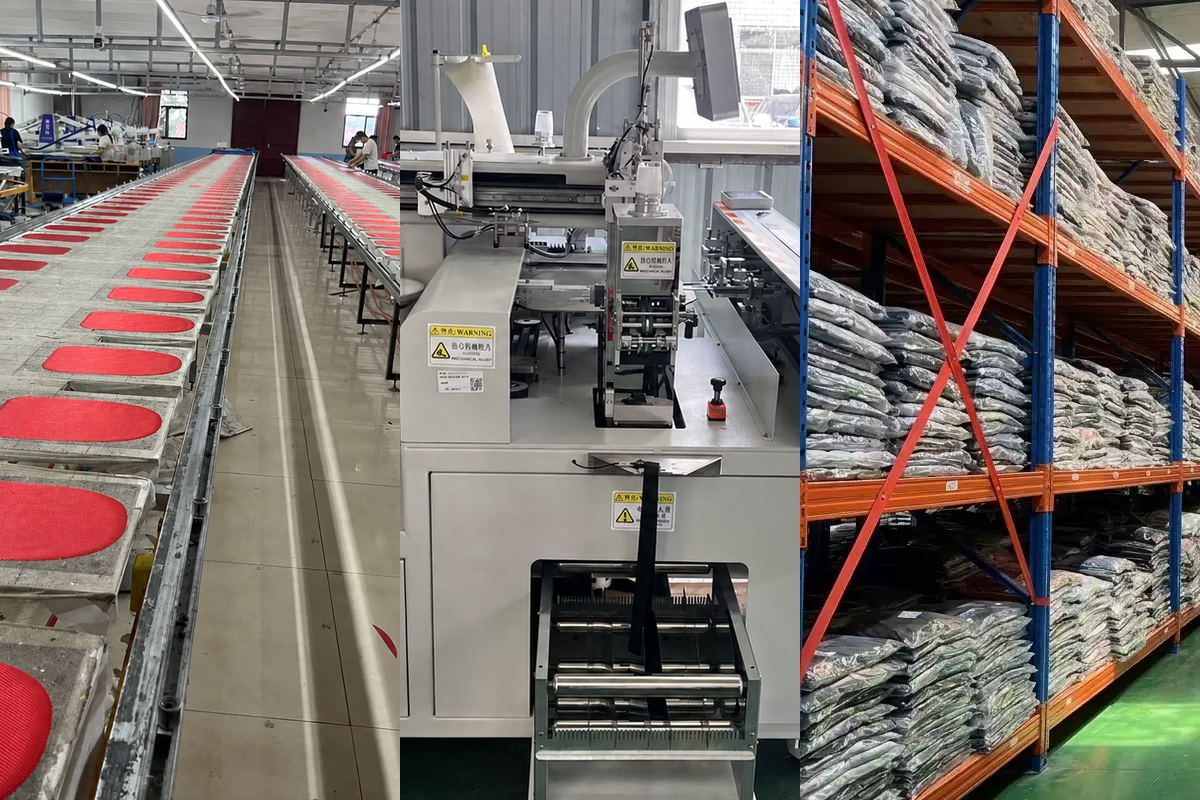
This shared OEM and ODM bag development route shows how a buyer brief moves through sampling, material preparation, sewing, agreed production checkpoints and packing.
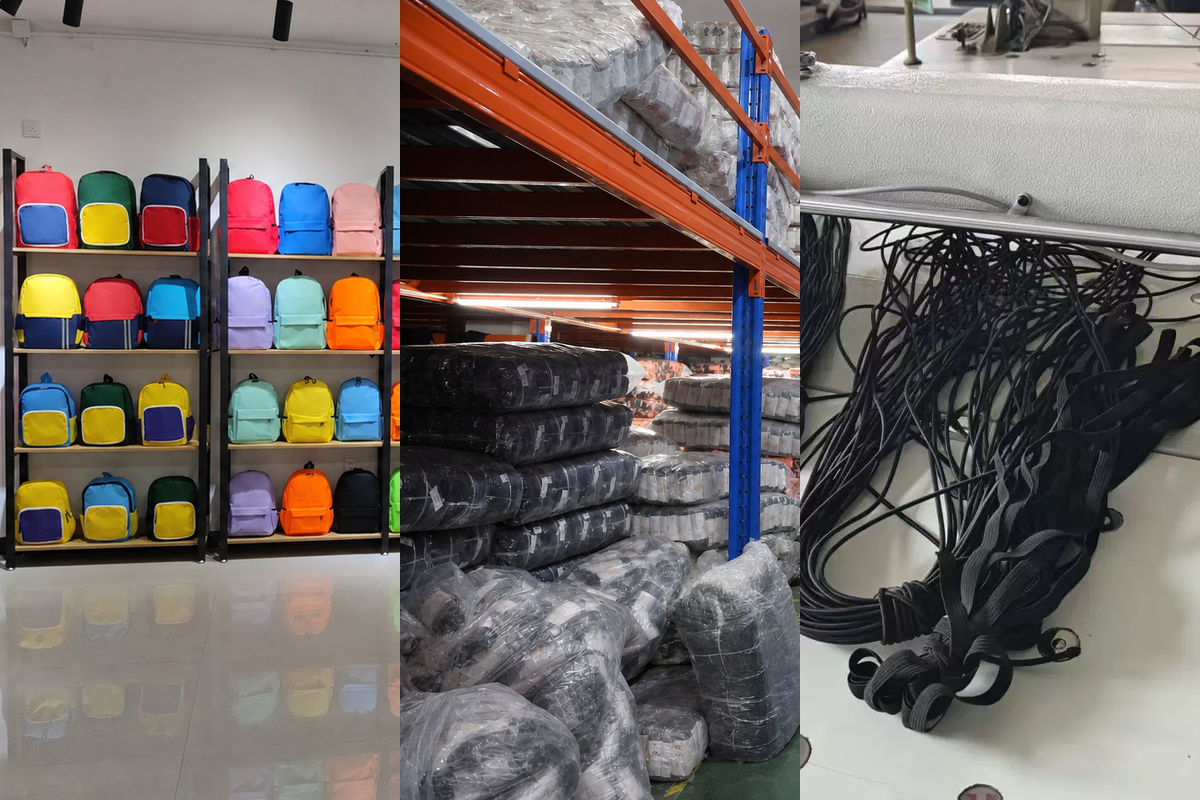
Brief input reference
01
Confirm the brief
Define intended use, dimensions, organization, material direction, branding and packing requirements.
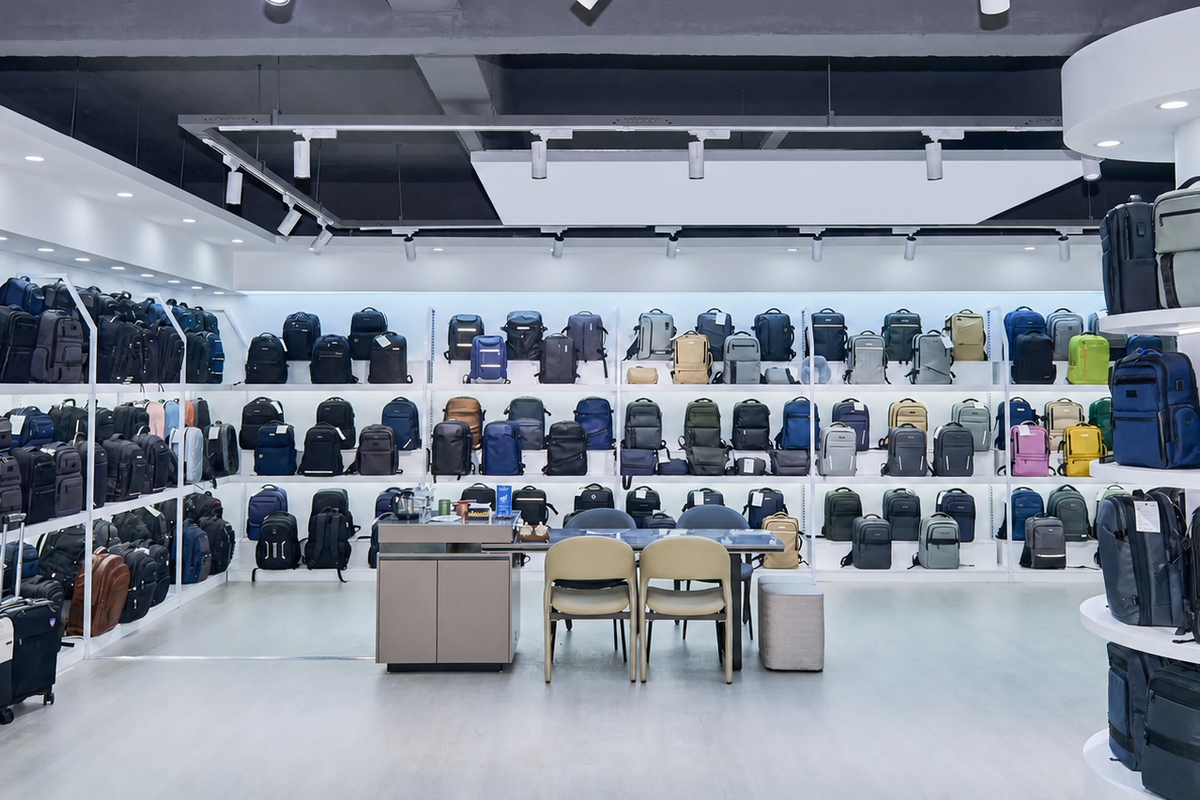
Sample review environment
02
Develop and review the sample
Turn the approved direction into a physical reference and record the revisions needed before production decisions close.
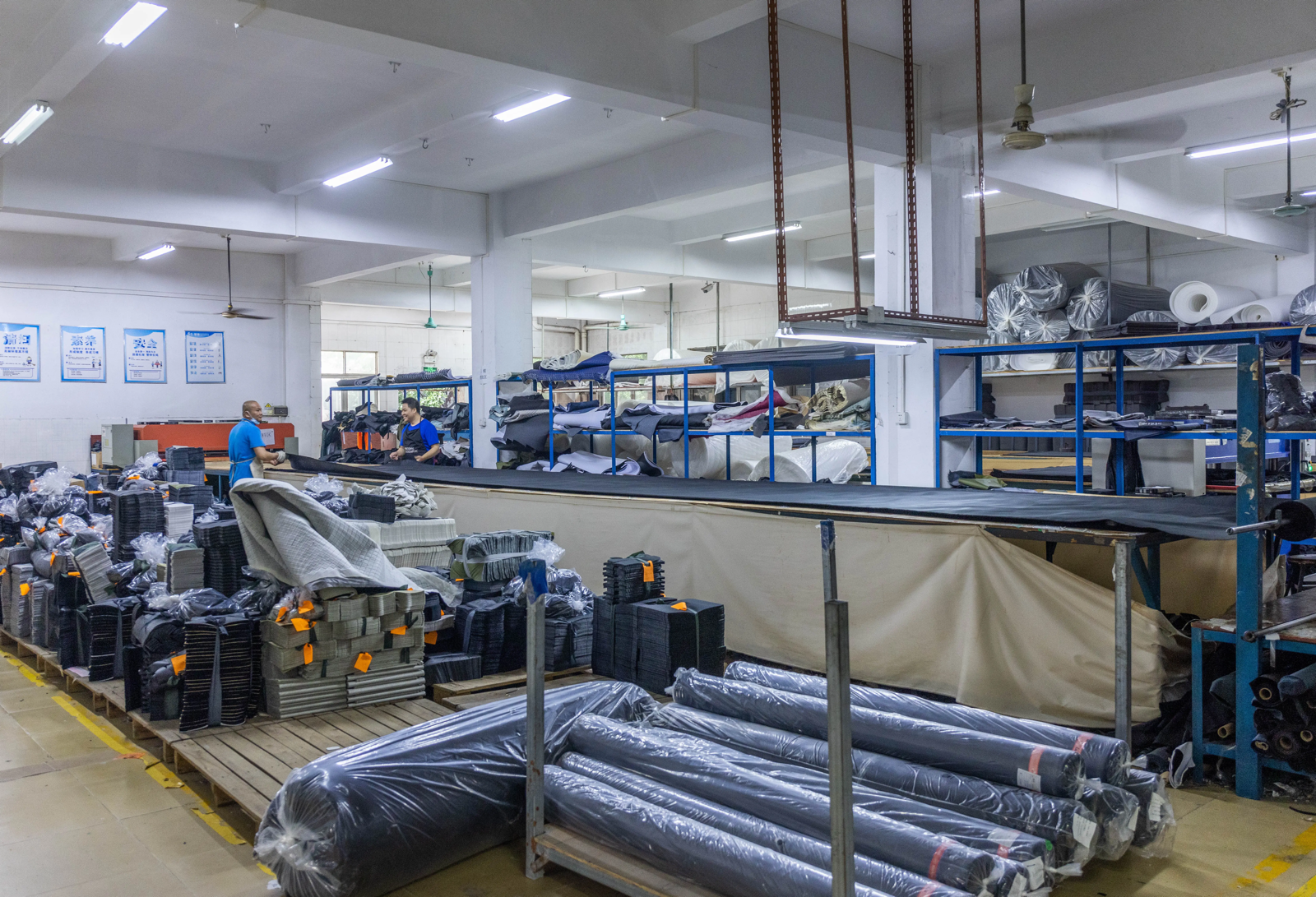
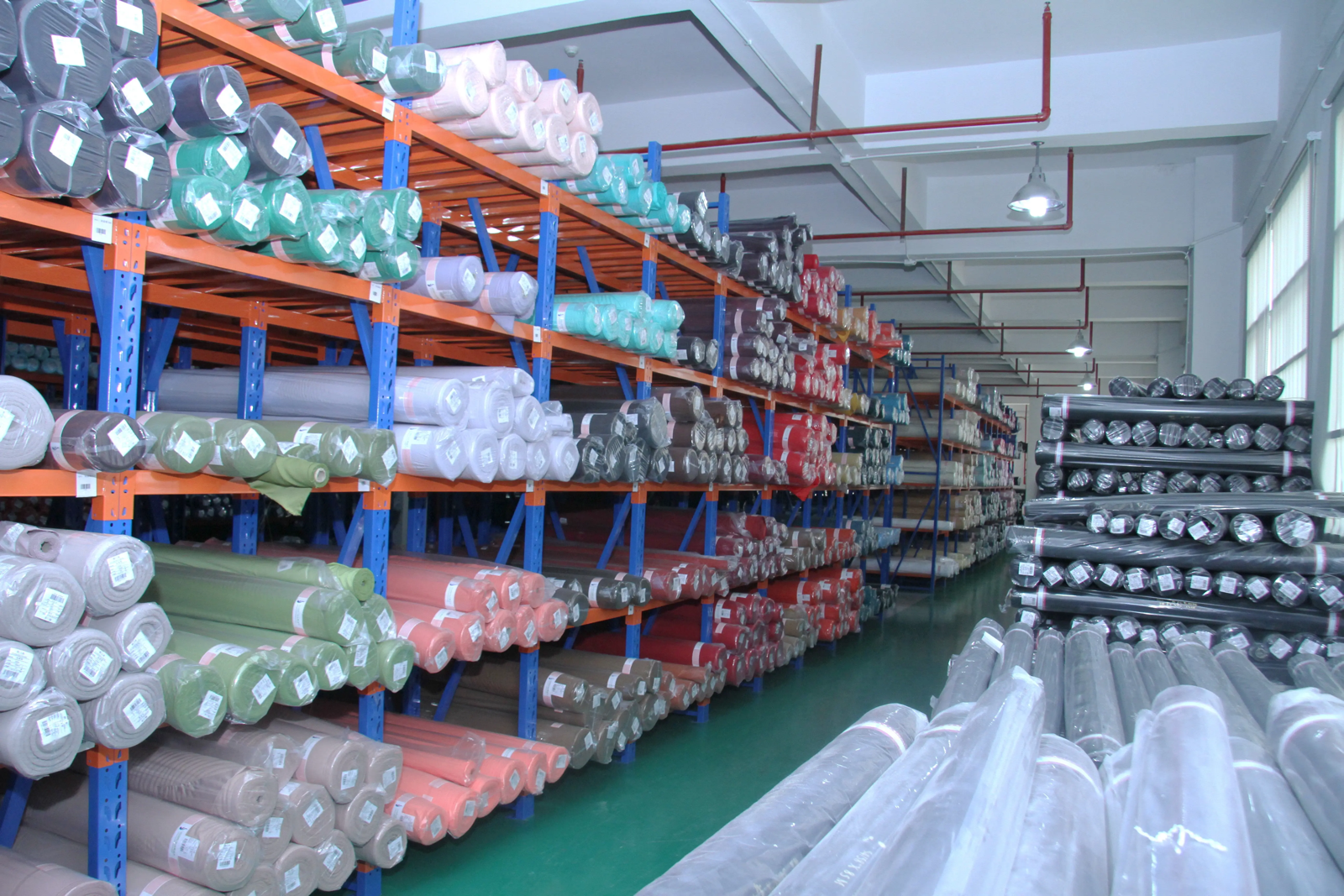
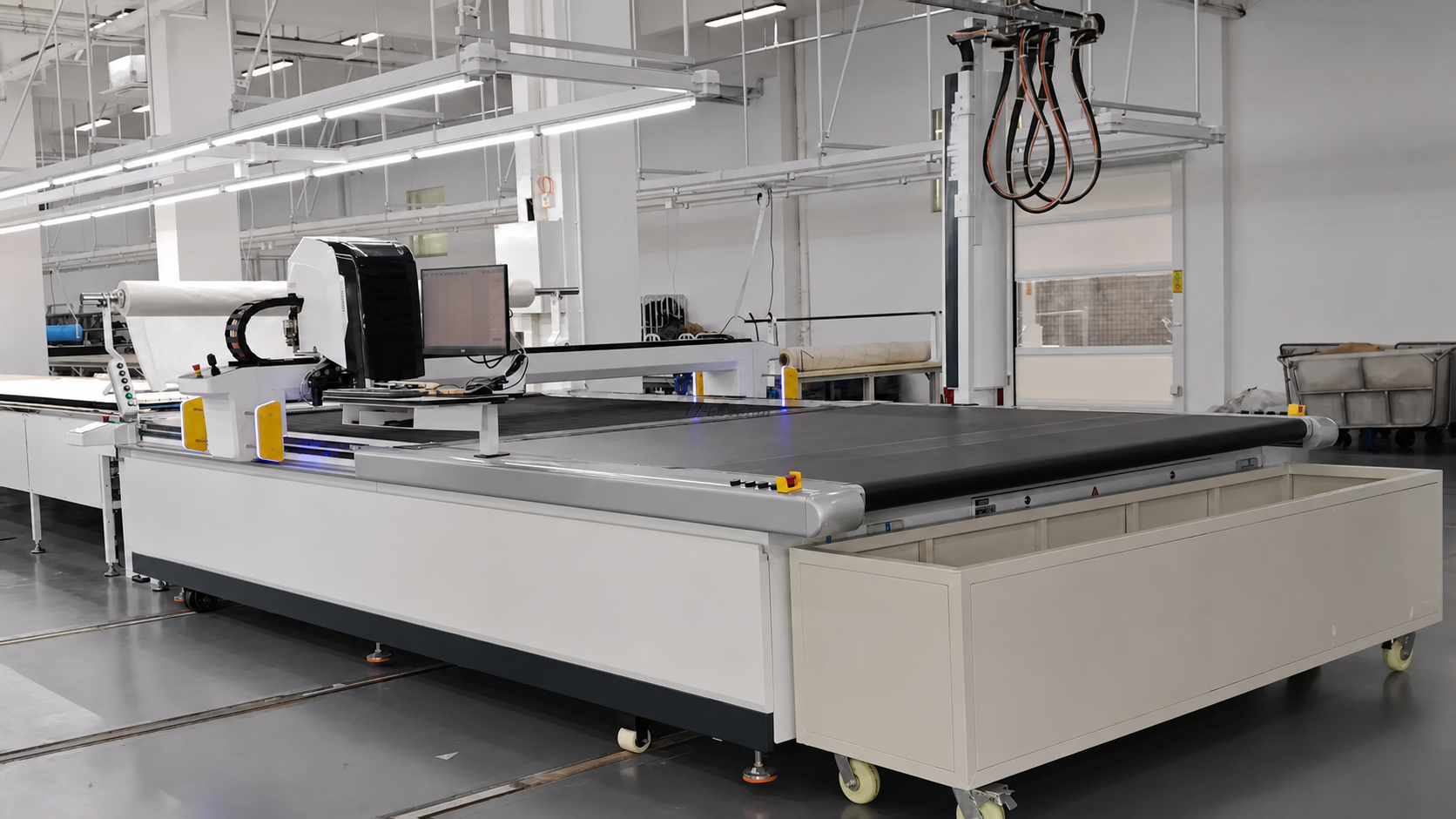
Material and panel preparation
03
Prepare materials and panels
Connect approved construction, components and color direction with material and panel preparation.
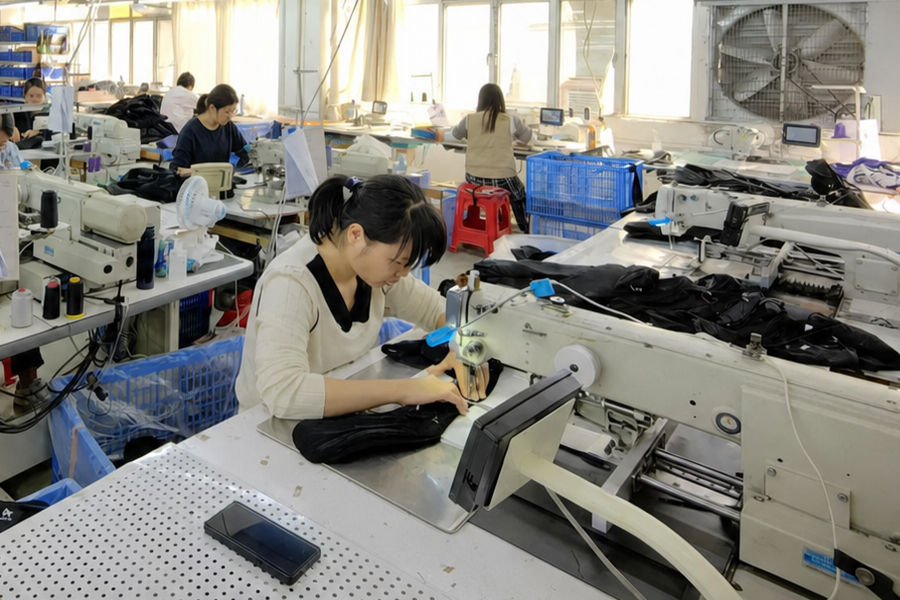
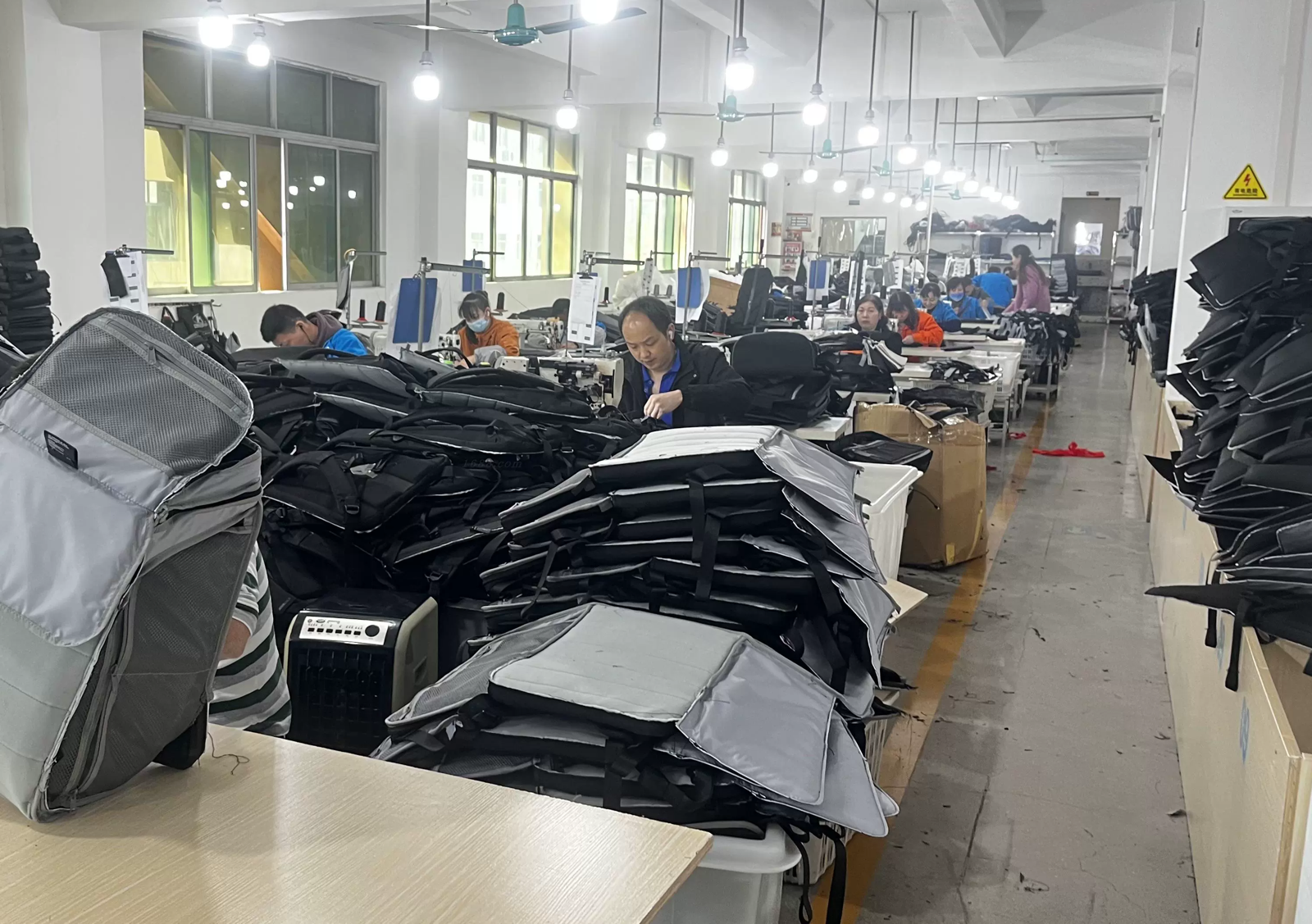
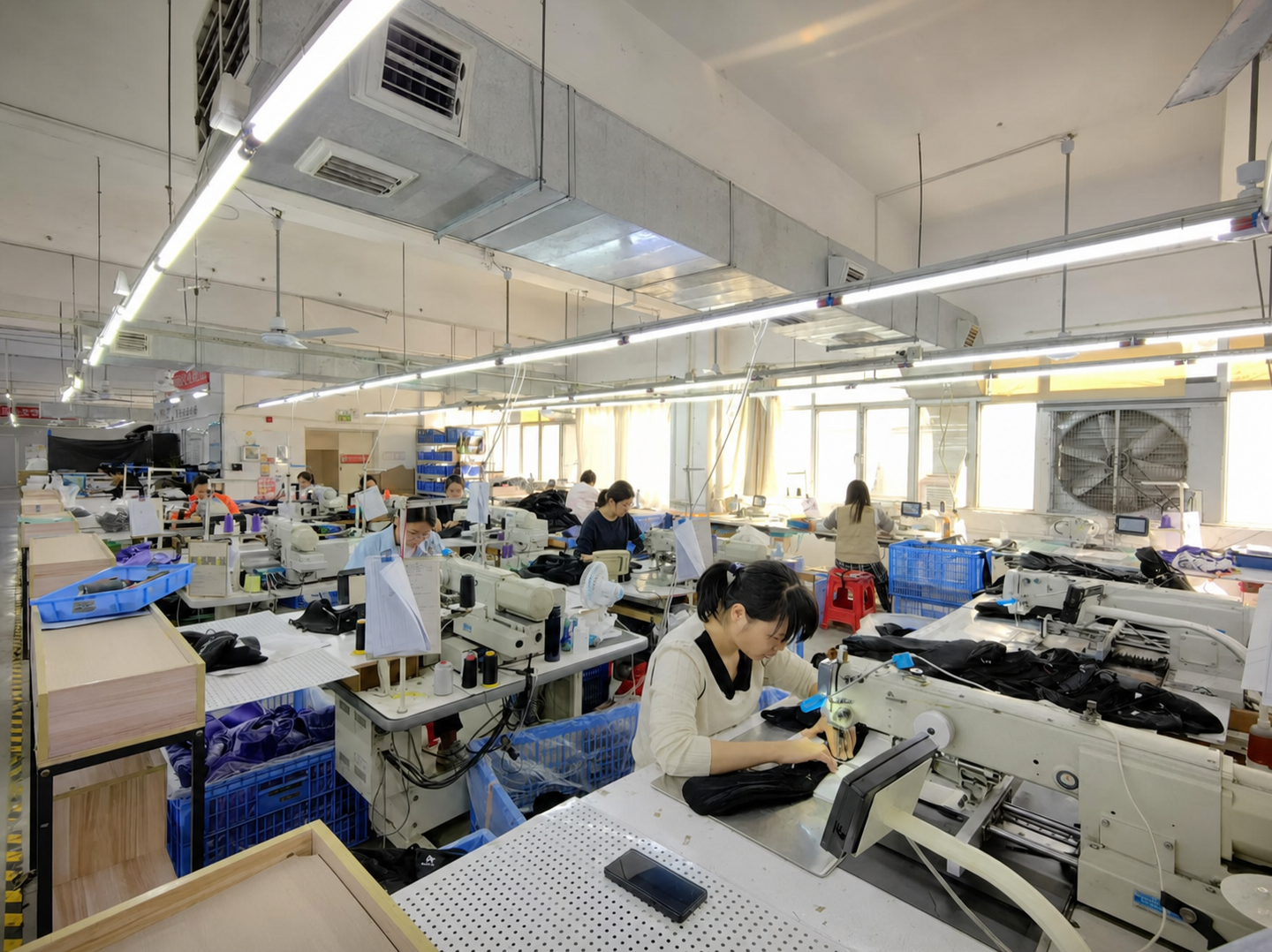
Bag sewing and assembly
04
Sew and assemble
Build the shell, lining, pockets, closures, handles and reinforcement in an agreed sequence.
Checkpoint reference
05
Follow agreed checkpoints
Review workmanship, dimensions, function, branding and order identity against the approved references for the programme.
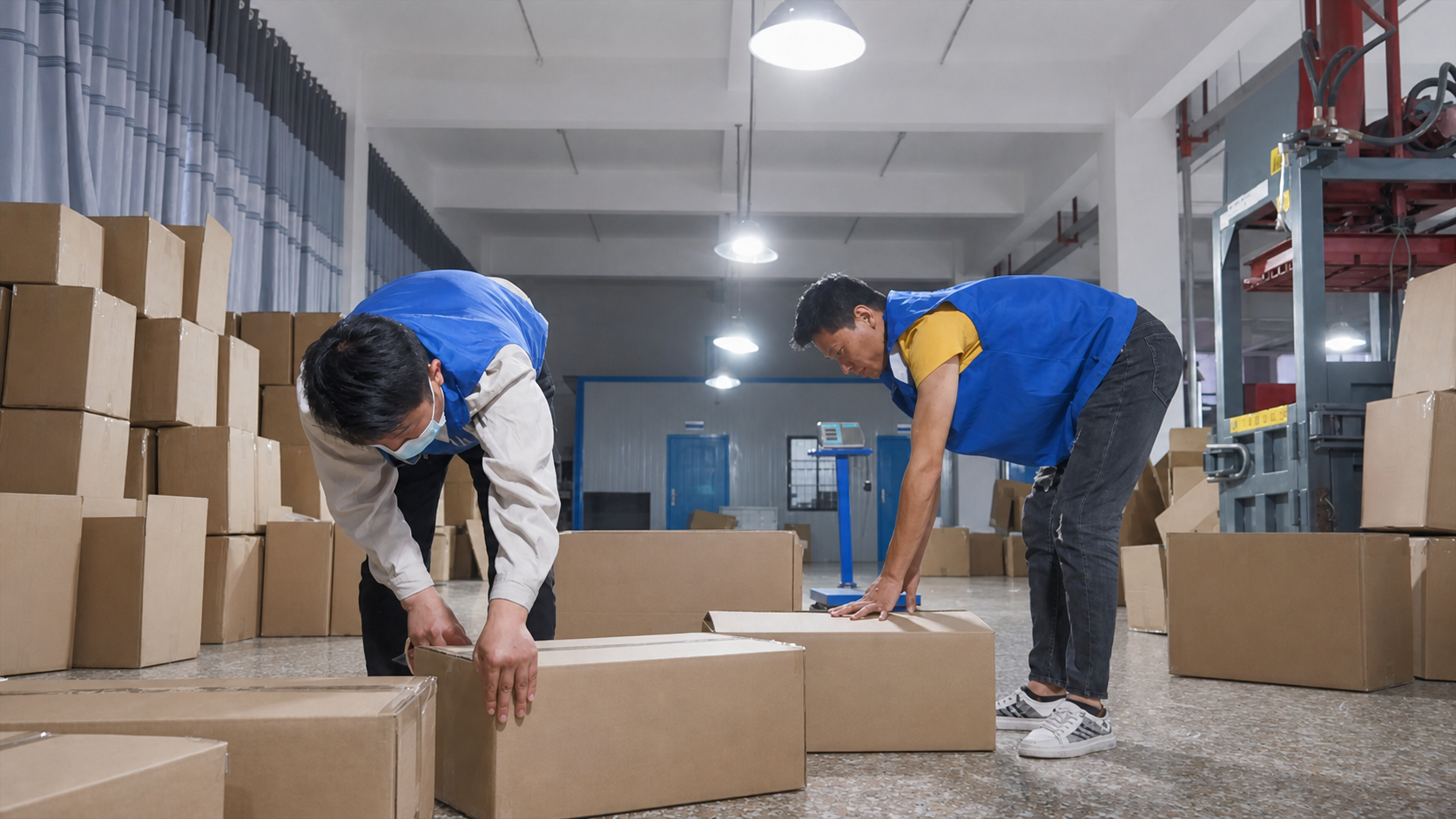
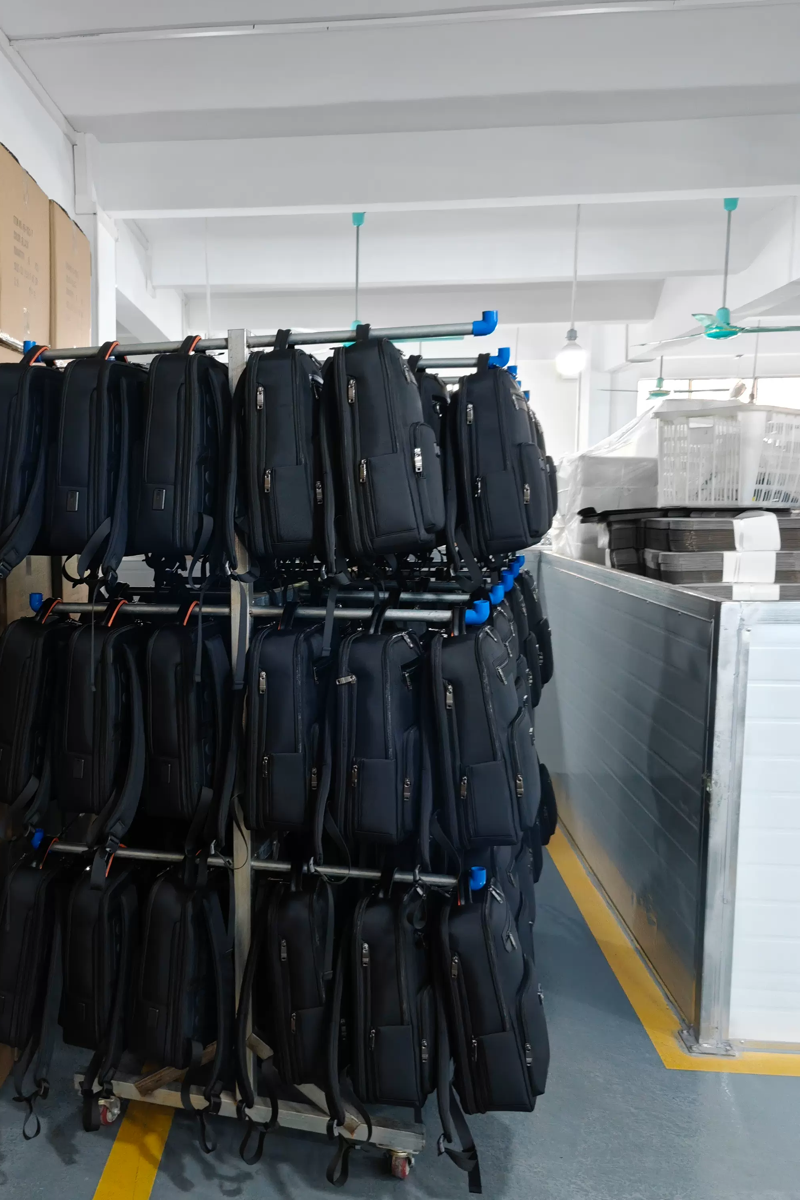
Confirmed carton packing
06
Pack and coordinate dispatch
Apply the confirmed packing, labeling, carton and shipment instructions for the completed order.
The exact development, inspection and production plan is confirmed for each product, specification and buyer requirement, and no image proves every check used for every order.
Made-to-order bag production through an affiliated China factory
Forthright coordinates Truedrape bag projects with an affiliated textile bag factory in China under common ownership. Production follows the agreed project specification and approved sample.
Forthright handles commercial and development coordination. The trading company and affiliated factory are separate legal entities.