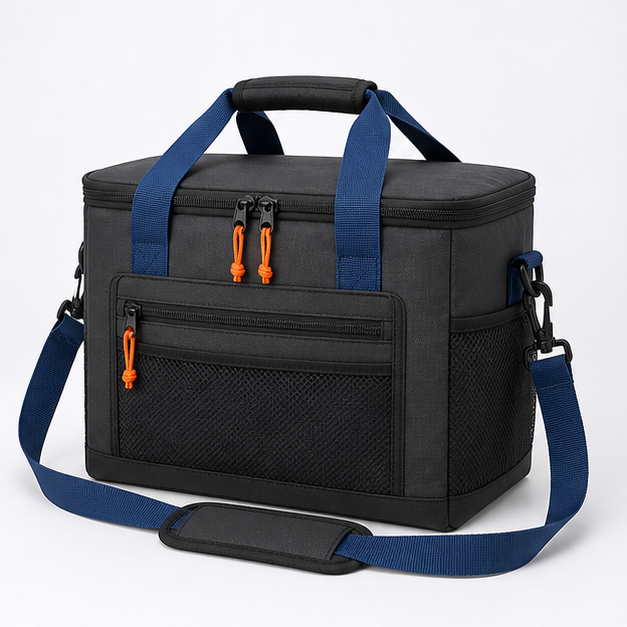
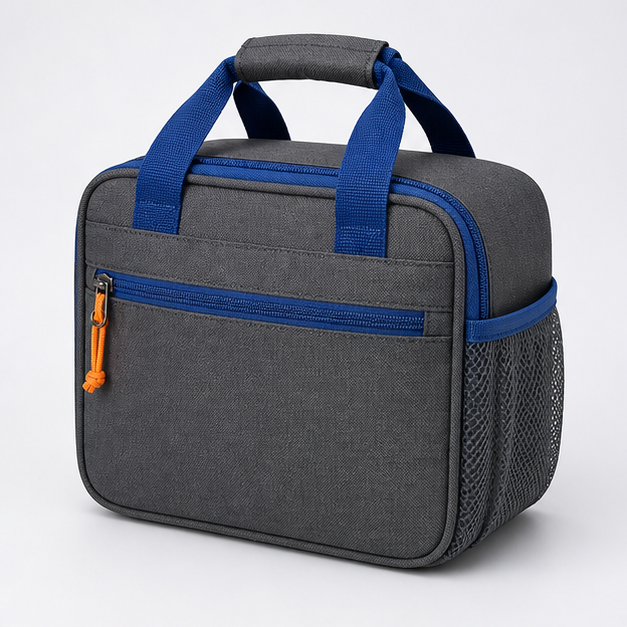
Made-to-order B2B production. Specifications are confirmed through sampling.
Develop custom foldable cooler bags for grocery, event and branded B2B programs using this fold-flat tote reference. Define the intended contents, stored shape, base support and lining build before sampling. Thermal, leakage and repeated-fold requirements need separately agreed tests.
Look closer at the construction
Use the interior and detail views to define the fold path, opening and lining specification.
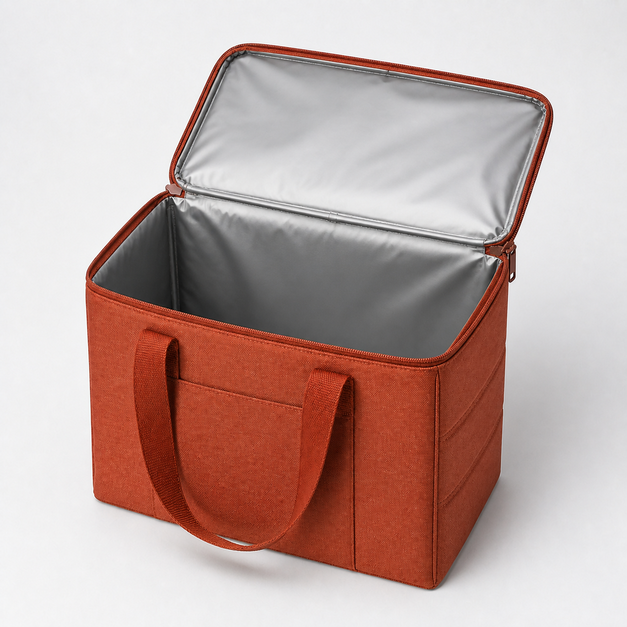
Open undivided interior
The silver-gray interior remains undivided so the buyer can define usable space around the intended contents. Confirm how the lid, lining and base behave through repeated sample folding.
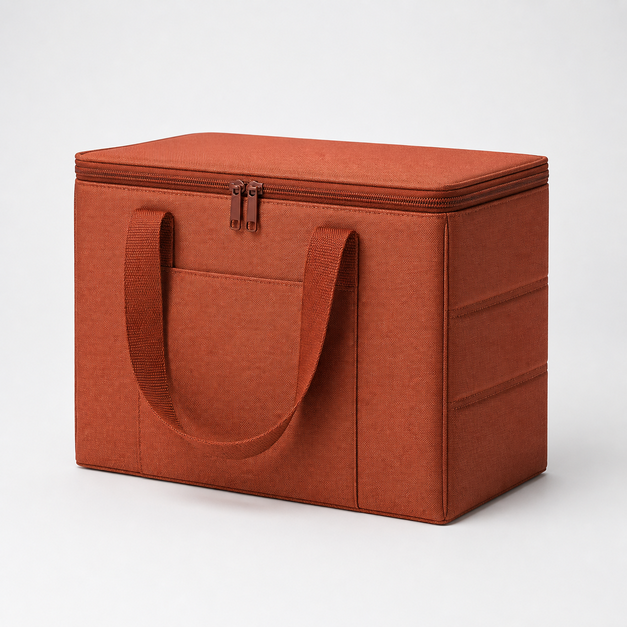
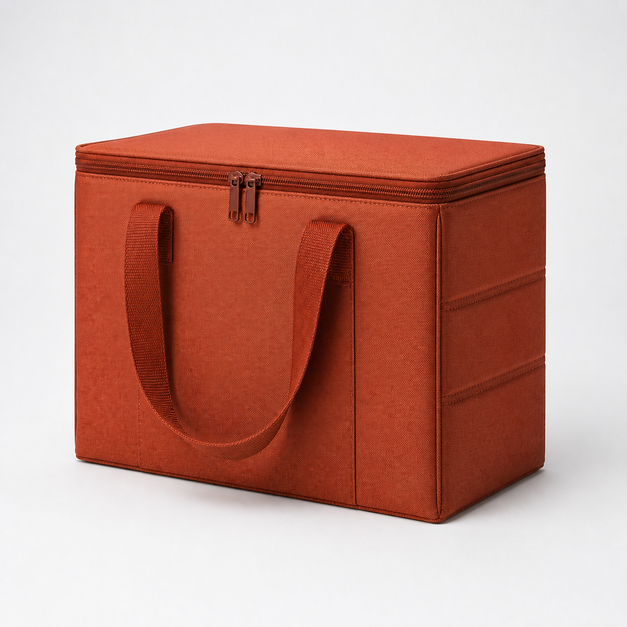
Soft rectangular body with zip lid
Two short carry handles
Front slip pocket
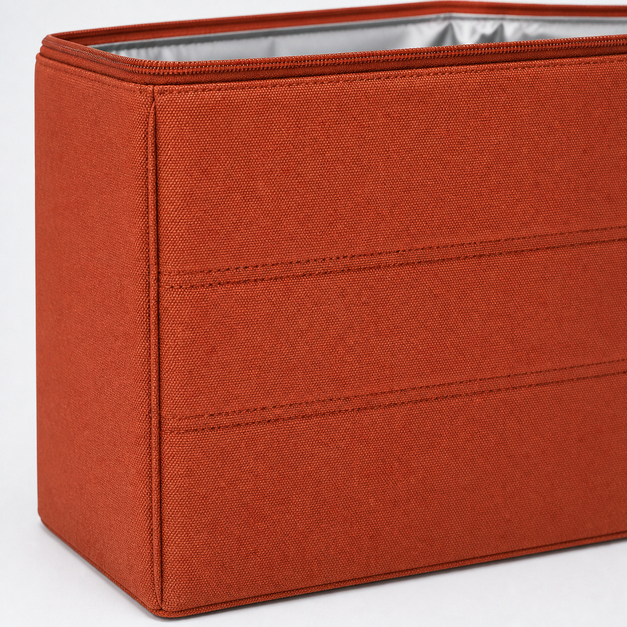
Two side fold lines for a flat stored form
Fold seam and inner finish
The side fold lines are construction directions to develop with the shell, insulation and lining. The reference does not establish cooling duration, leakage resistance, waterproofing or tested fold performance.
Warm terracotta woven shell direction
Silver-gray insulated lining direction
Reference visuals, not production approval. Features, construction and any performance requirement must be confirmed on your sample.
MATERIAL BUILD
Fold-flat cooler materials
The listed materials define a direction for Market Fold-Flat Cooler. Confirm composition, thickness, finish and fold compatibility as part of the approved project specification.
Outer material
Reference directionWarm terracotta woven shell direction
Review the chosen shell across the rectangular body, front slip pocket and two side fold lines. Color and surface are approved against the physical sample.
Lining & inner finish
Reference directionSilver-gray insulated lining direction
Specify the full lining and insulation stack for the intended contents and fold path. Cleaning, contact and thermal requirements need separate confirmation and agreed evidence.
Fold path & base
Reference directionTo be defined with your sample
Confirm the two soft fold hinges and base-support direction in both erected and flat states. The approved sample defines the final stored form.
The close-up belongs to this design reference. It does not verify fiber composition, coating, certification, performance or production capability.
Tell us what should stay, what should change and which details matter most to your program. These options are development decisions, not a fixed configuration.
Customization options
Body proportion and fold path
Base support direction
Shell and lining
Handle and decoration
Body & fold path
Share the intended contents and stored-form requirement. Confirm body proportion, fold-line positions and base-support direction on the sample.
Materials & handles
Review the terracotta shell and silver-gray lining direction, then specify insulation, zipper, handle construction and trim finishes for project approval.
Brand & packaging
Send artwork, preferred application, placement and packaging brief. Confirm decoration and the agreed folded packing arrangement on the approved sample.
FUNCTIONAL DETAILS
Define the folded form before requesting a quote
Compare supplier proposals against the same erected size, folded shape and base arrangement. A fold-flat label alone does not tell you how the bag closes, packs or supports its contents.
01
Fold-line position
Specify the required stored dimensions and show the two side fold lines on the drawing. Review the erected and flattened sample with the lining and zipper installed.
Buyer questionWhat stored shape should the approved sample reach?
02
Base support
Ask each proposal to state whether the base support remains attached, moves with the fold or is removed. Review any extra part and its packing position on the sample before treating quotations as equivalent.
Buyer questionHow should the base behave when the tote is folded?
03
Opening & carry
Review zipper access, short-handle drop and front-pocket usability with the intended contents in place.
Buyer questionWhich contents and carry routine should the sample be built around?
The pictured construction is a design reference. Final fold behavior and any performance criteria belong to the agreed sample specification.
OEM / ODM development process
From an approved direction to a packed custom bag order
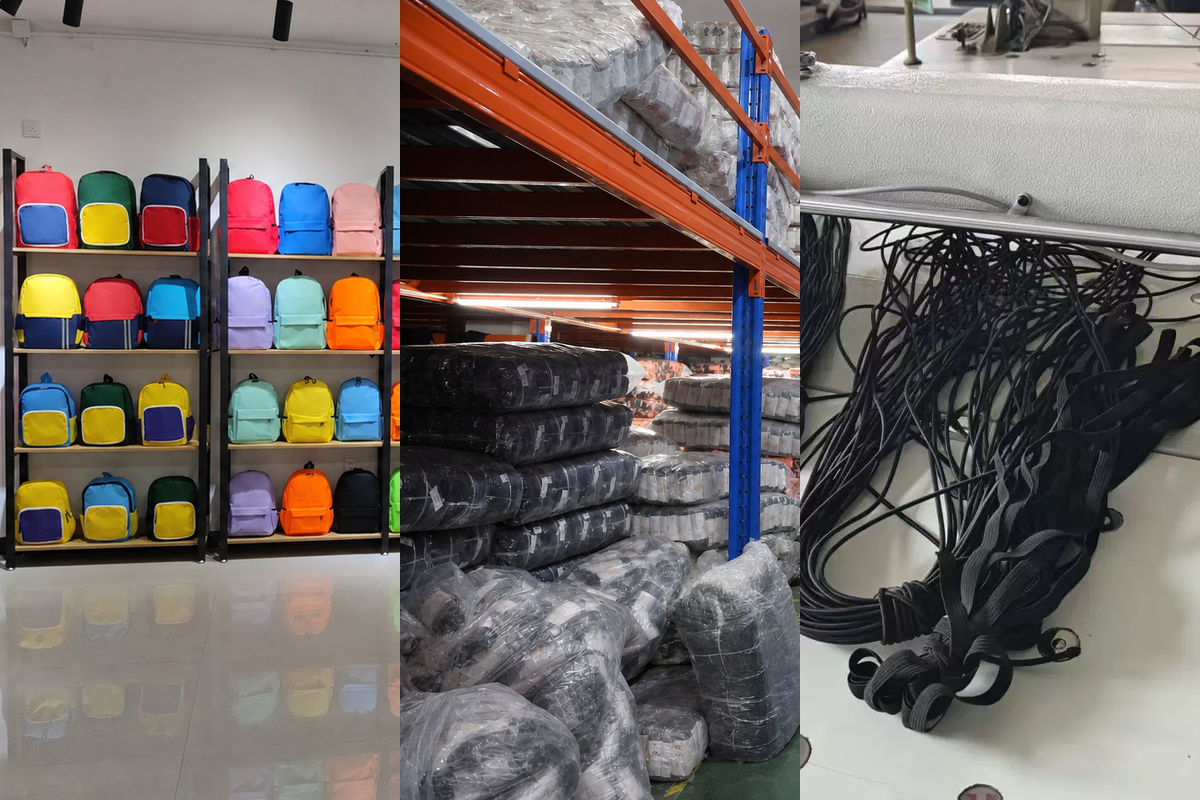
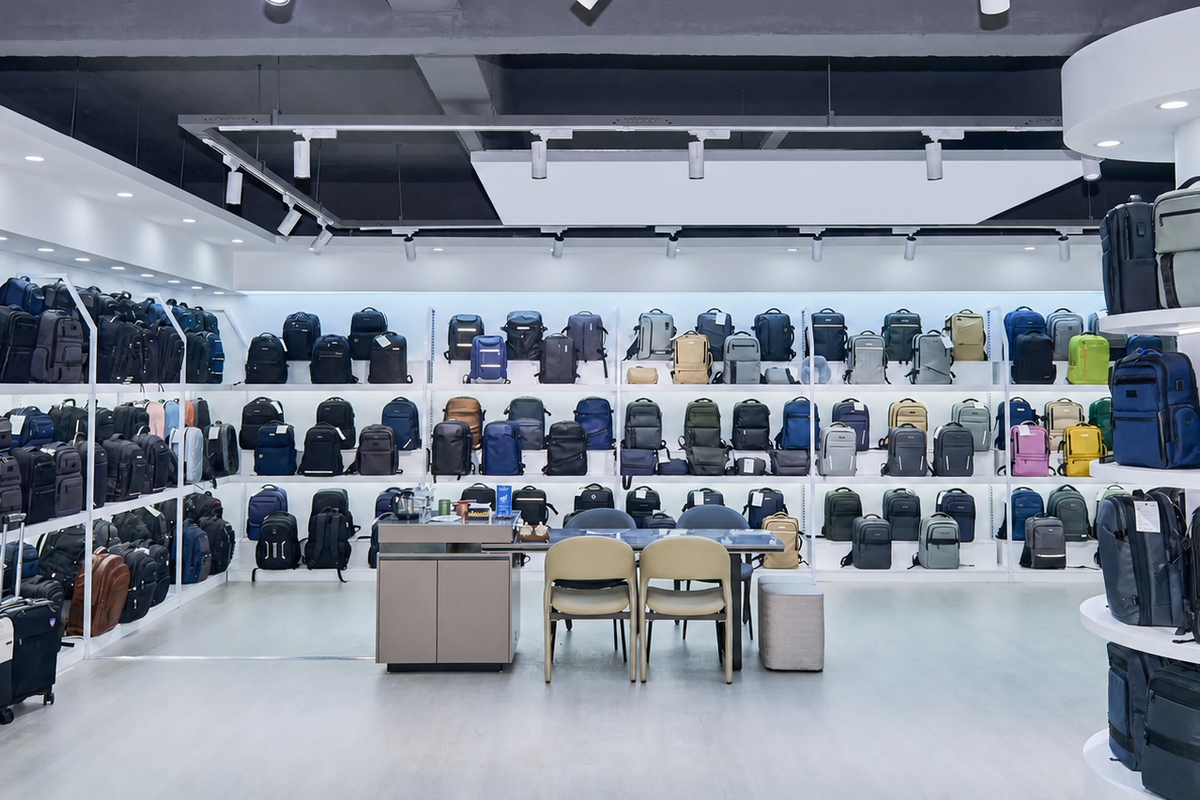
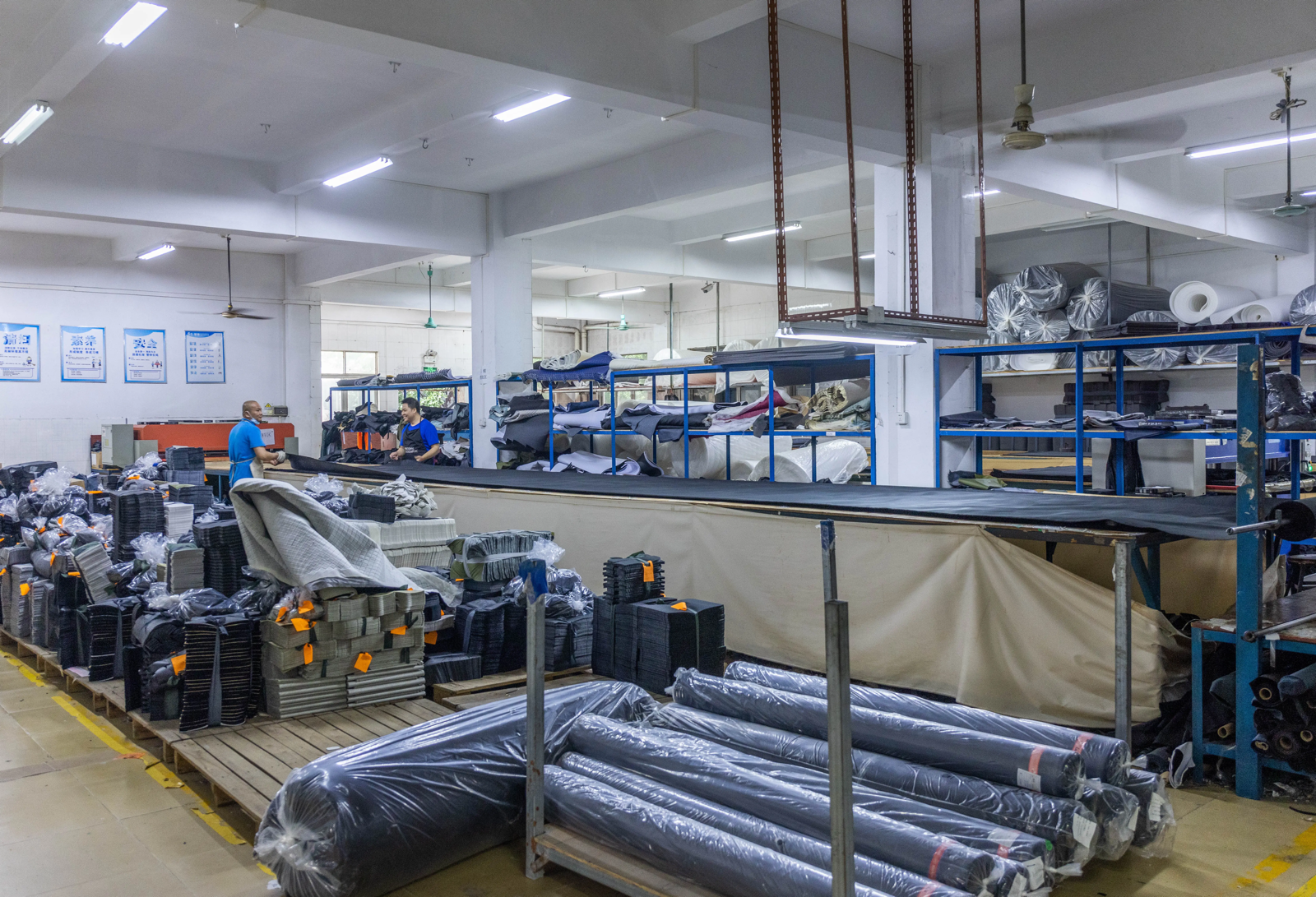
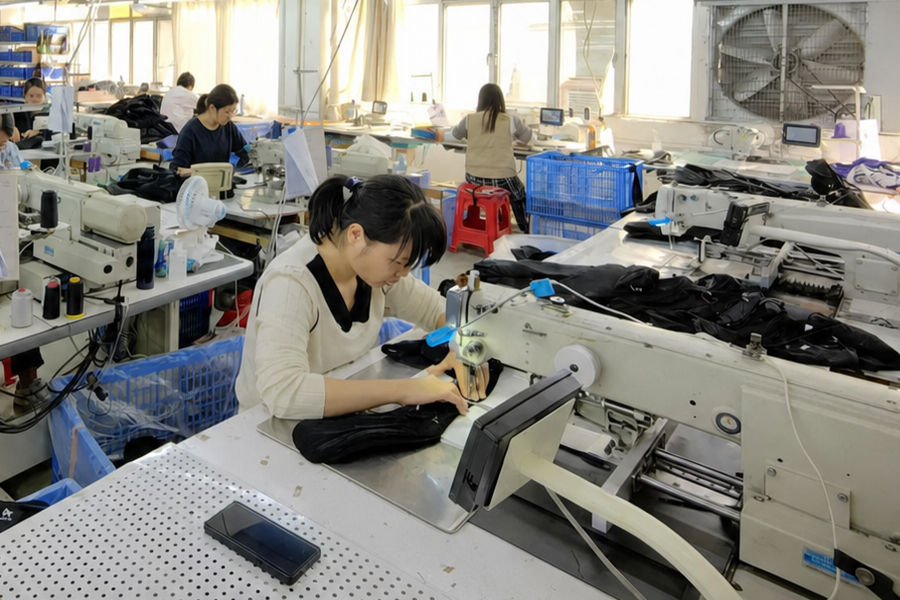
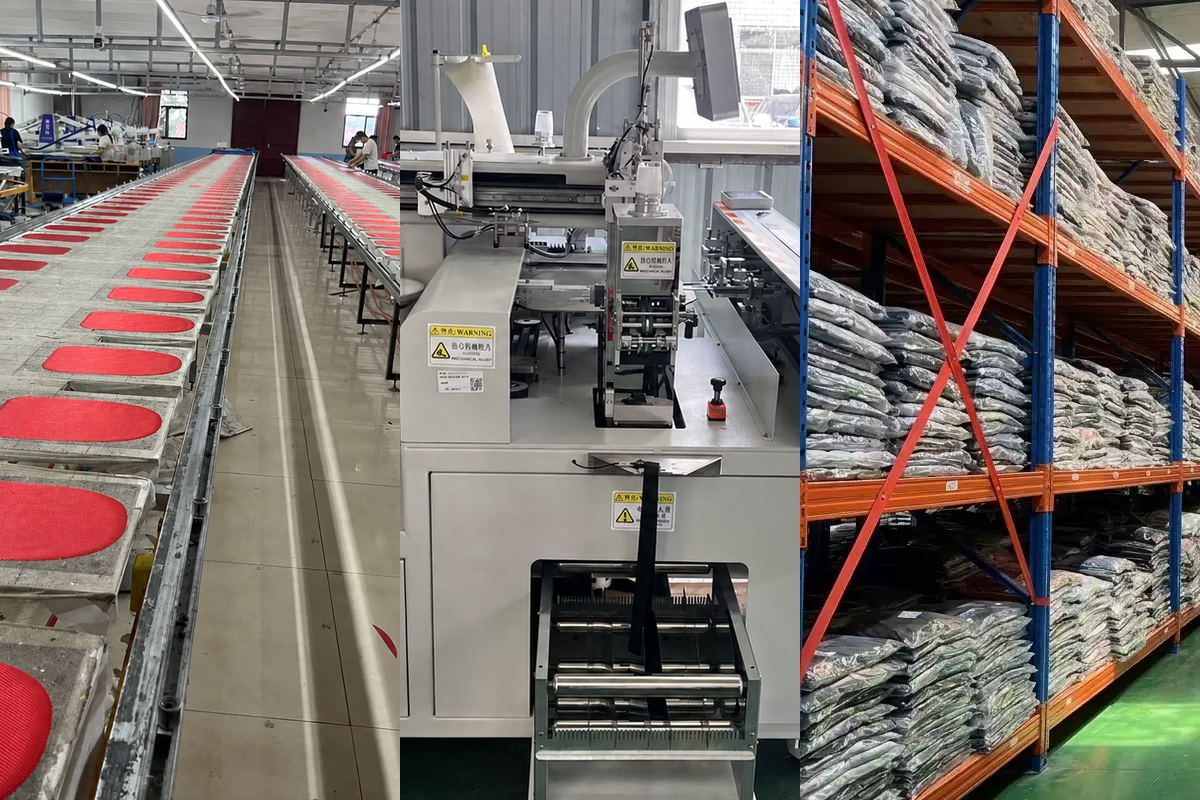
This shared OEM and ODM bag development route shows how a buyer brief moves through sampling, material preparation, sewing, agreed production checkpoints and packing.
Brief input reference
01
Confirm the brief
Define intended use, dimensions, organization, material direction, branding and packing requirements.
Sample review environment
02
Develop and review the sample
Turn the approved direction into a physical reference and record the revisions needed before production decisions close.
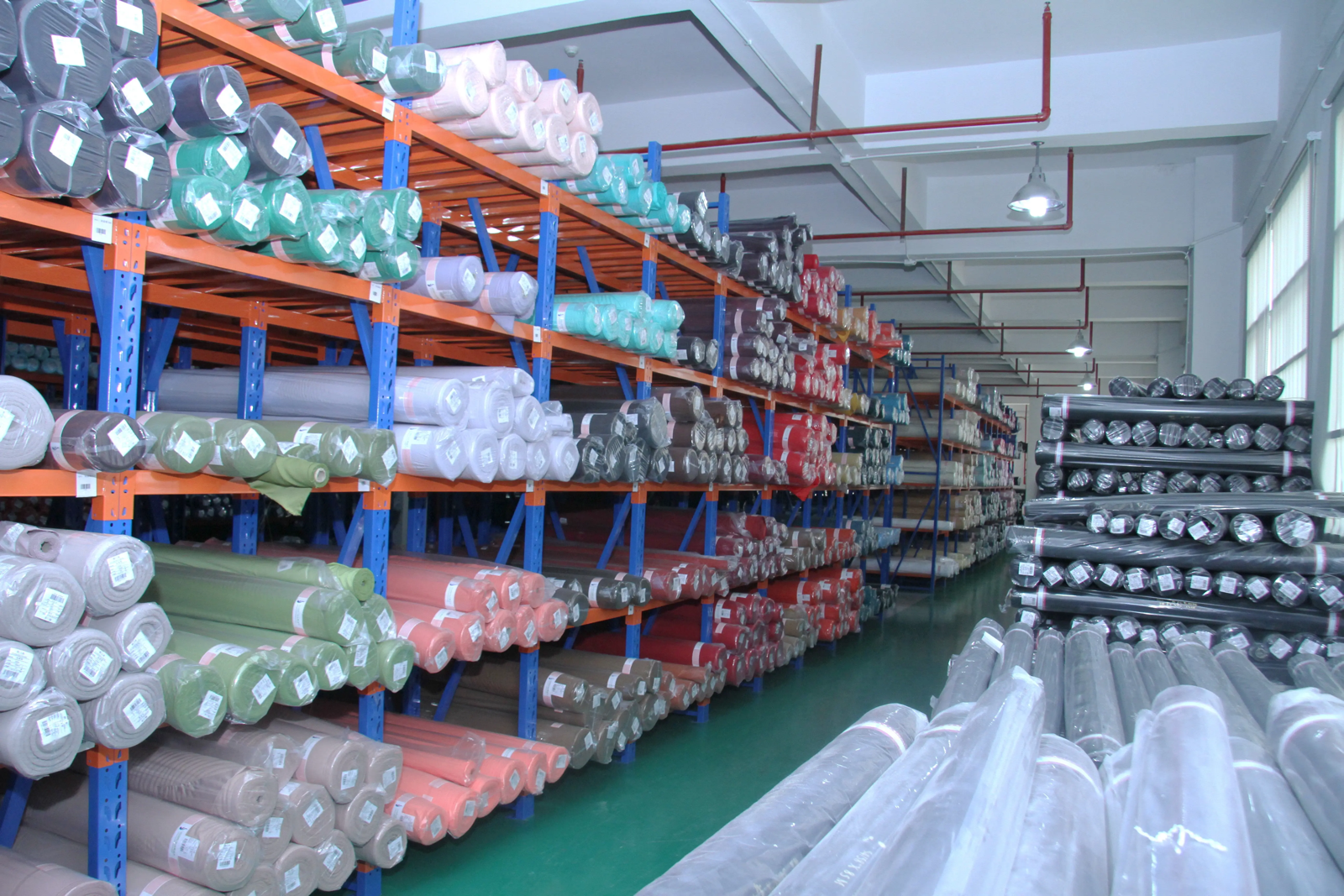
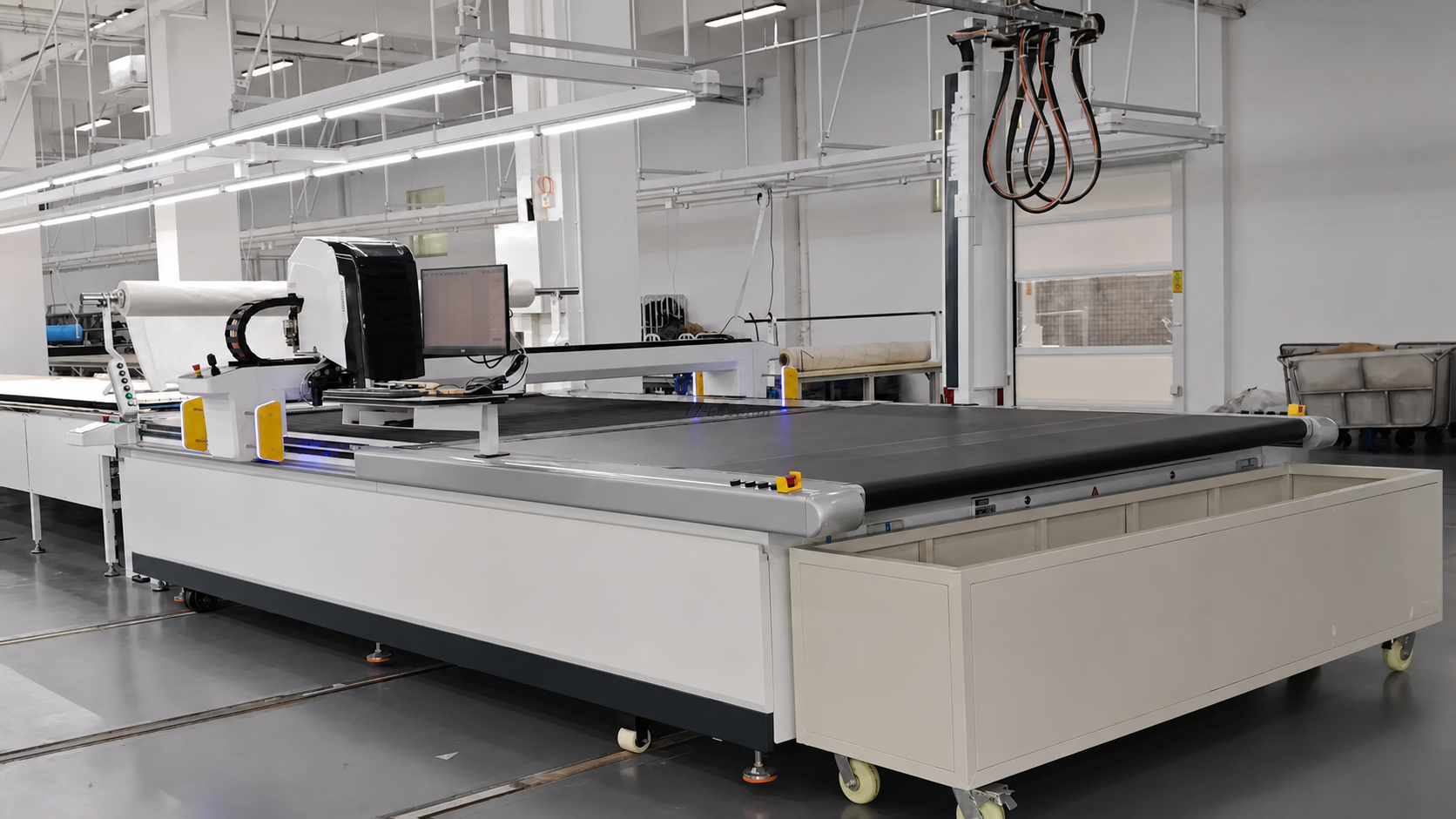
Material and panel preparation
03
Prepare materials and panels
Connect approved construction, components and color direction with material and panel preparation.
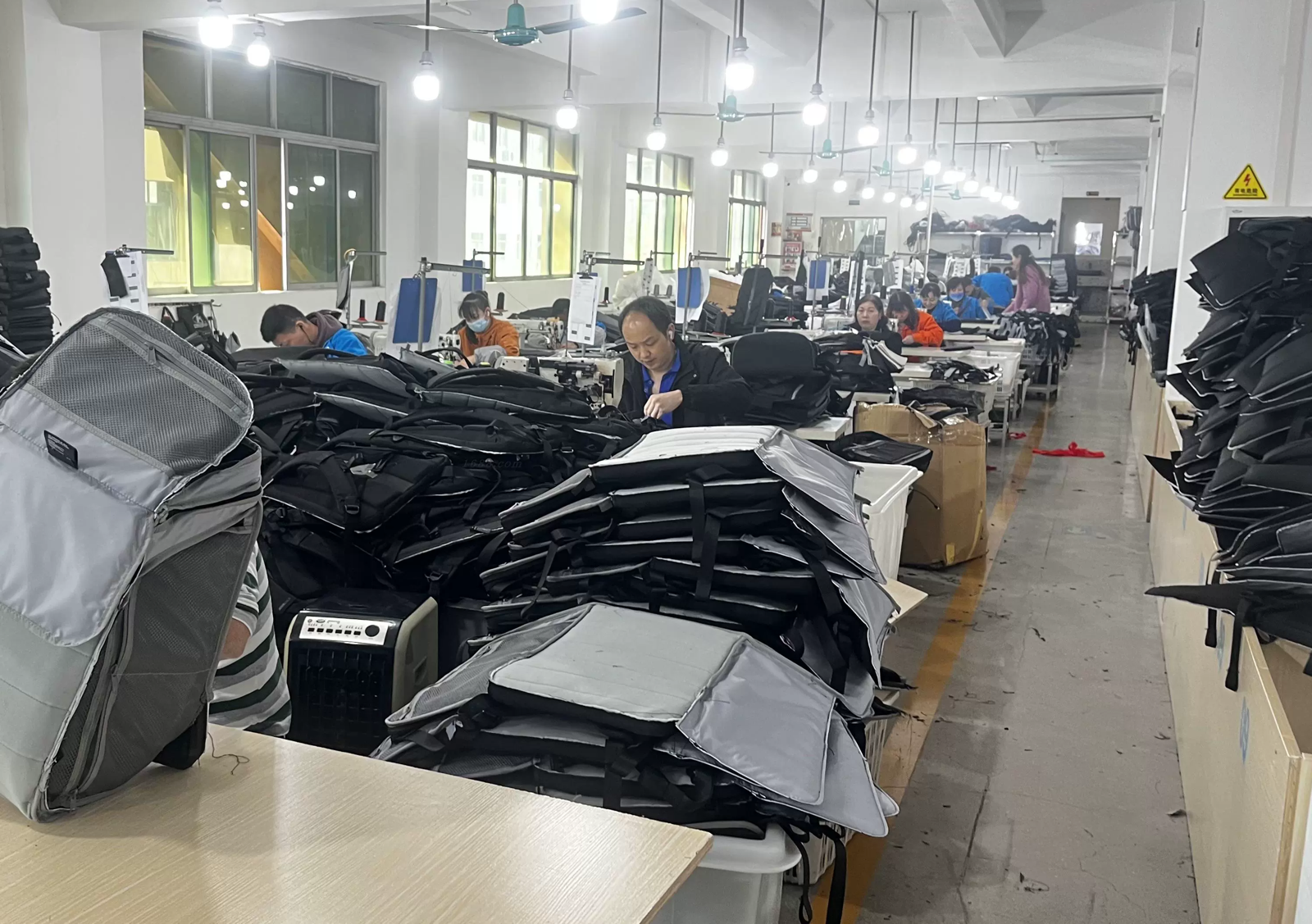
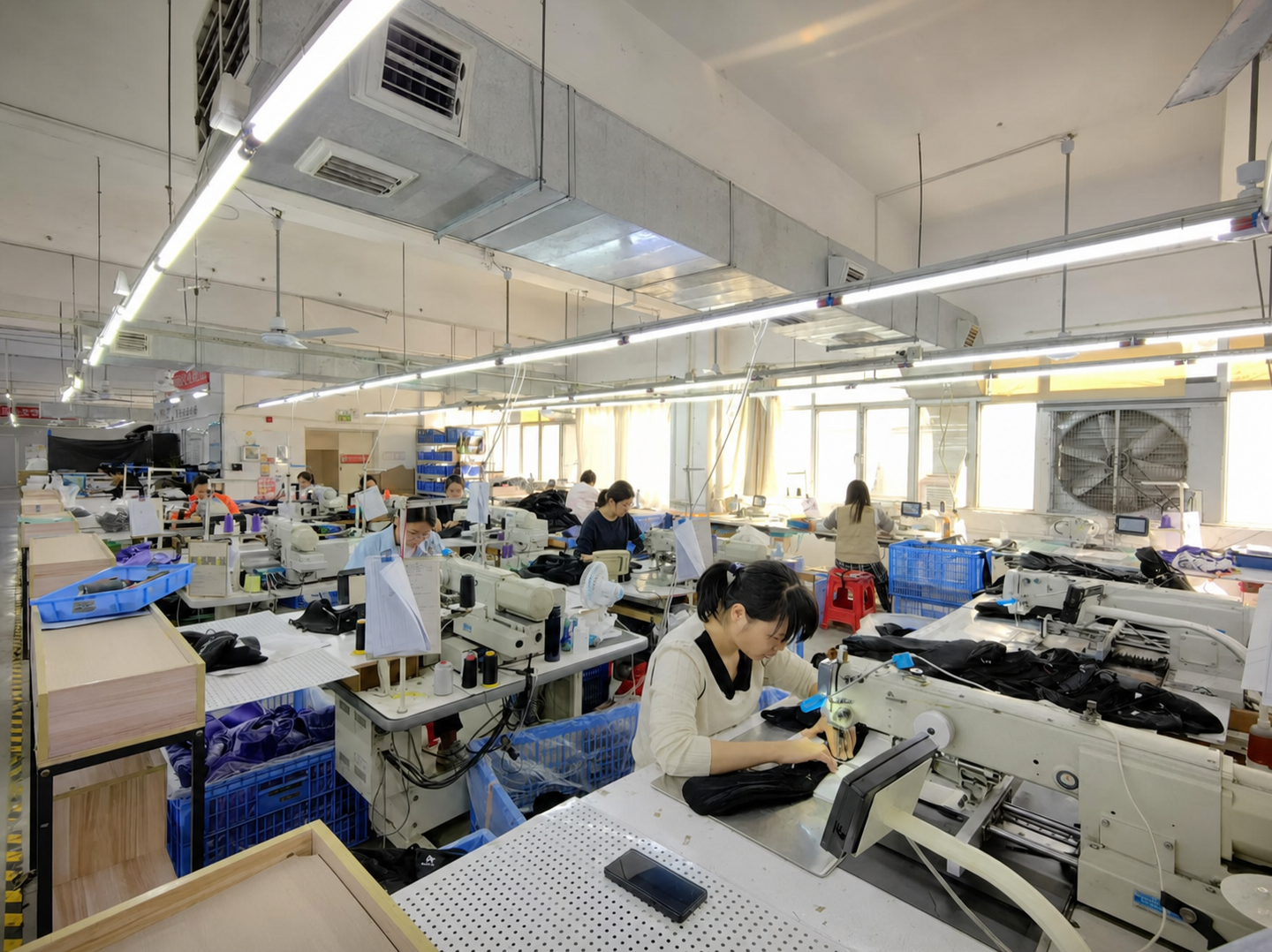
Bag sewing and assembly
04
Sew and assemble
Build the shell, lining, pockets, closures, handles and reinforcement in an agreed sequence.
Checkpoint reference
05
Follow agreed checkpoints
Review workmanship, dimensions, function, branding and order identity against the approved references for the programme.
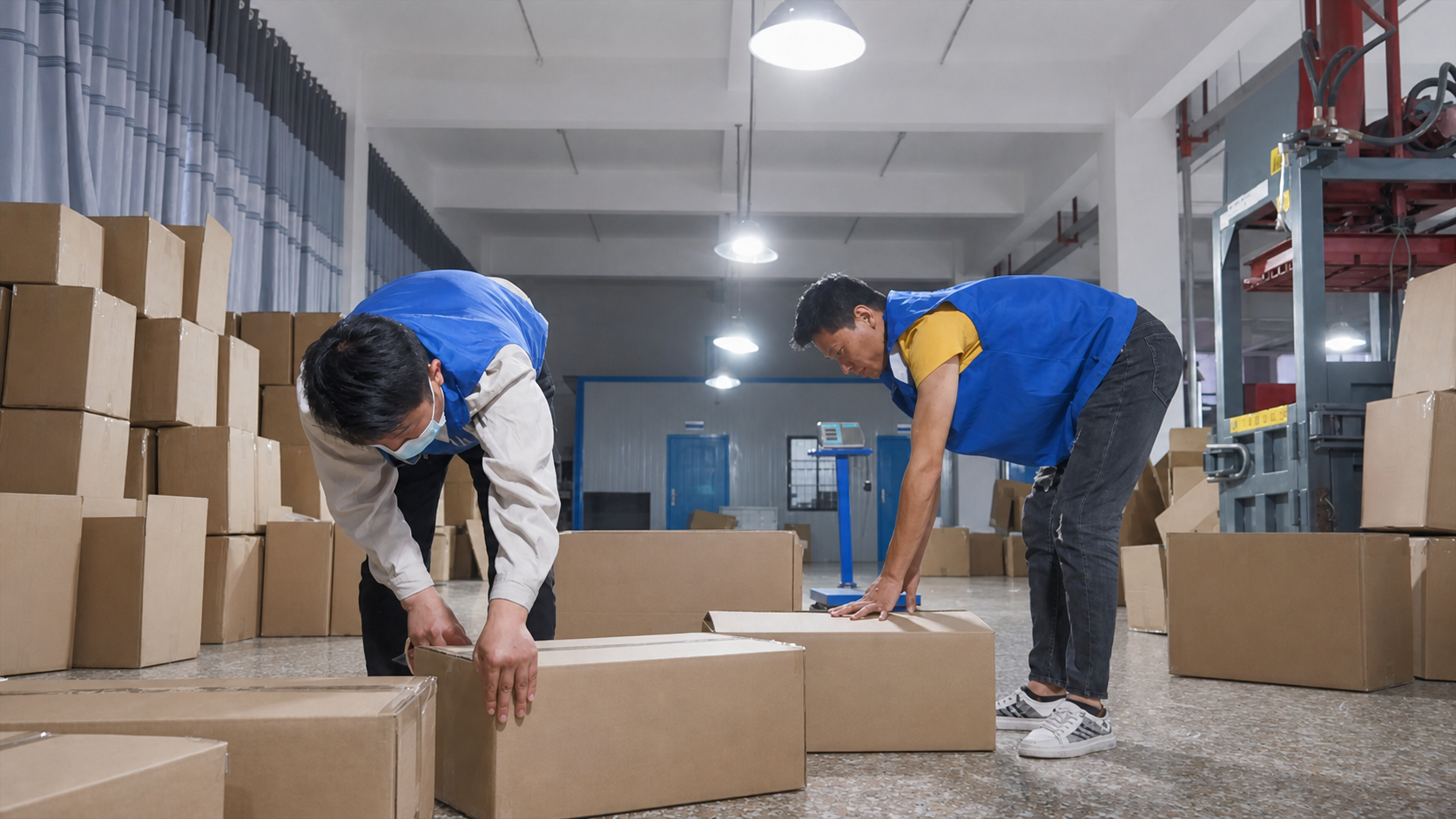
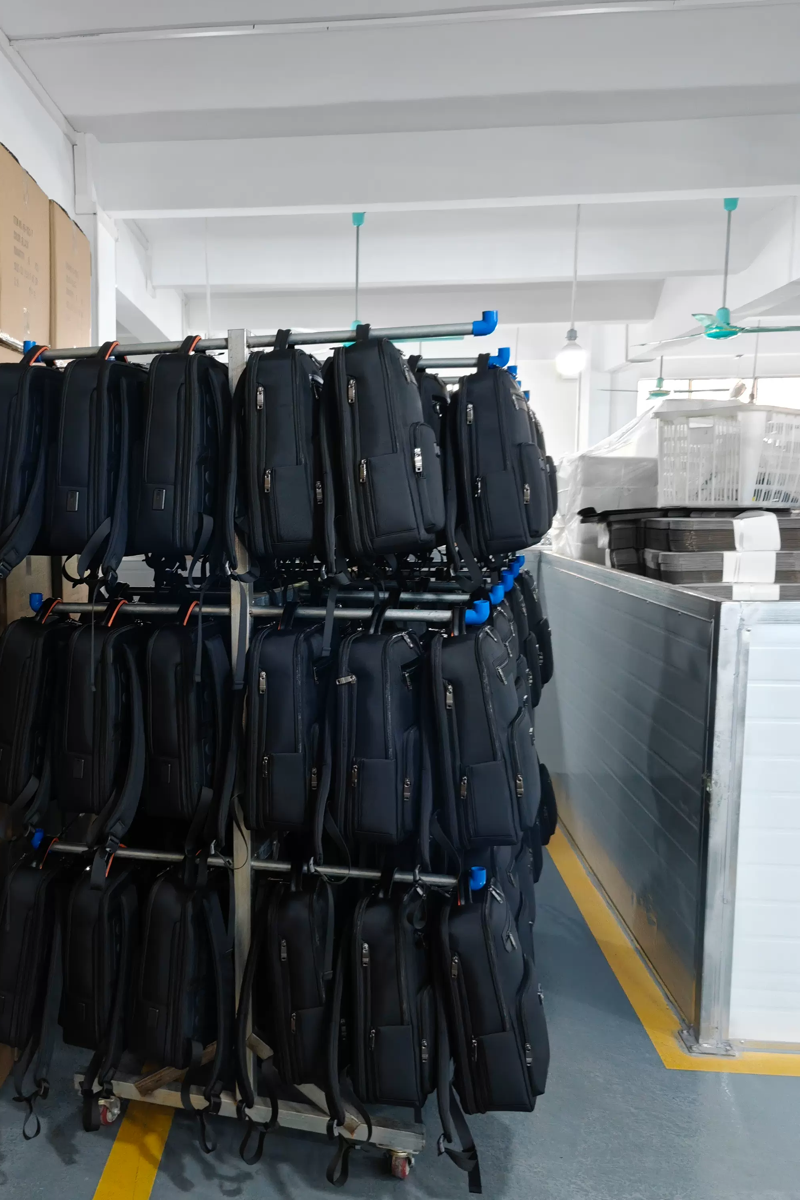
Confirmed carton packing
06
Pack and coordinate dispatch
Apply the confirmed packing, labeling, carton and shipment instructions for the completed order.
The exact development, inspection and production plan is confirmed for each product, specification and buyer requirement, and no image proves every check used for every order.
Made-to-order bag production through an affiliated China factory
Forthright coordinates Truedrape bag projects with an affiliated textile bag factory in China under common ownership. Production follows the agreed project specification and approved sample.
Forthright handles commercial and development coordination. The trading company and affiliated factory are separate legal entities.
Load the intended contents and check the opening, handle clearance, pocket access and erected body shape.
02
Construction
Review both side fold lines, base support, lining, insulation and zipper in erected and flat states. Agree separate tests for any thermal, leakage, contact or fold-performance requirement.
03
Brand details
Check artwork position against the fold lines, plus label wording and the folded packing arrangement. Record corrections and approve the final specification and sample together before bulk production.
Request a custom foldable cooler development review.
Send the intended contents, erected and stored dimensions, base-support direction, artwork and required test scope. Include quantities by style and color, destination and target timing. MOQ: 300 pieces per style per color.