Made-to-order B2B production. Specifications are confirmed through sampling.
Develop custom garment bags for an apparel brand, uniform program or travel accessory range. Start with the intended garments and hanger profile, then agree the unfolded length, fold position and carry system for this OEM reference. MOQ: 300 pieces per style per color.
Look closer at the construction
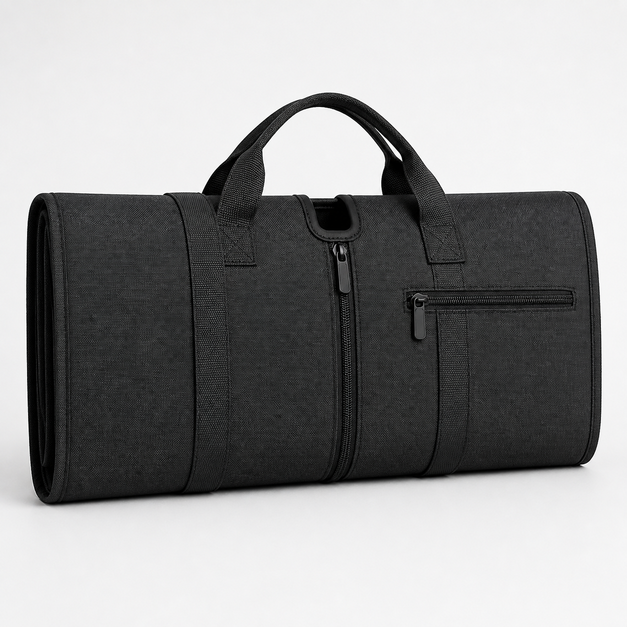
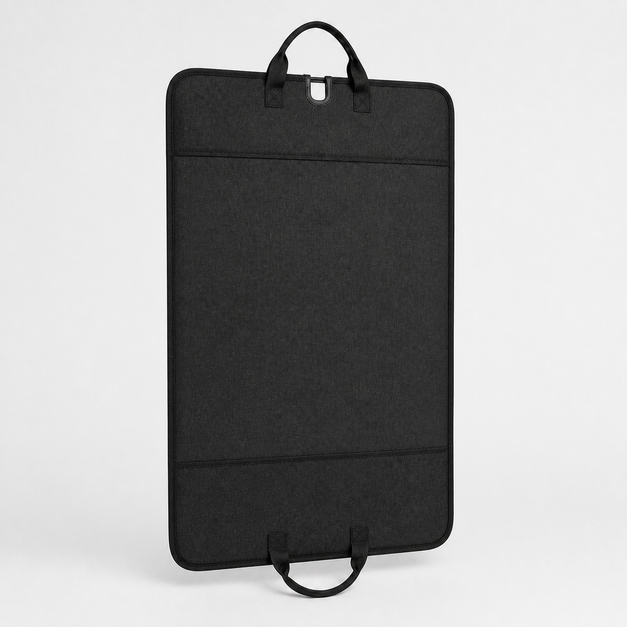
Use the open interior and detail views to specify the garment path, closure and foldover carry build.
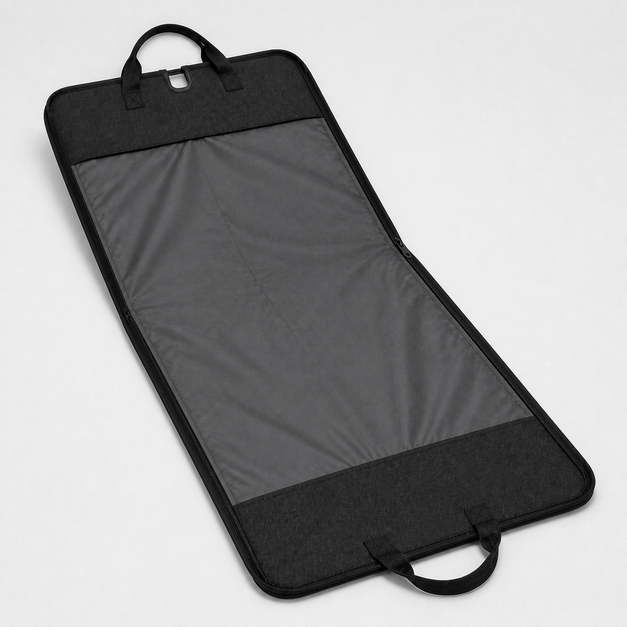
Full-length garment layout
The opened reference shows the empty lined panel, bound hanger opening and handles at both ends. The central zipper is shown in the front and detail views, not in this interior view. Set the garment profile and fold position before the pattern is approved.
Top hanger pass-through
Full-length central zipper
Foldover handles and closure straps
External zipper accessory pocket
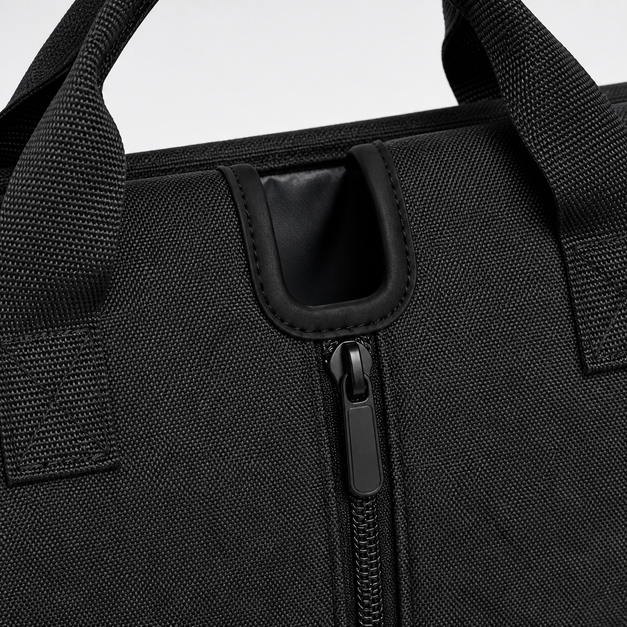
Pass-through and zipper finishing
Review the deep charcoal shell direction, bound hanger opening, zipper tape, strap stitching and hardware as one configurable construction package.
Deep charcoal woven textile direction
Coordinating smooth lining direction
Reference visuals, not production approval. Features, construction and any performance requirement must be confirmed on your sample.
MATERIAL BUILD
Garment carrier materials
The listed materials are a starting direction for the Foldover Garment Carrier. Confirm the actual shell, lining, zipper, webbing and support during development.
Outer material
Reference directionDeep charcoal woven textile direction
Review a physical swatch for shade, hand feel and how the shell bends across the carrier's fold line; confirm decoration compatibility before approving the specification.
Lining & inner finish
Reference directionCoordinating smooth lining direction
Set the lining shade, seam finish and zipper-facing construction around the intended garment brief.
Support & structure
Reference directionTo be defined with your sample
Agree the balance between a flexible unfolded carrier and a stable folded carry shape after reviewing the sample.
The close-up belongs to this design reference. It does not verify fiber composition, coating, certification, crease control or other performance.
Treat each option as a development decision for the apparel or uniform program, not a fixed specification.
Customization options
Unfolded length and fold position
Hanger pass-through construction
Handle and closure-strap layout
Pocket and branding placement
Size & layout
Provide the intended garment profiles and mark the unfolded length, fold position, hanger opening and external pocket placement.
Materials & trims
Confirm the deep charcoal shell, lining, central zipper, webbing and hardware through swatches and sampling rather than relying on the image.
Brand & packaging
Supply artwork, decoration method, placement and packing instructions. Approve the final appearance on the agreed sample.
FUNCTIONAL DETAILS
Garment carrier design decisions
Compare garment carrier samples with the same garments and hangers. Record the sample revision and check the opened and folded configurations before approving the pattern.
01
Can one folded size accommodate every garment length?
Do not assume it can. Define the longest intended garment and its packed thickness, then check where it meets the fold line. Confirm that the central zipper closes freely with the agreed garment and hanger combination.
Buyer questionWhich garment and hanger combination must the sample accommodate?
02
Can the hanger opening be approved from the image?
No. Match the opening and bound edge to the agreed hanger-neck profile on the sample. Check the number of hangers and how they sit beside the central zipper before approving the pattern.
Buyer questionWhat hanger-neck profile and hanger count should be checked?
03
Which details affect the quotation and development schedule?
Unfolded length, lining, hanger binding, closure straps and decoration define the work to quote. Check handle alignment, strap reach and accessory-pocket access with the intended garments inside. Confirm sourcing, sample revisions and timing after those details are agreed.
Buyer questionWhat garment, trim and branding references should the quotation use?
Discuss changes before the pattern is finalized. The pictured configuration is a design reference, not the final specification for an order.
OEM / ODM development process
From an approved direction to a packed custom bag order
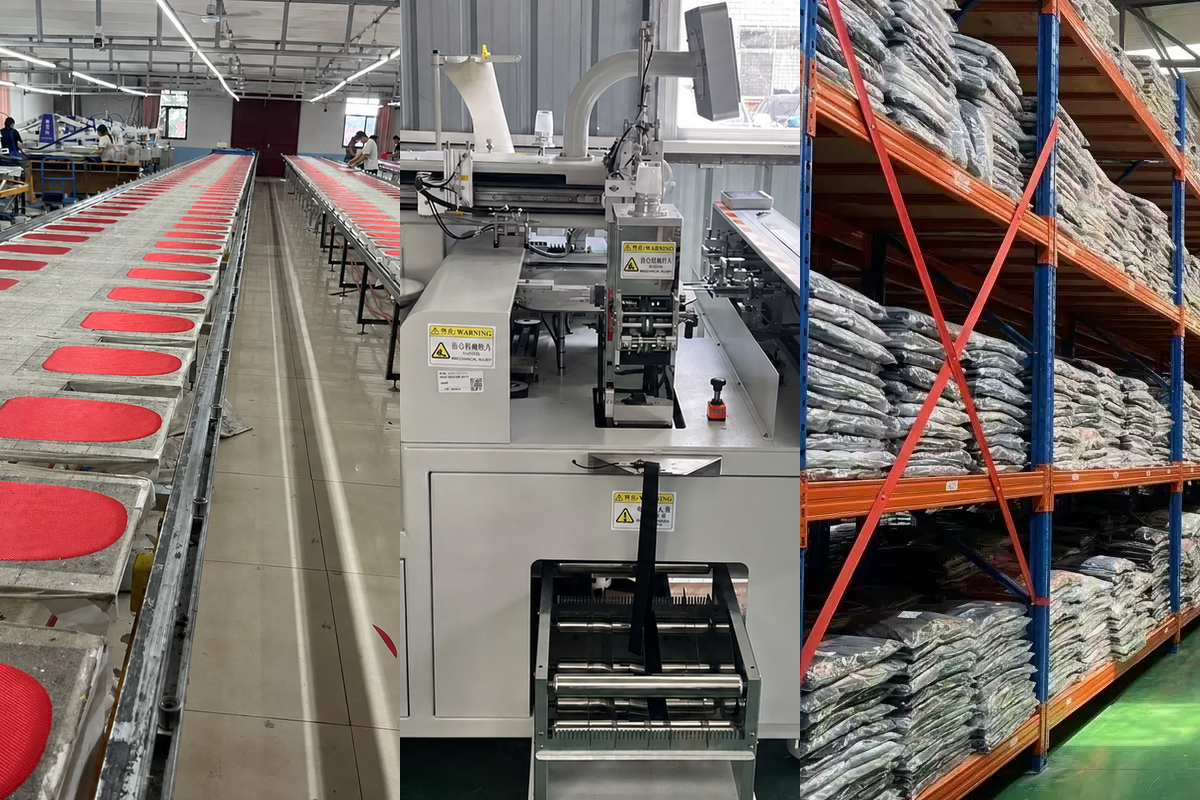
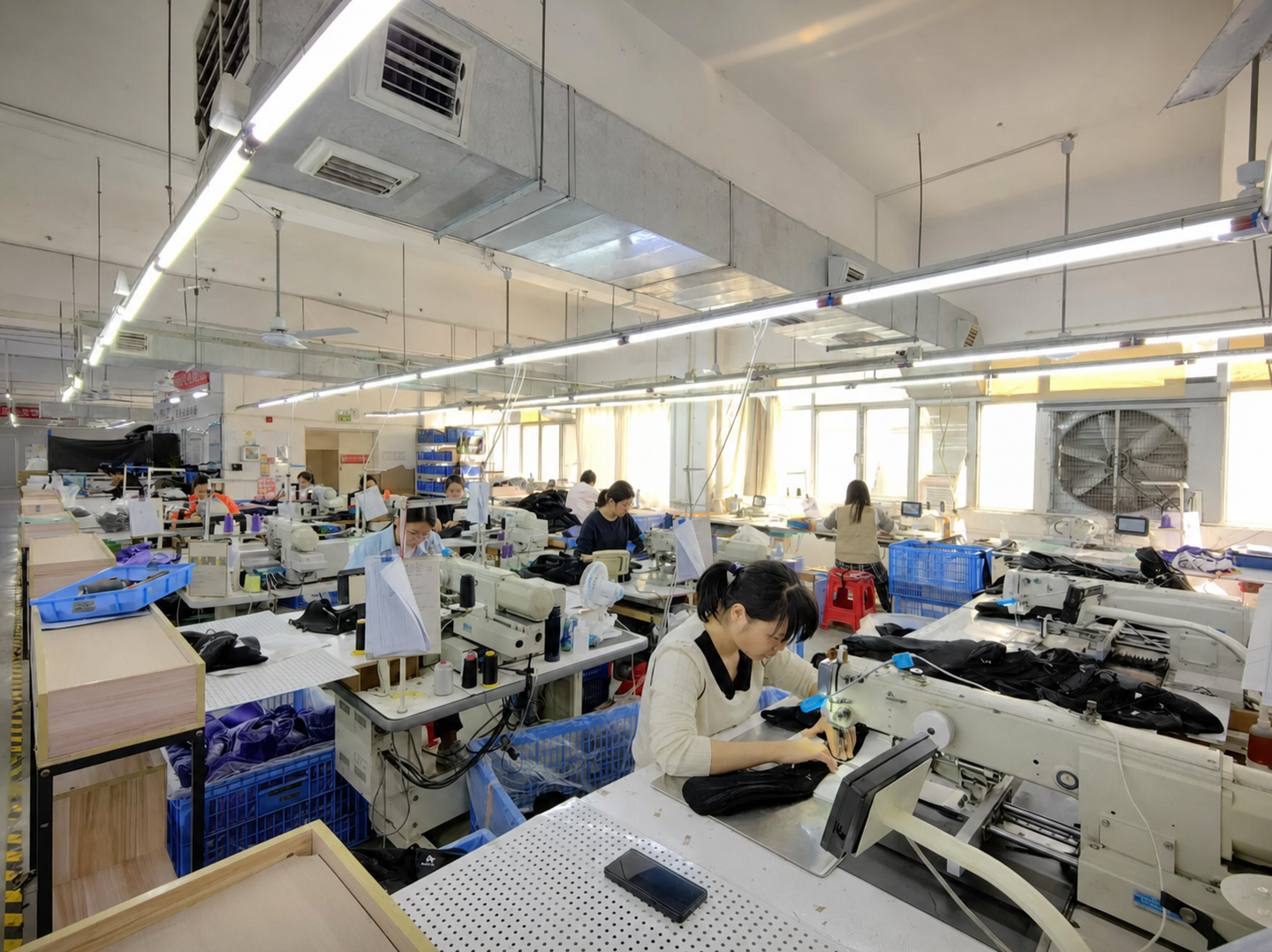
This shared OEM and ODM bag development route shows how a buyer brief moves through sampling, material preparation, sewing, agreed production checkpoints and packing.
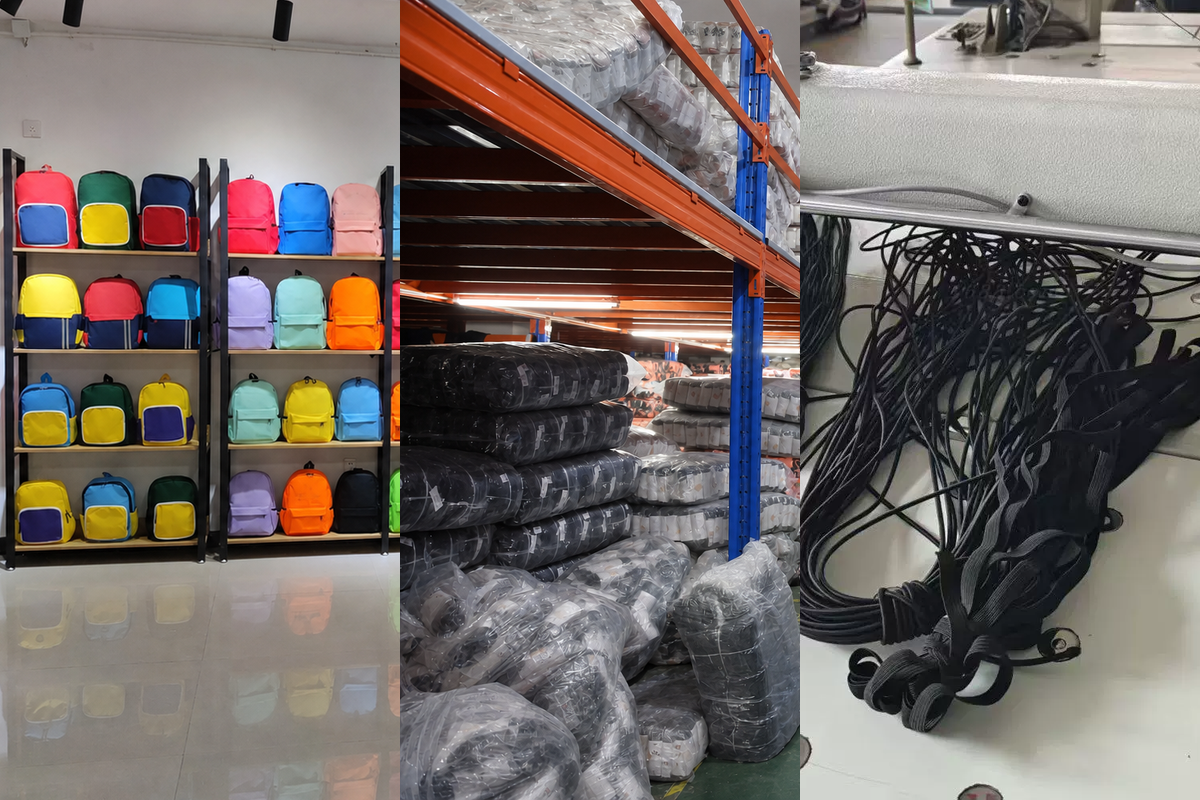
Brief input reference
01
Confirm the brief
Define intended use, dimensions, organization, material direction, branding and packing requirements.
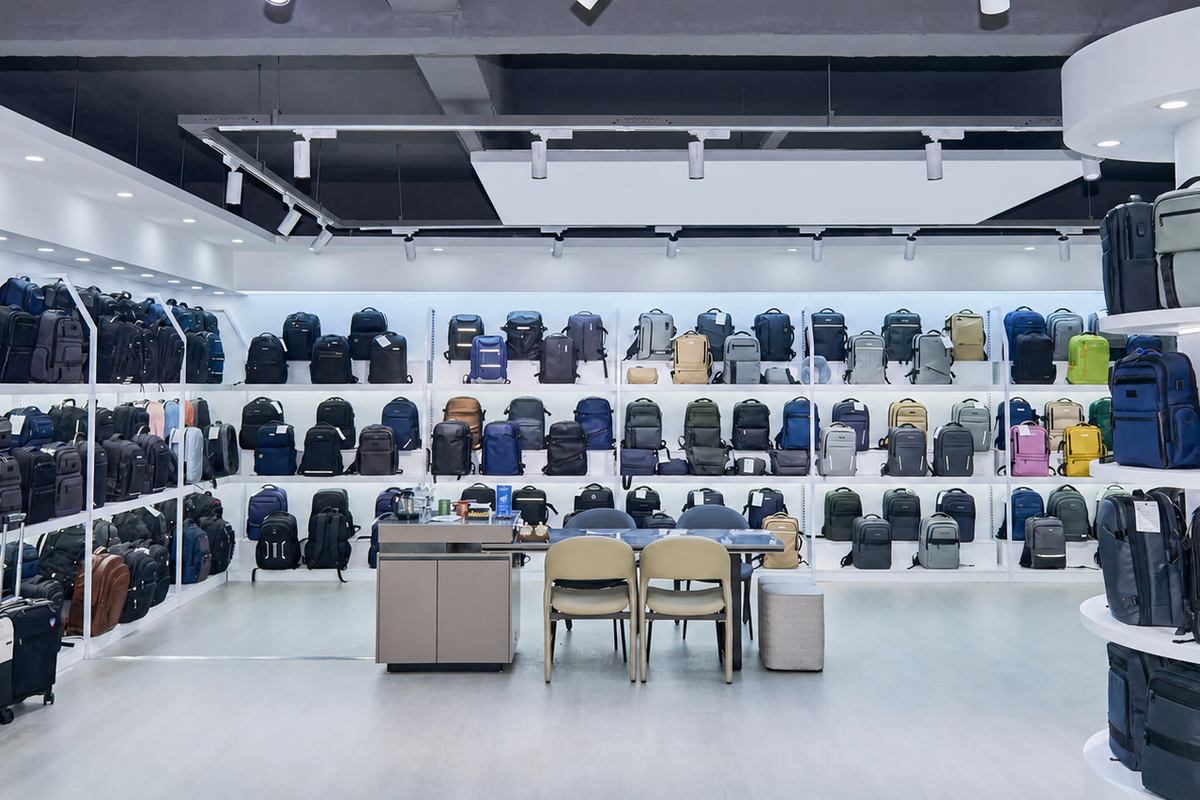
Sample review environment
02
Develop and review the sample
Turn the approved direction into a physical reference and record the revisions needed before production decisions close.
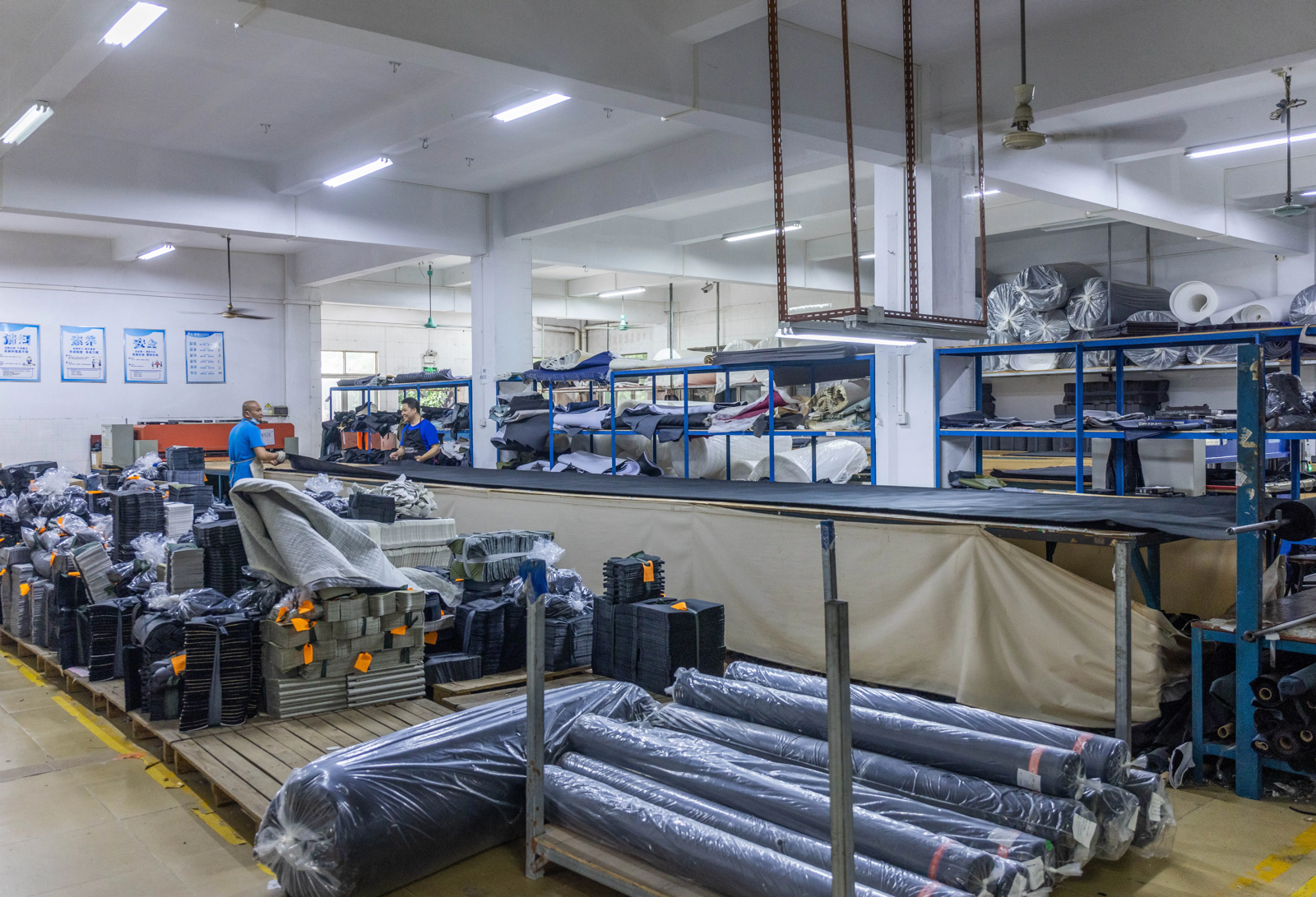
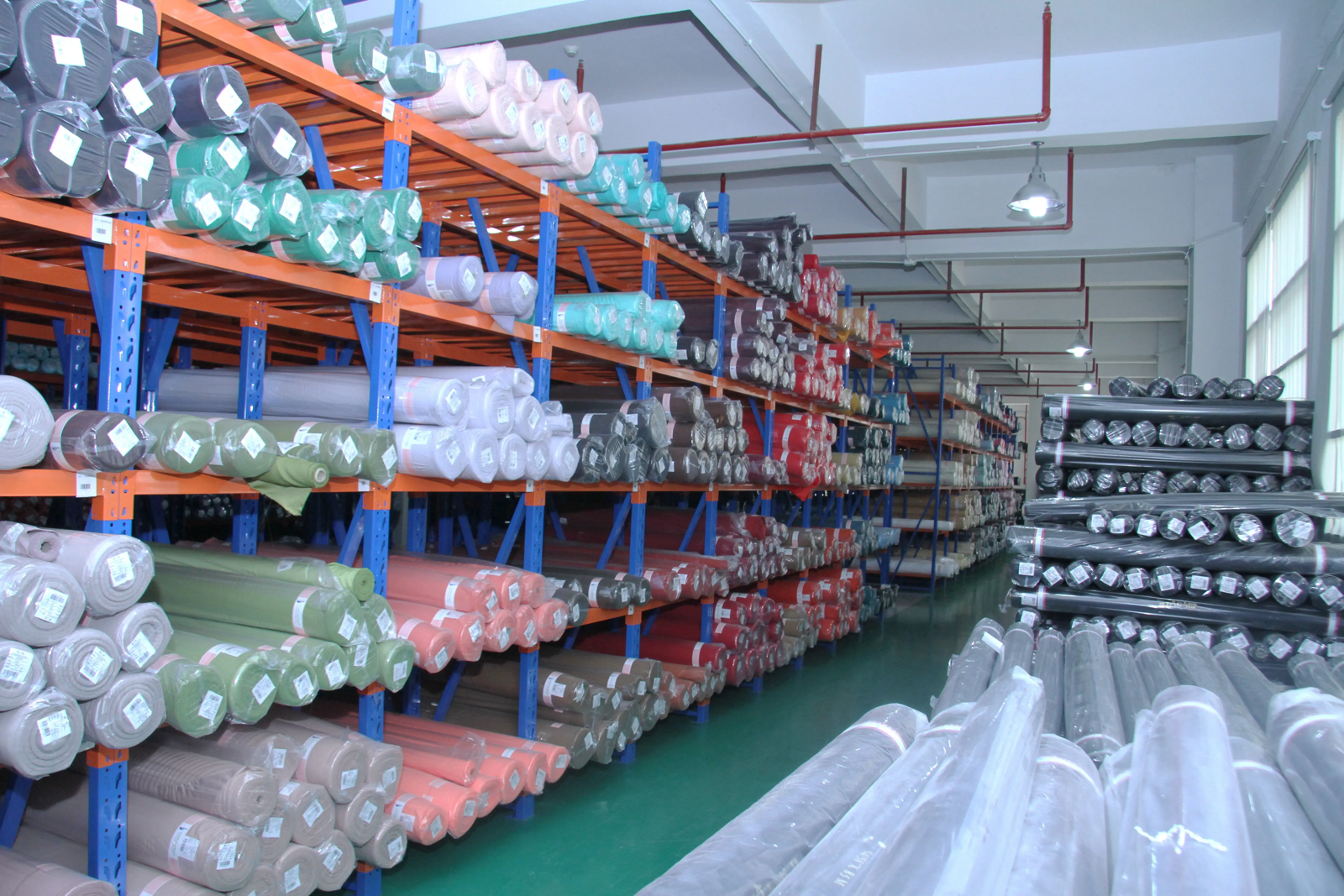
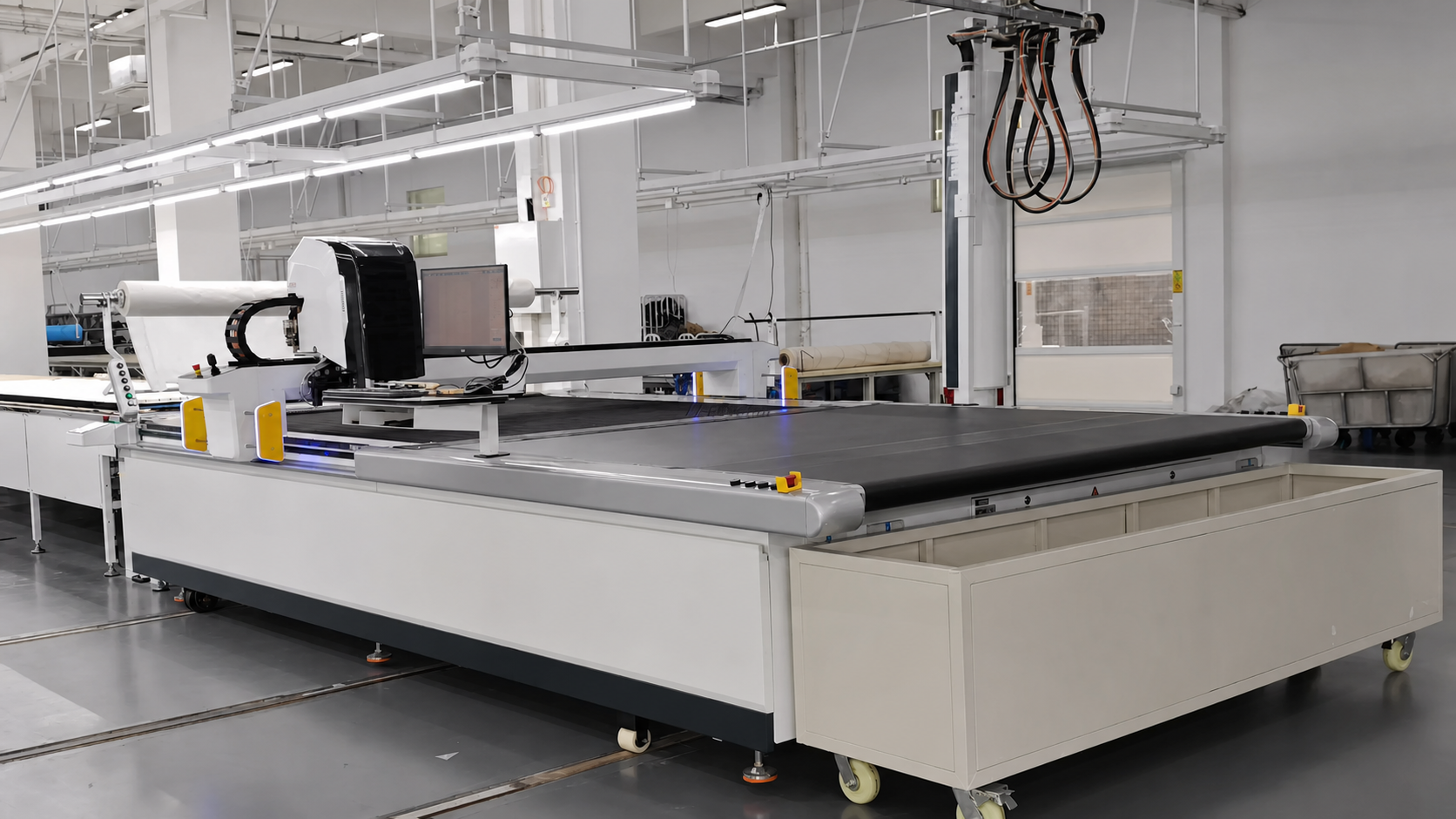
Material and panel preparation
03
Prepare materials and panels
Connect approved construction, components and color direction with material and panel preparation.
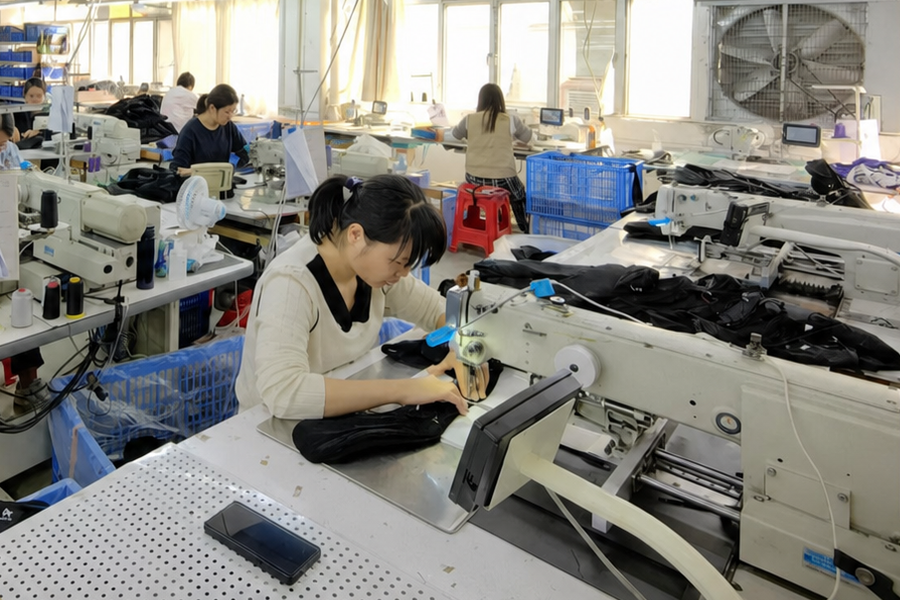
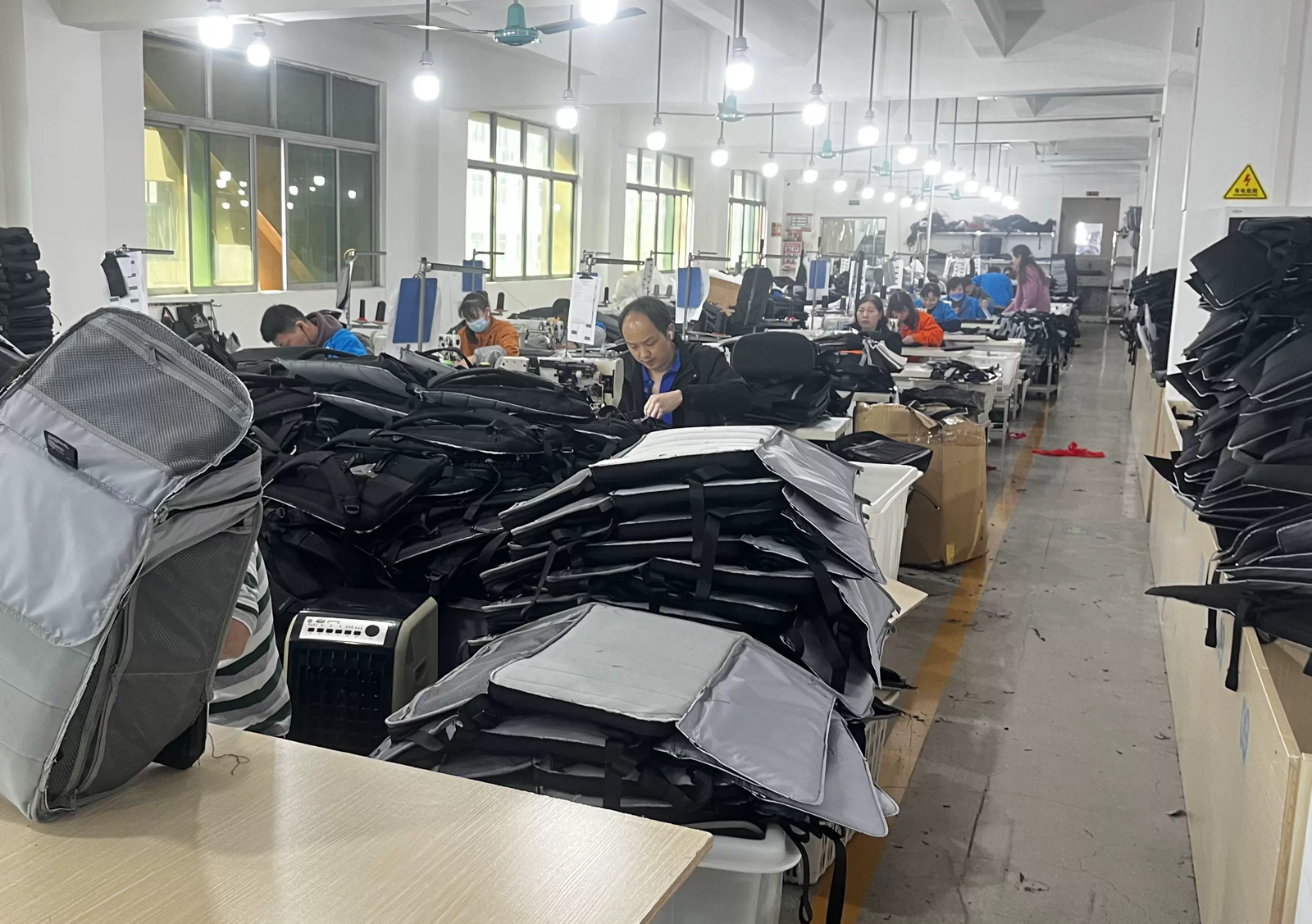
Bag sewing and assembly
04
Sew and assemble
Build the shell, lining, pockets, closures, handles and reinforcement in an agreed sequence.
Checkpoint reference
05
Follow agreed checkpoints
Review workmanship, dimensions, function, branding and order identity against the approved references for the programme.
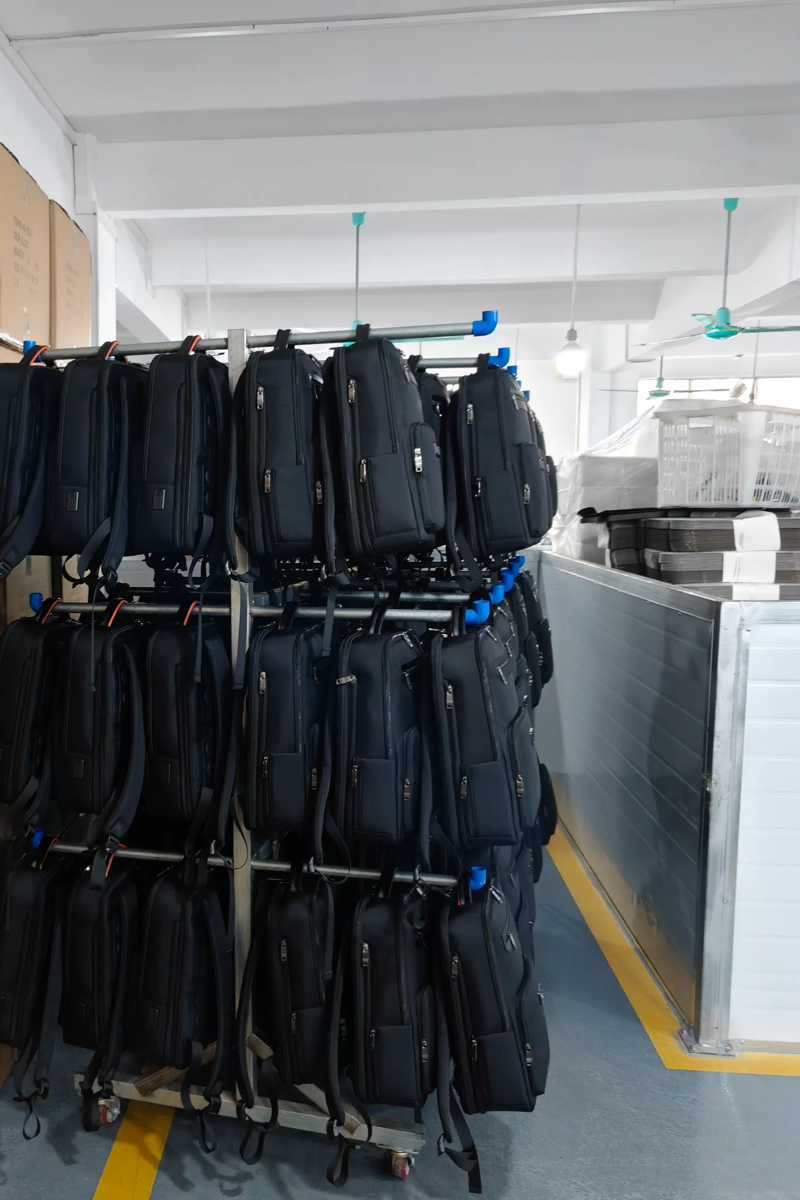
Confirmed carton packing
06
Pack and coordinate dispatch
Apply the confirmed packing, labeling, carton and shipment instructions for the completed order.
The exact development, inspection and production plan is confirmed for each product, specification and buyer requirement, and no image proves every check used for every order.
Made-to-order bag production through an affiliated China factory
Forthright coordinates Truedrape bag projects with an affiliated textile bag factory in China under common ownership. Production follows the agreed project specification and approved sample.
Forthright handles commercial and development coordination. The trading company and affiliated factory are separate legal entities.
Record the sample revision, garment references and hanger profile. Check unfolded length, zipper access and the fold position with those same references.
02
Construction and material record
Review pass-through binding, zipper facing, handle roots and closure straps. Match shell and lining references to the agreed specification; review any requested material documents separately.
03
Branding and order split
Approve artwork position on the folded and opened carrier, label wording and packing. Confirm quantities by style and color; MOQ is 300 pieces per style per color.
Send the garment and hanger references, required unfolded length, folded carry direction, branding, quantity by color and target timing. Include material-document requirements when relevant. MOQ: 300 pieces per style per color; final construction is confirmed through sampling.