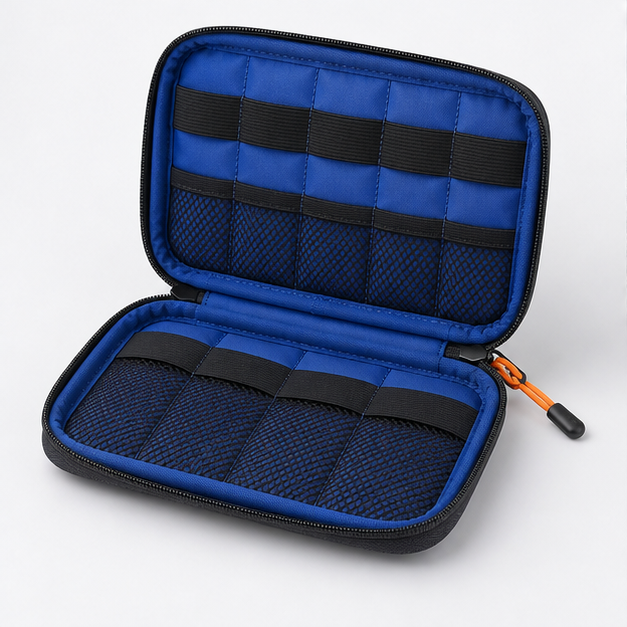
Internal organization
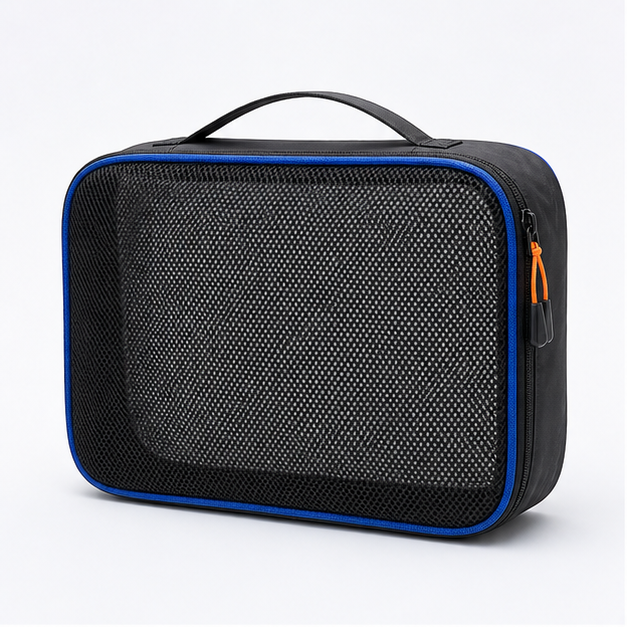
Elastic loops and smaller pockets can separate a technology kit into usable zones. Place each element from the objects it holds, leaving room for the organizer to close.
- Elastic loops
- Mesh pockets
- Zip-around opening
Tech Accessories Organizer · Tech-brand and corporate accessory procurement
Design reference for customization; final details subject to sampling.
Made-to-order B2B production. Specifications are confirmed through sampling.
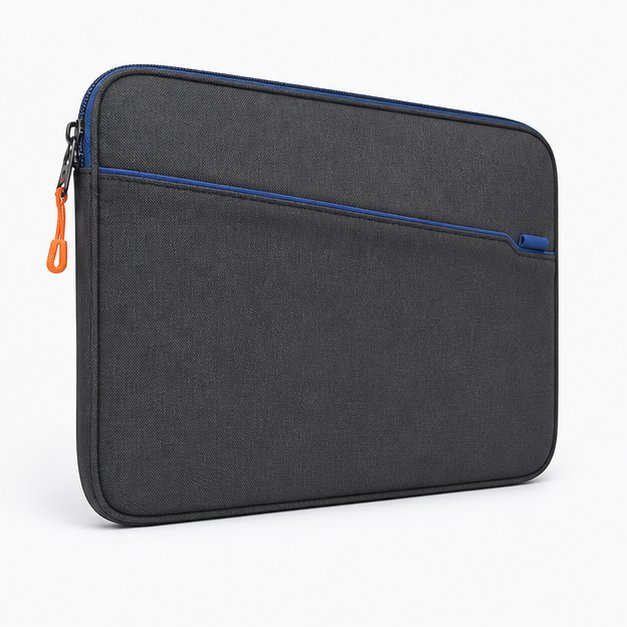
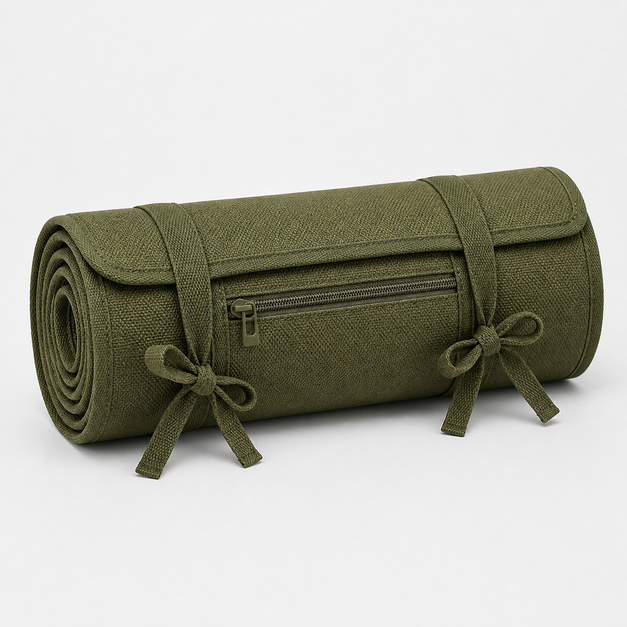
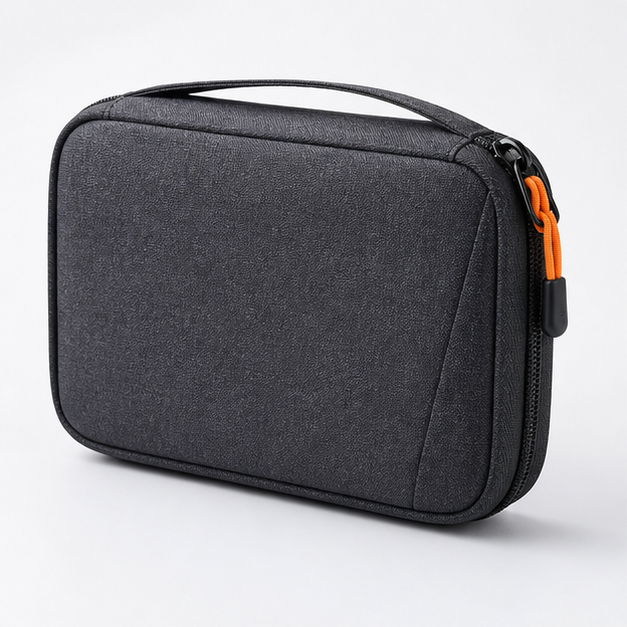
An OEM tech organizer pouch for cables, chargers and small accessories. Lay out the actual devices to size the elastic loops, mesh pockets and zip-around opening; do not rely on the outside dimensions alone.
Use the interior and detail views to discuss your changes.
Elastic loops and smaller pockets can separate a technology kit into usable zones. Place each element from the objects it holds, leaving room for the organizer to close.
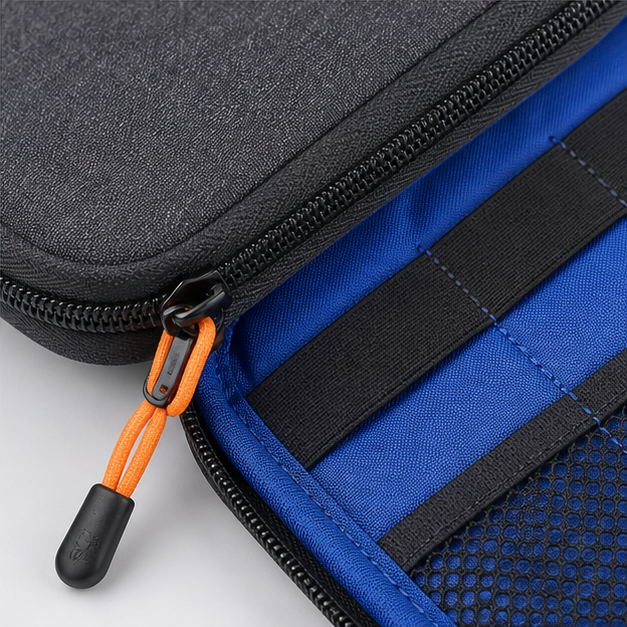
Review fabric, lining, zipper and retention materials around the objects being organized. Any special protective or technical requirement needs a separate specification.
Reference visuals, not production approval. Features, construction and any performance requirement must be confirmed on your sample.
MATERIAL BUILD
The listed materials are the starting direction for Tech Accessories Organizer. Review the shell, inside finish and support together before approving the production specification.
Reference directionTechnical polyester
Technical polyester sets the reference exterior. Review its hand feel and edge finish with the zip-around construction.
Reference directionSoft lining
The soft lining direction should suit the stored devices and accessories. Padding or scratch-related requirements must be explicitly specified and reviewed.
Reference directionTo be defined with your sample
Set loop tension, pocket depth and any panel padding using the actual accessories. Added foam can make a filled organizer harder to close.
The close-up belongs to this design reference. It does not verify fiber composition, coating, recycled content or performance.
Tell us what should stay, what should change and which details matter most to your program. Options below are discussion points, not a fixed configuration.
FUNCTIONAL DETAILS
Use these checks to turn the Tech Accessories Organizer reference into a clear development brief.
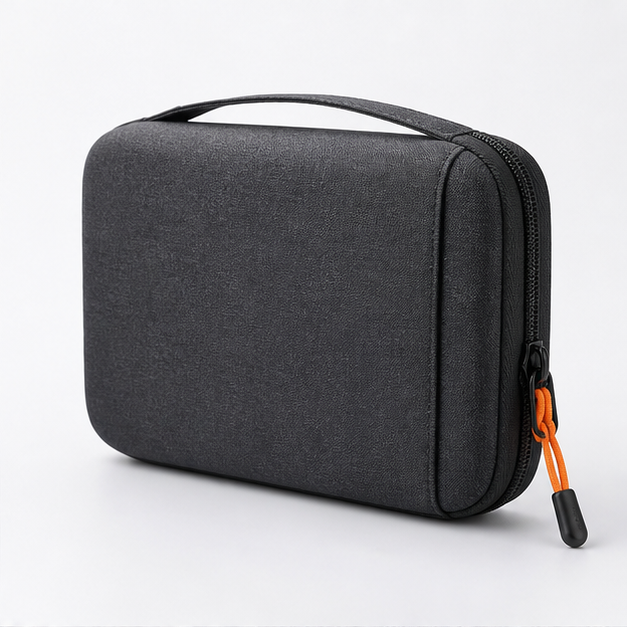
Size loops around real cable bundles and adapters. A single elastic width or tension may not suit every item in the kit.
Buyer questionWhich accessories need their own retention loop?
Check charger thickness and plug shape against the pocket opening. Review the effect on the opposite panel when the organizer closes.
Buyer questionWhat is the bulkiest accessory stored in mesh?
Agree where padding is needed and how much space it may use. A soft lining alone is not proof of impact or scratch protection.
Buyer questionWhich surfaces require a defined protective construction?
Discuss changes before the pattern is finalized. The pictured configuration is not the final specification for your order.
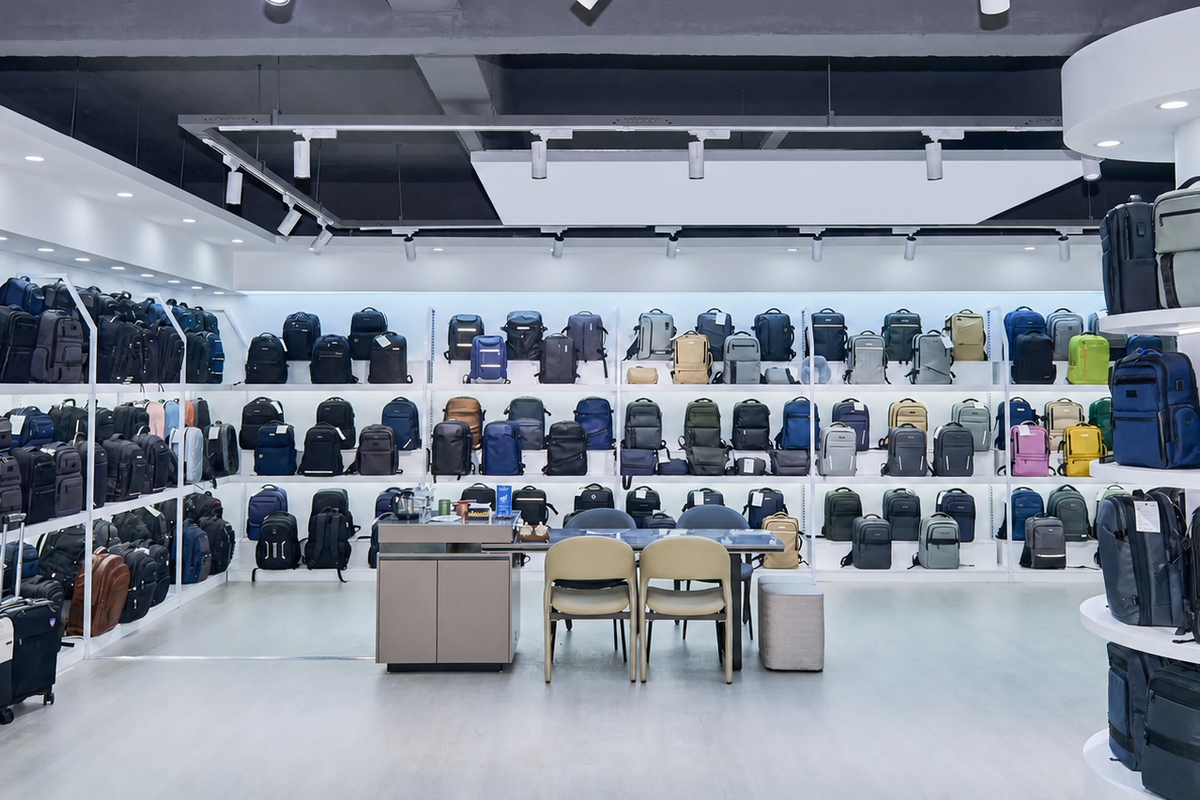
This shared OEM and ODM bag development route shows how a buyer brief moves through sampling, material preparation, sewing, agreed production checkpoints and packing.
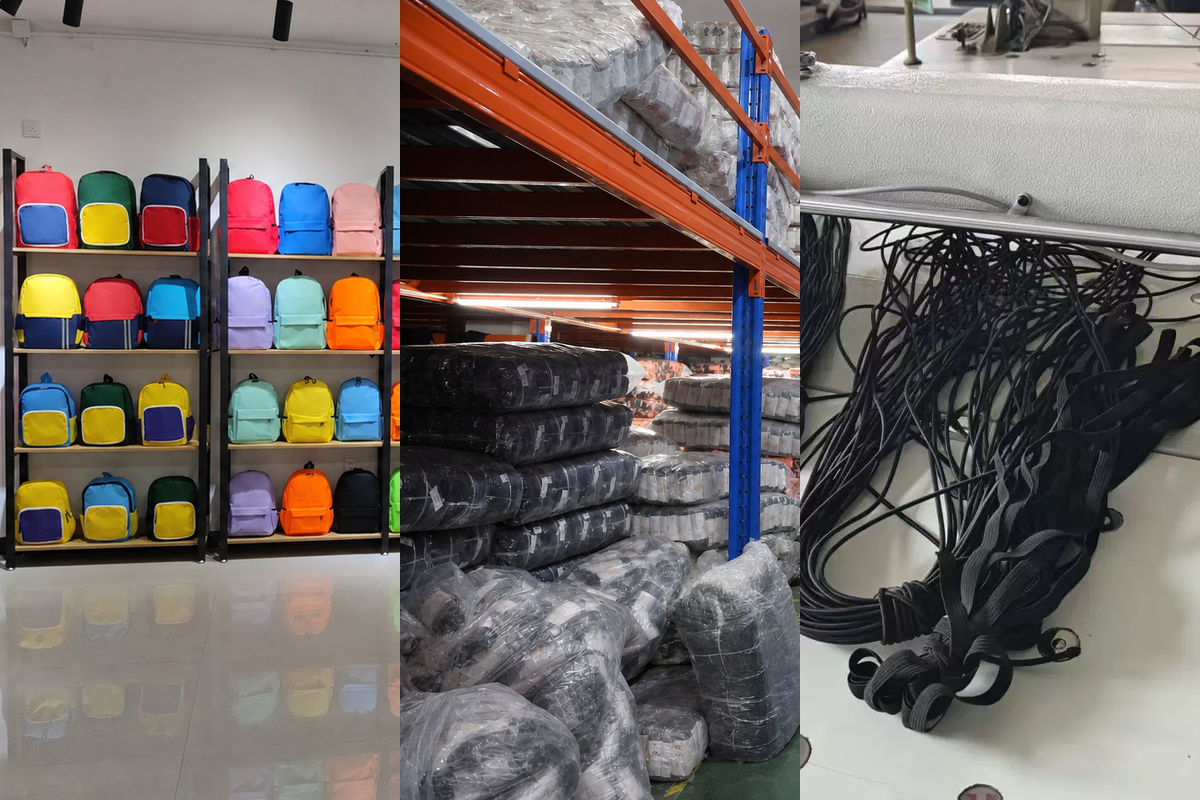
Define intended use, dimensions, organization, material direction, branding and packing requirements.
Turn the approved direction into a physical reference and record the revisions needed before production decisions close.
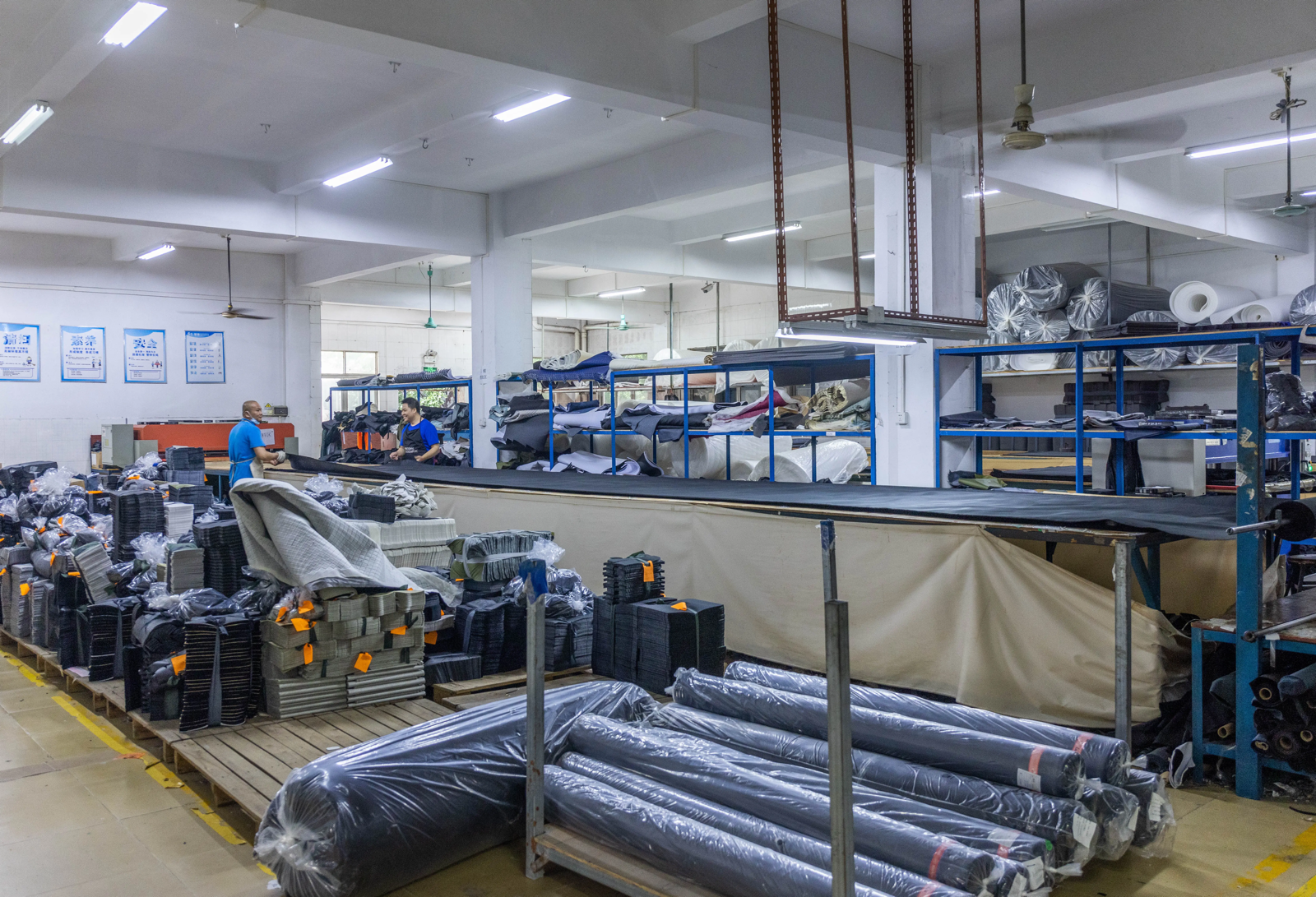
Connect approved construction, components and color direction with material and panel preparation.
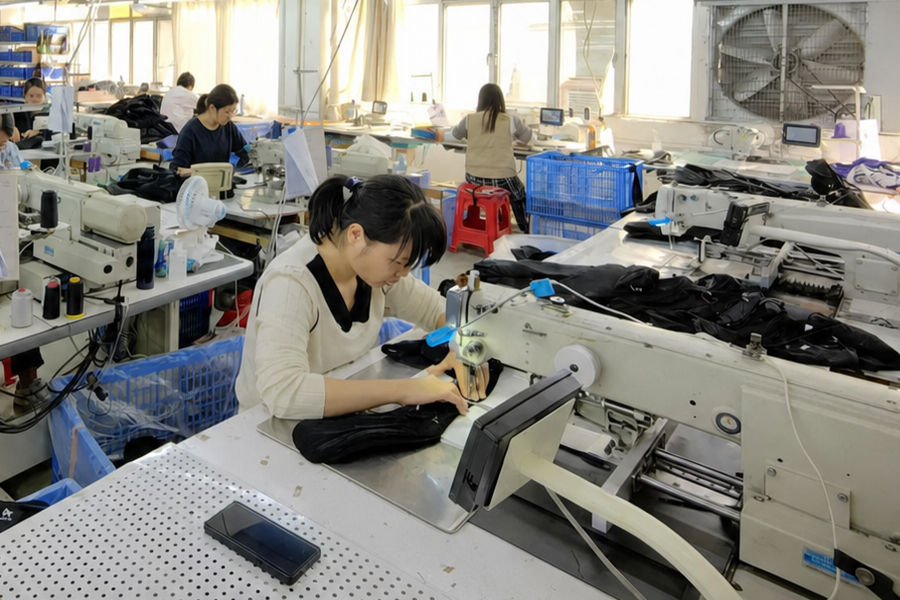
Build the shell, lining, pockets, closures, handles and reinforcement in an agreed sequence.
Review workmanship, dimensions, function, branding and order identity against the approved references for the programme.

Apply the confirmed packing, labeling, carton and shipment instructions for the completed order.
The exact development, inspection and production plan is confirmed for each product, specification and buyer requirement, and no image proves every check used for every order.
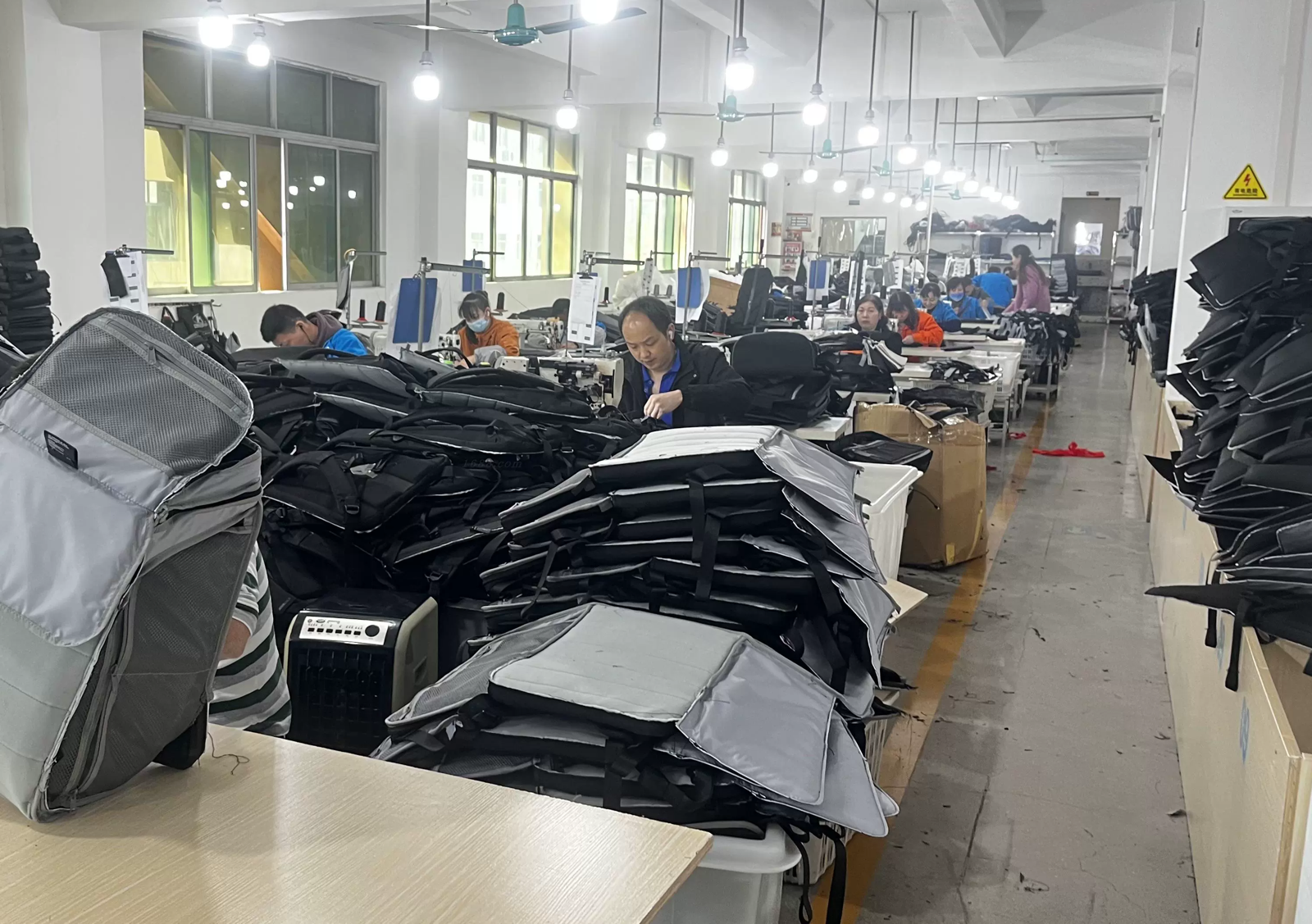
An active bag-production environment supporting made-to-order programmes.
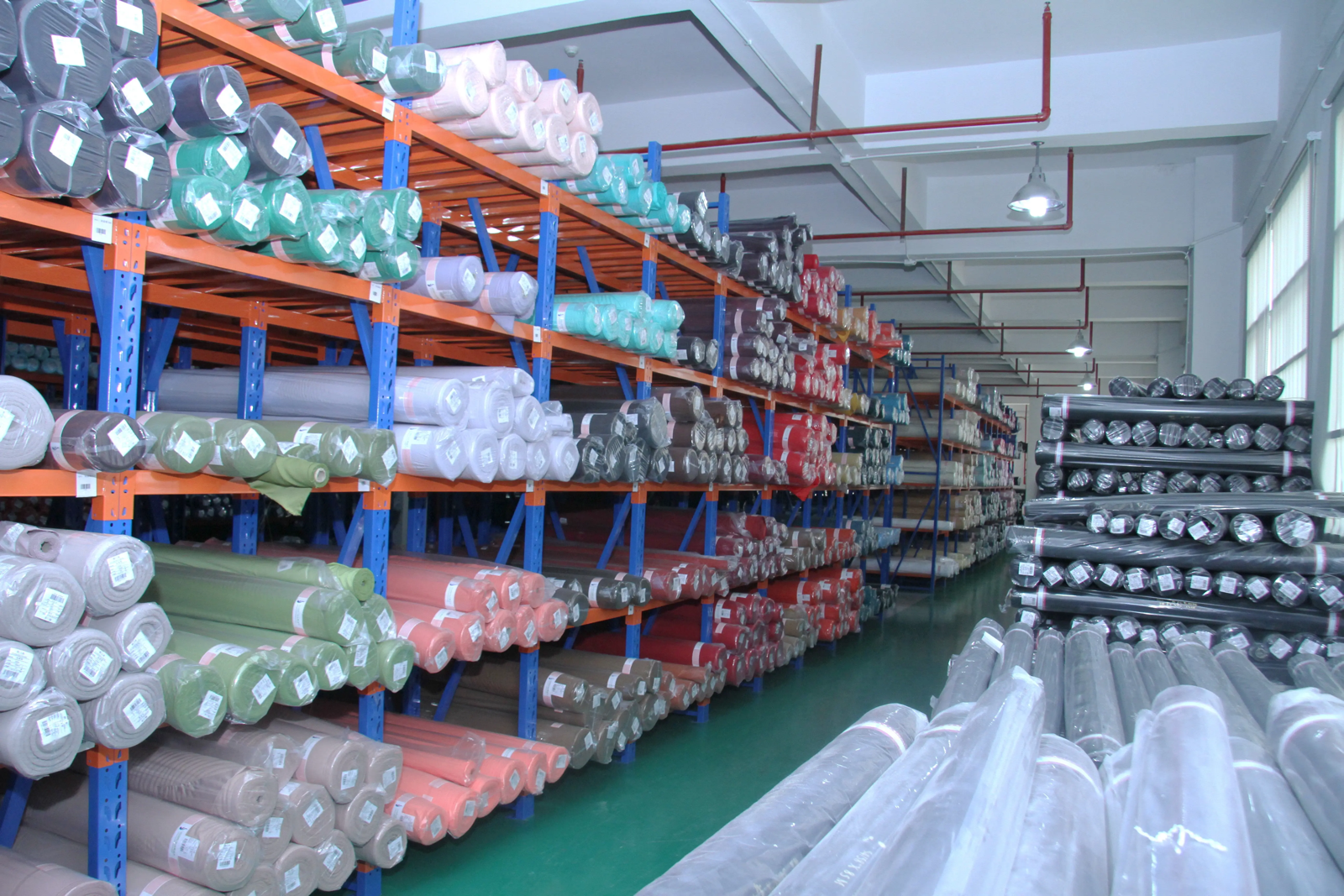
Material-roll storage connected with production preparation.
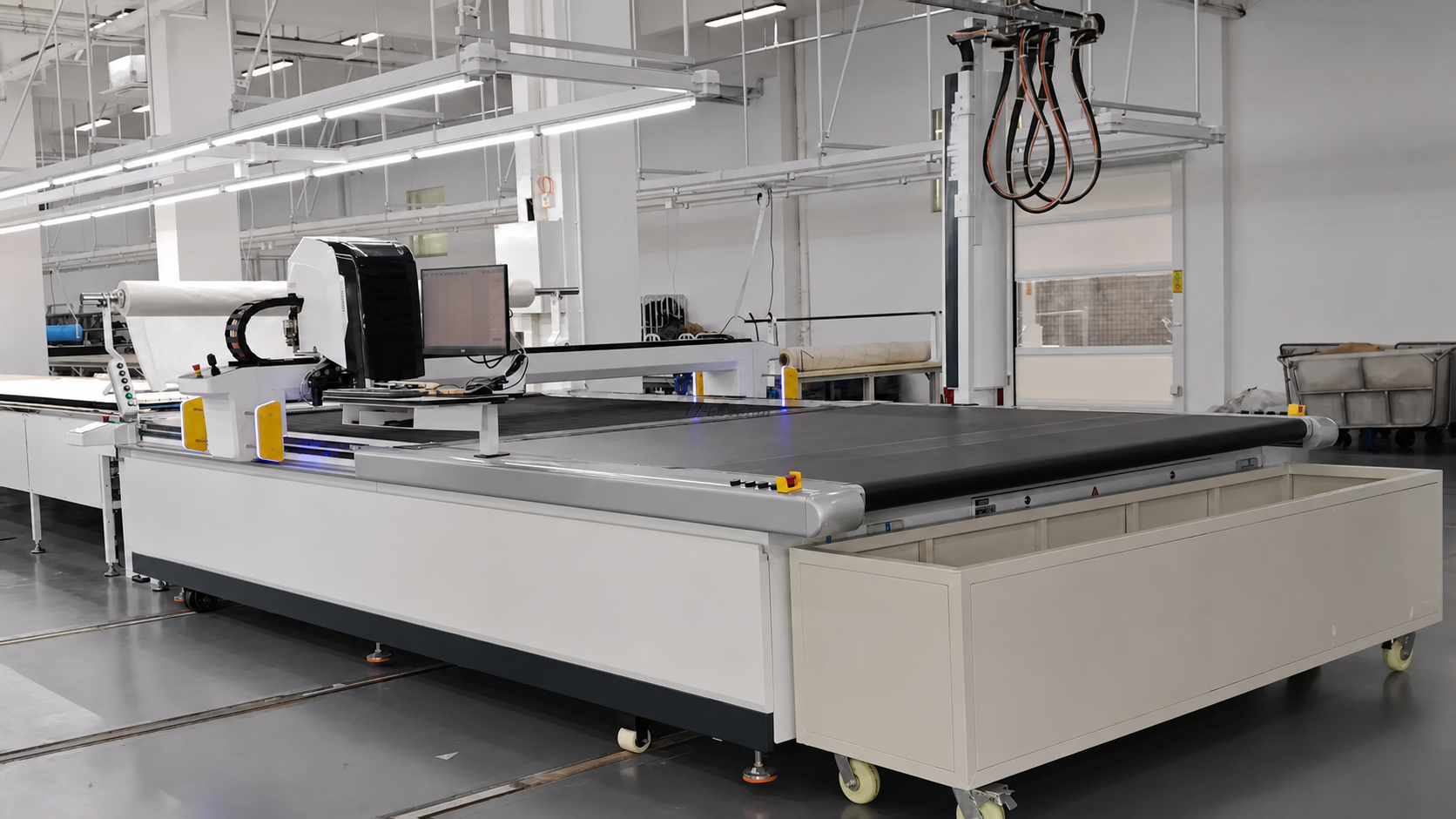
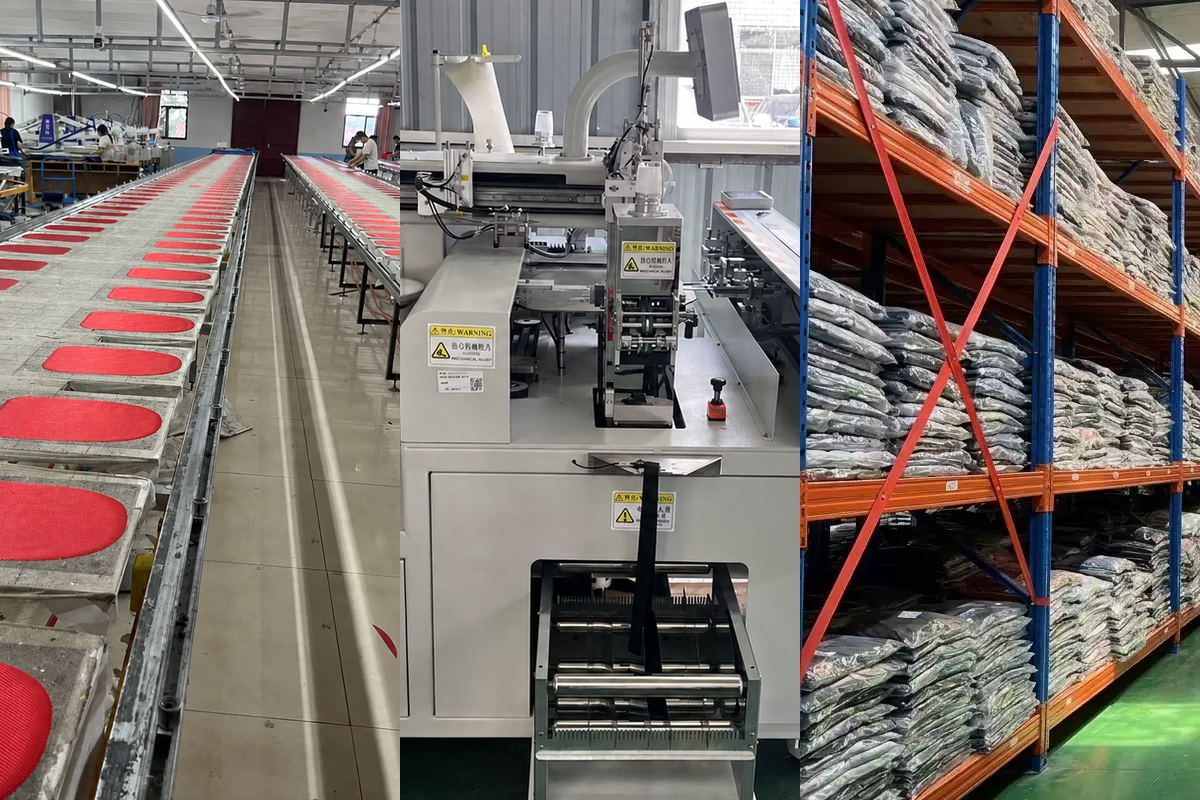
General textile equipment; routing is confirmed for each bag programme.
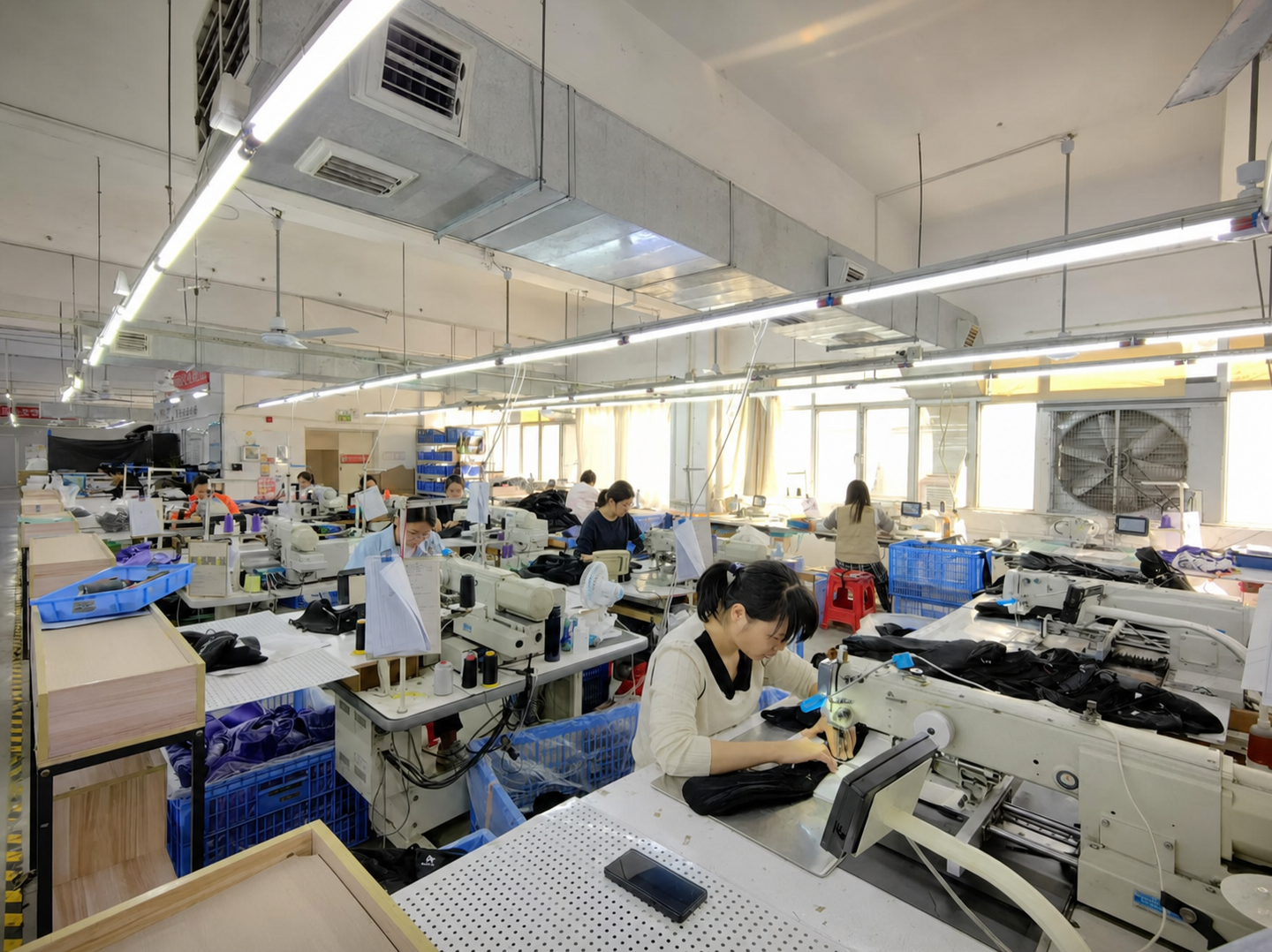
People, workstations and prepared parts in the bag-production environment.
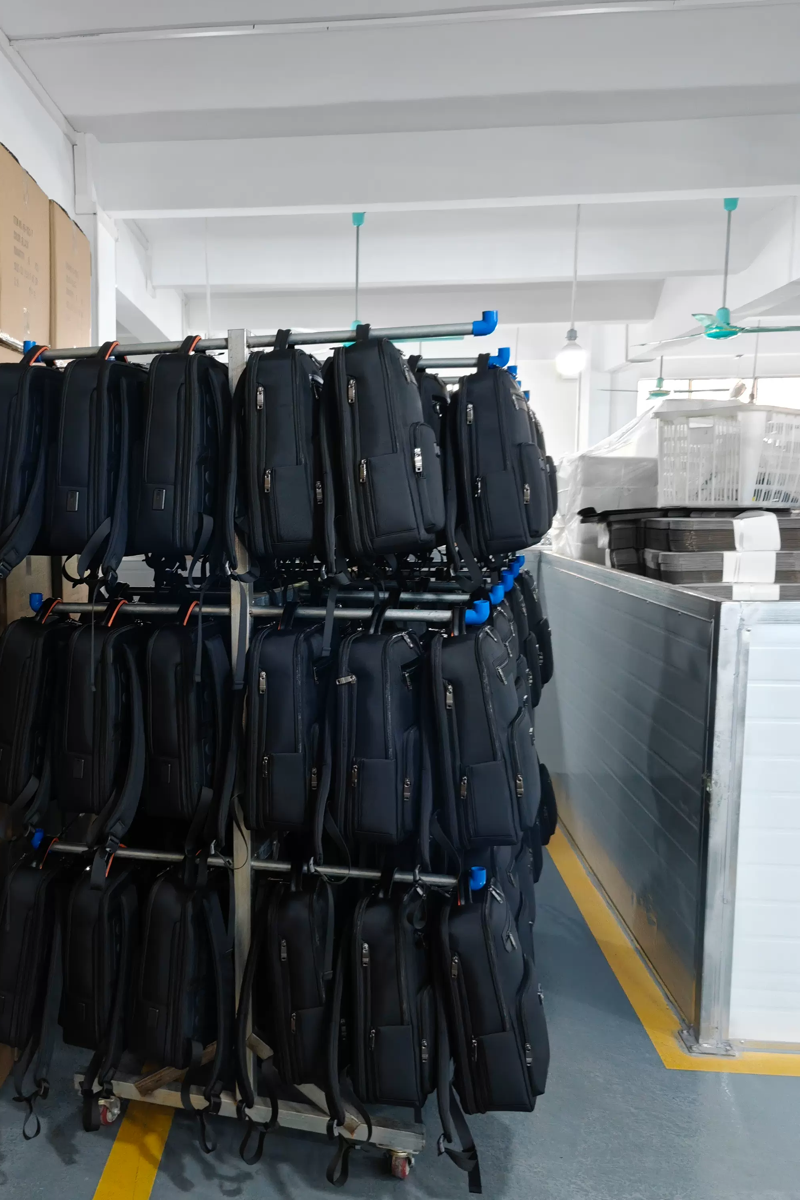
Completed bags remain connected with the order before packing and dispatch.
Pack the largest charger, cables and adapters; check closure clearance and access to individual items.
Position loops and pockets from a measured item map, rather than a generic pocket count.
Check artwork size, position, color, label wording and packing. Sign off the final specification and sample together before bulk production.
Travel-brand and corporate document-kit procurement
Reference size26 × 18 × 3 cm
View designField-service, maintenance-kit and OEM component organization programs
Reference sizeSpecified to the project brief
View designTravel-brand and luggage-organizer OEM programs
Reference size35 × 25 × 10 cm
View design