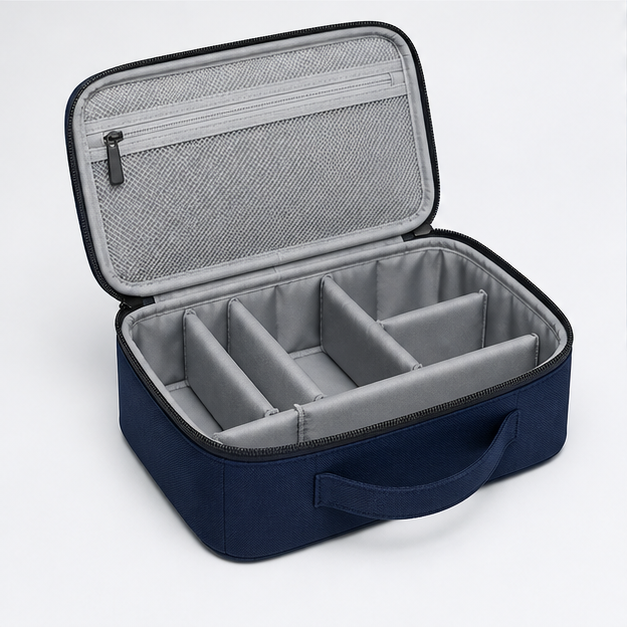
Internal organization
The divided interior is a starting point for arranging beauty items by size. Decide which divisions should move and which should remain fixed for your set.
- Structured body
- Adjustable dividers
- Lid pocket
Structured Makeup Train Case · Beauty-brand and wholesale cosmetic programs
Design reference for customization; final details subject to sampling.
Made-to-order B2B production. Specifications are confirmed through sampling.
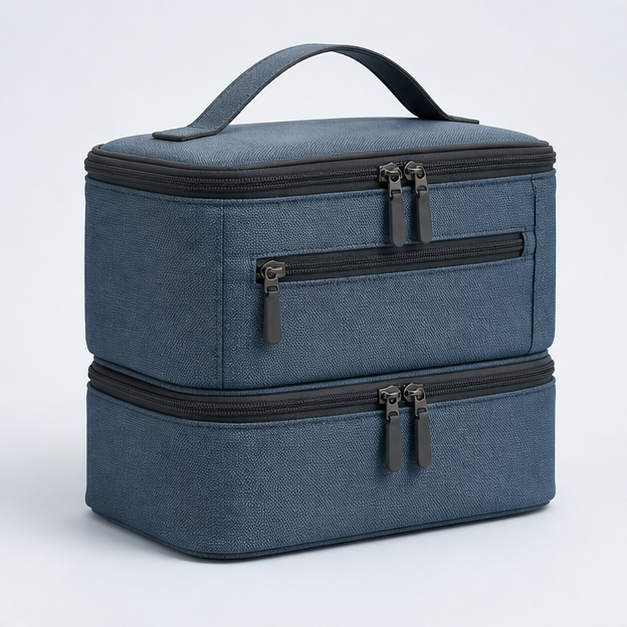
An OEM structured makeup train case for beauty brands and organized cosmetic ranges. Use the actual bottles and tools to set divider positions, lid clearance and the body support needed in use.
Use the interior and detail views to discuss your changes.
The divided interior is a starting point for arranging beauty items by size. Decide which divisions should move and which should remain fixed for your set.
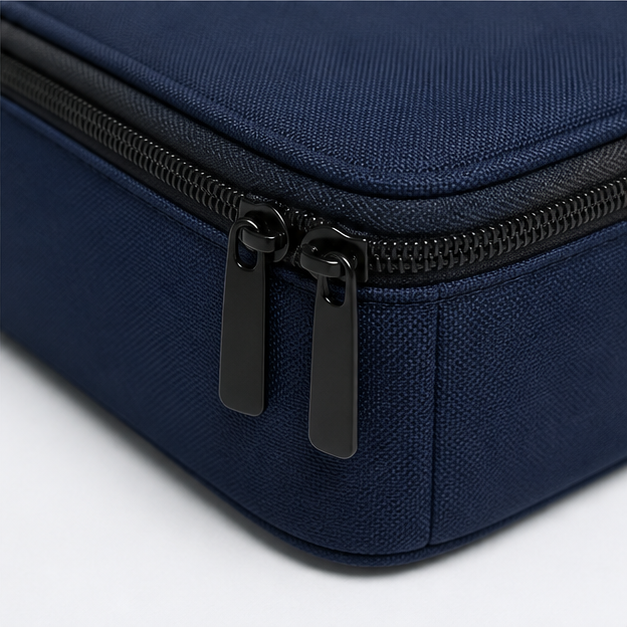
Review the shell, lining and zipper details against the intended beauty kit. Agree cleaning expectations and any product-contact requirements before choosing the final construction.
Reference visuals, not production approval. Features, construction and any performance requirement must be confirmed on your sample.
MATERIAL BUILD
The listed materials are the starting direction for Structured Makeup Train Case. Review the shell, inside finish and support together before approving the production specification.
Reference directionPolyester shell
Review the polyester shell with the desired structured feel. Fabric backing and panel support need to be considered together rather than selected separately.
Reference directionWipe-clean lining
The wipe-clean lining direction needs an agreed composition, finish and cleaning instruction. The reference image does not verify chemical or stain resistance.
Reference directionTo be defined with your sample
Specify panel stiffness and divider construction around the intended kit. Changing support thickness can reduce the space inside the case.
The close-up belongs to this design reference. It does not verify fiber composition, coating, recycled content or performance.
Tell us what should stay, what should change and which details matter most to your program. Options below are discussion points, not a fixed configuration.
FUNCTIONAL DETAILS
Use these checks to turn the Structured Makeup Train Case reference into a clear development brief.
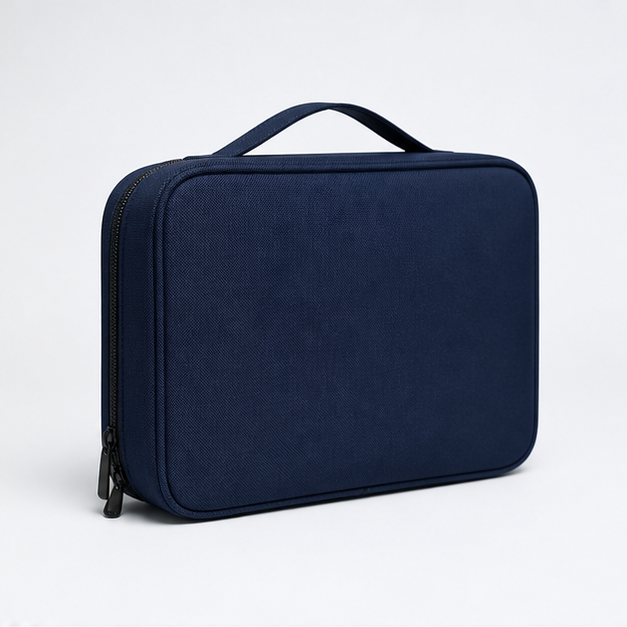
Set compartments around the actual kit. Decide whether dividers are fixed, removable or adjustable before development begins.
Buyer questionWill the contents change between users?
Lid pockets take space from the upper part of the case when filled. Review them alongside the tallest bottles or tools.
Buyer questionWhat can be stored in the lid without touching the kit below?
Agree how firm the case should feel and whether it needs to keep its shape when empty. Inspect corners and panel transitions on the sewn sample.
Buyer questionHow much empty-case structure is required?
Discuss changes before the pattern is finalized. The pictured configuration is not the final specification for your order.
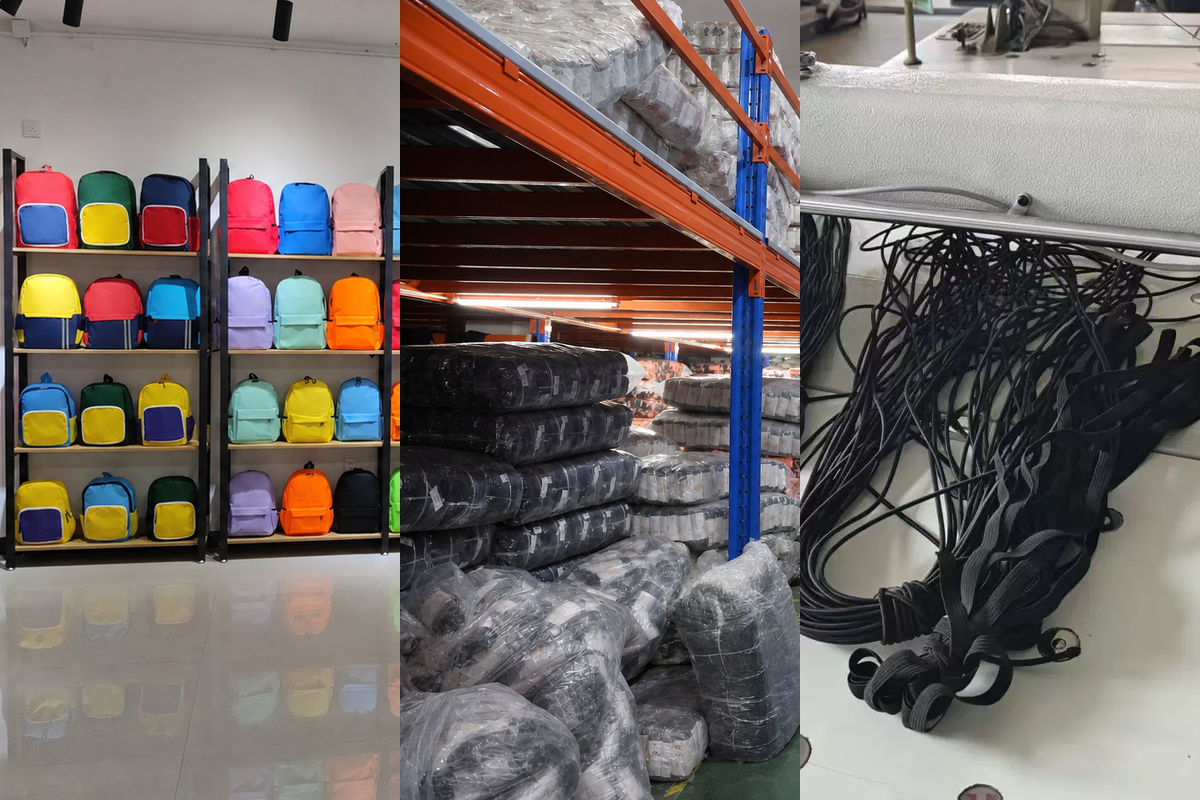
This shared OEM and ODM bag development route shows how a buyer brief moves through sampling, material preparation, sewing, agreed production checkpoints and packing.
Define intended use, dimensions, organization, material direction, branding and packing requirements.
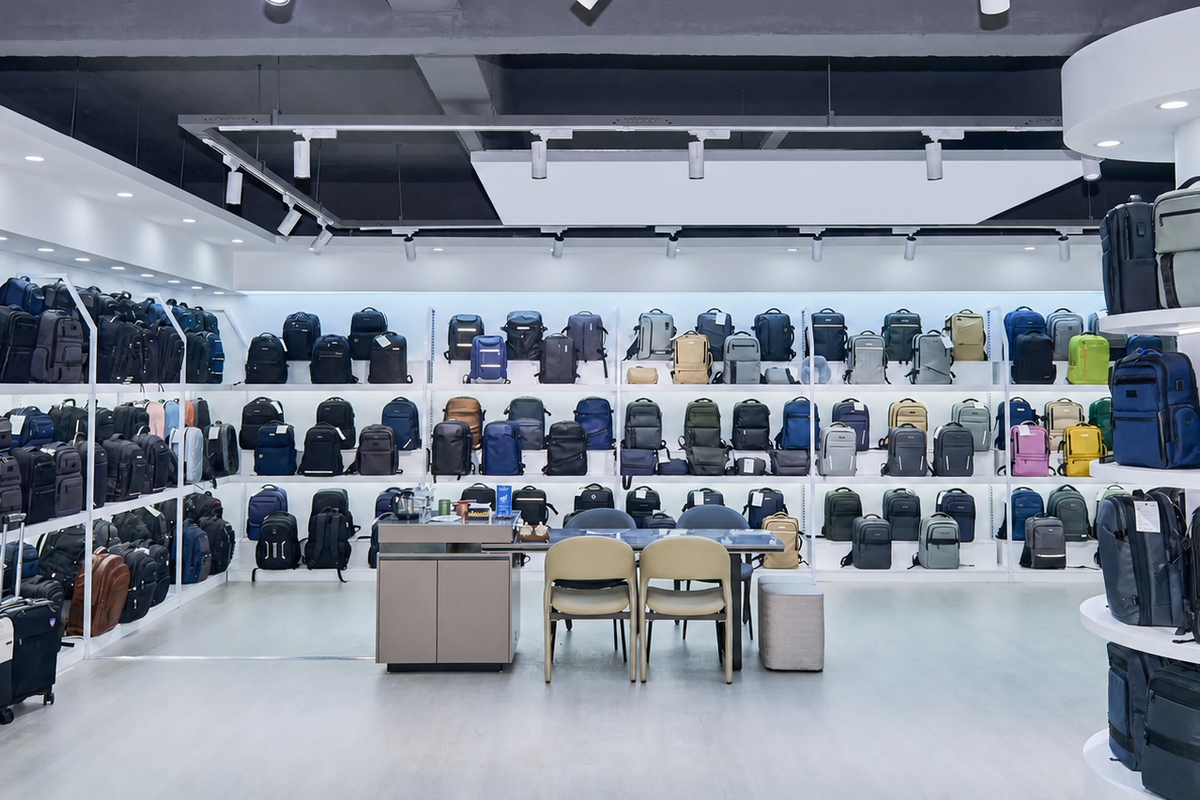
Turn the approved direction into a physical reference and record the revisions needed before production decisions close.
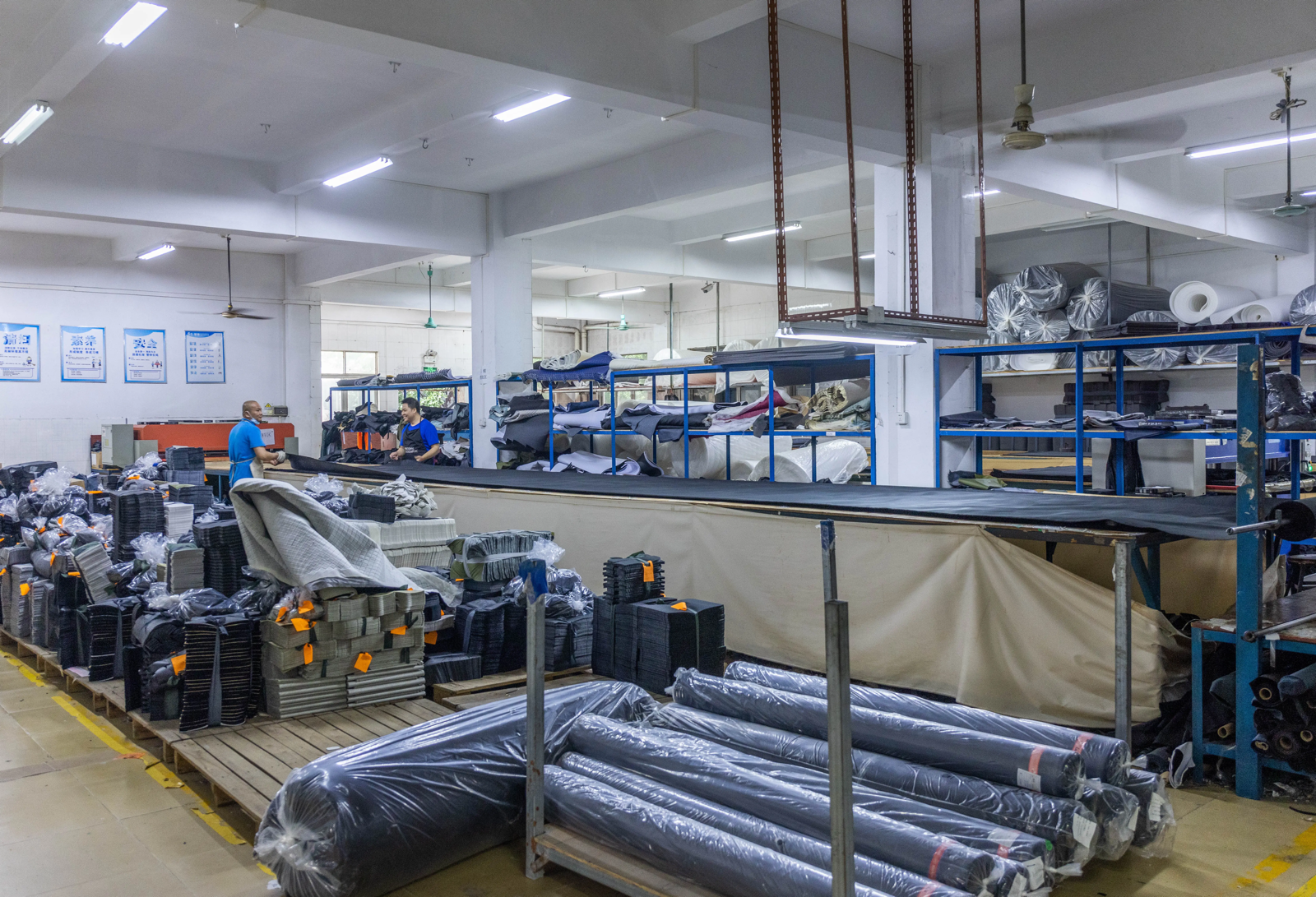
Connect approved construction, components and color direction with material and panel preparation.
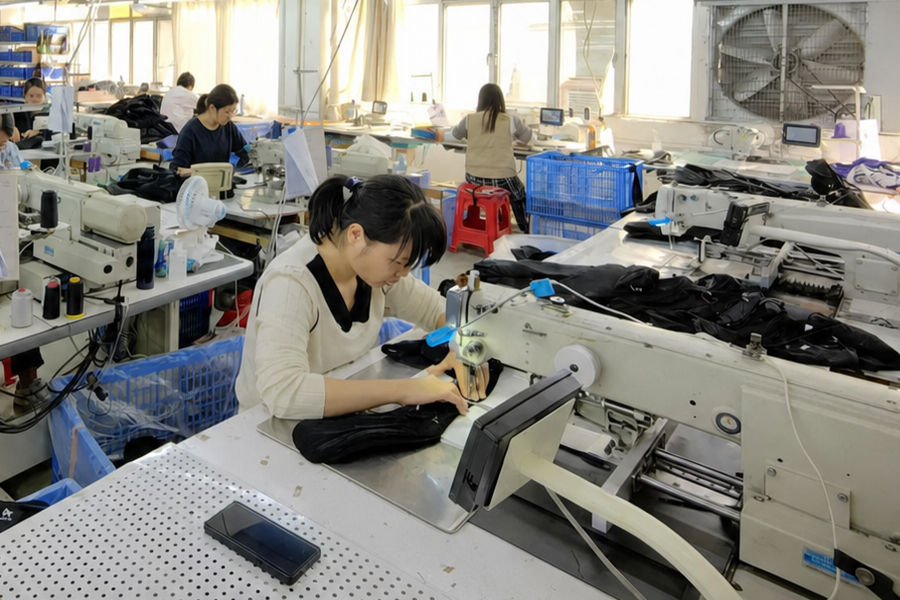
Build the shell, lining, pockets, closures, handles and reinforcement in an agreed sequence.
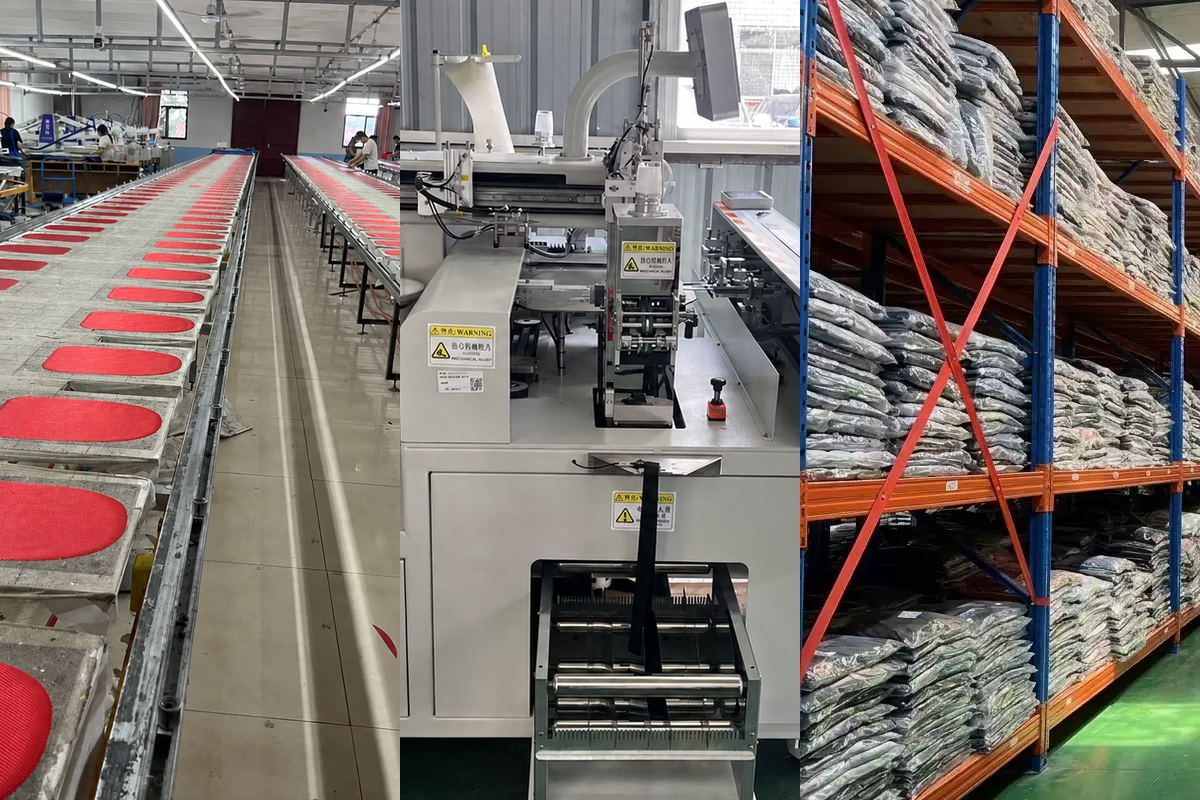
Review workmanship, dimensions, function, branding and order identity against the approved references for the programme.

Apply the confirmed packing, labeling, carton and shipment instructions for the completed order.
The exact development, inspection and production plan is confirmed for each product, specification and buyer requirement, and no image proves every check used for every order.
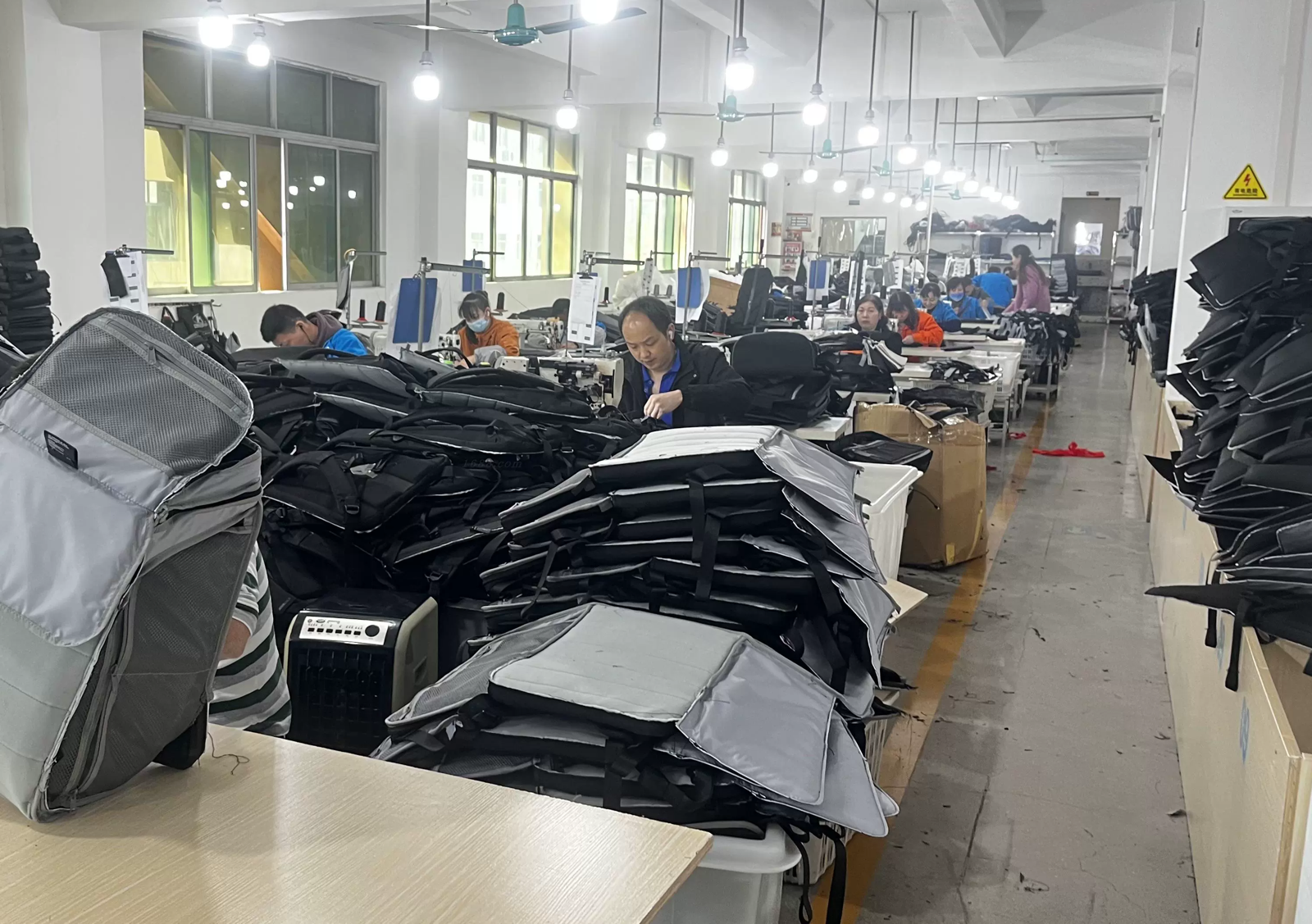
An active bag-production environment supporting made-to-order programmes.
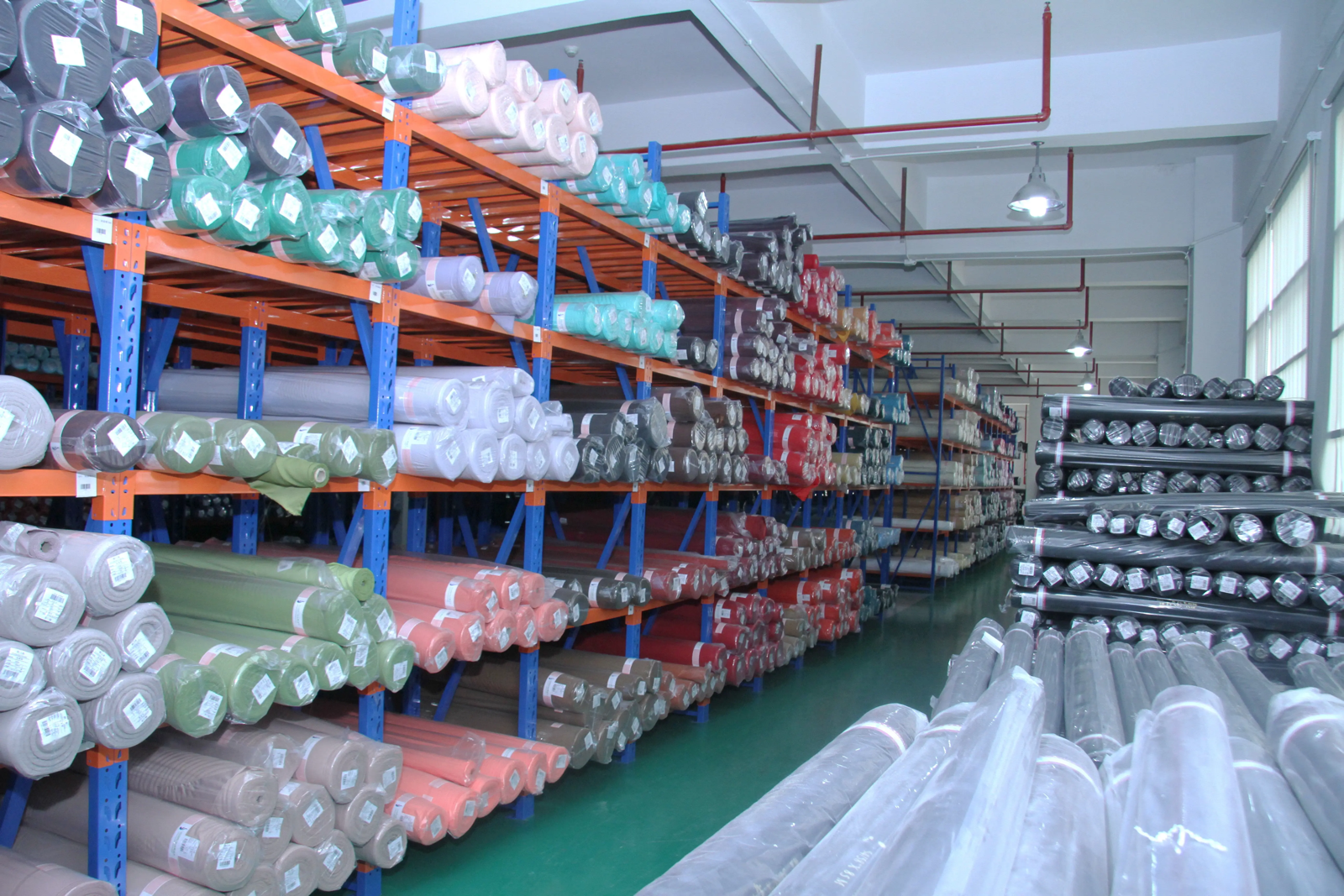
Material-roll storage connected with production preparation.
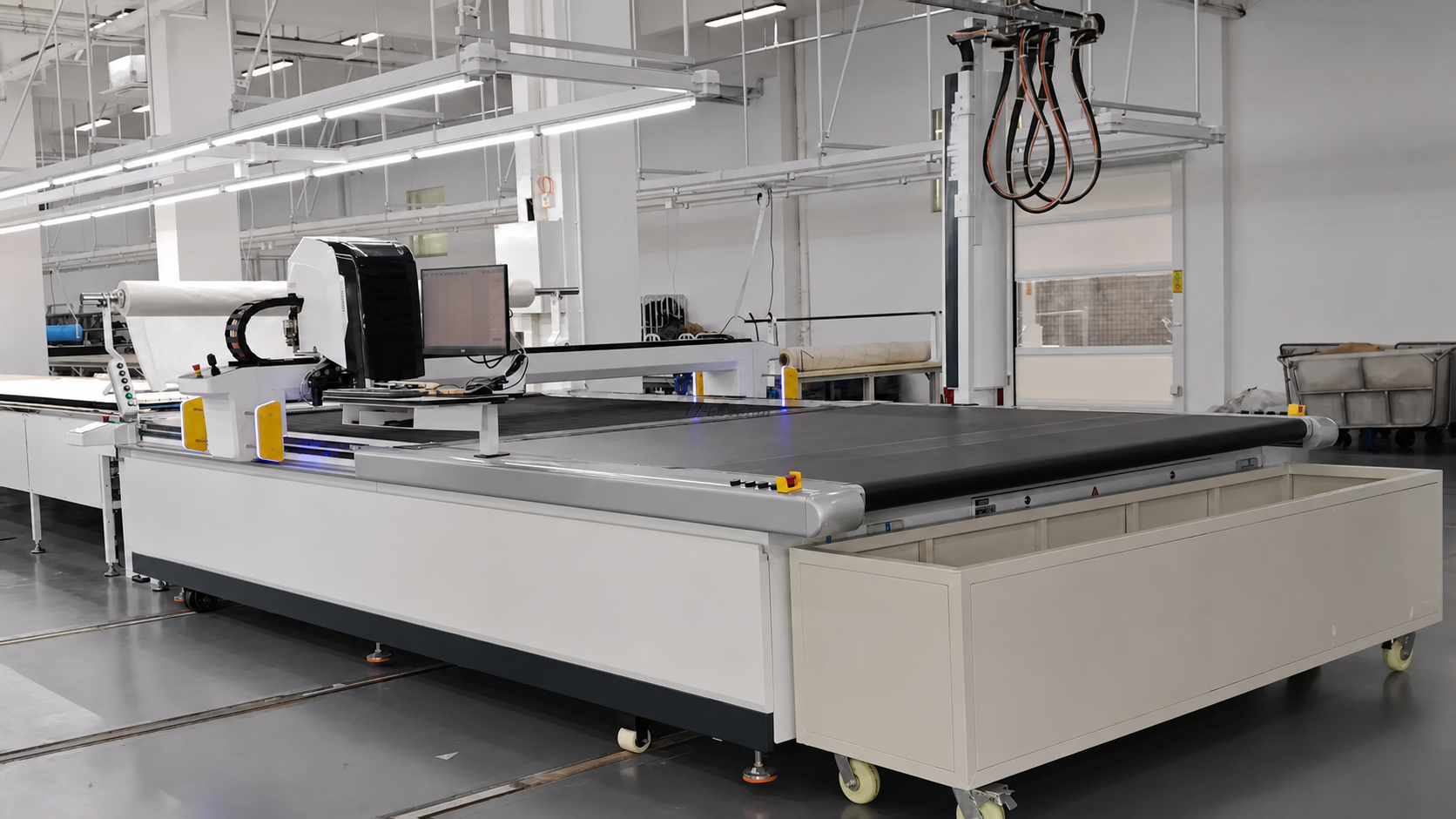
General textile equipment; routing is confirmed for each bag programme.
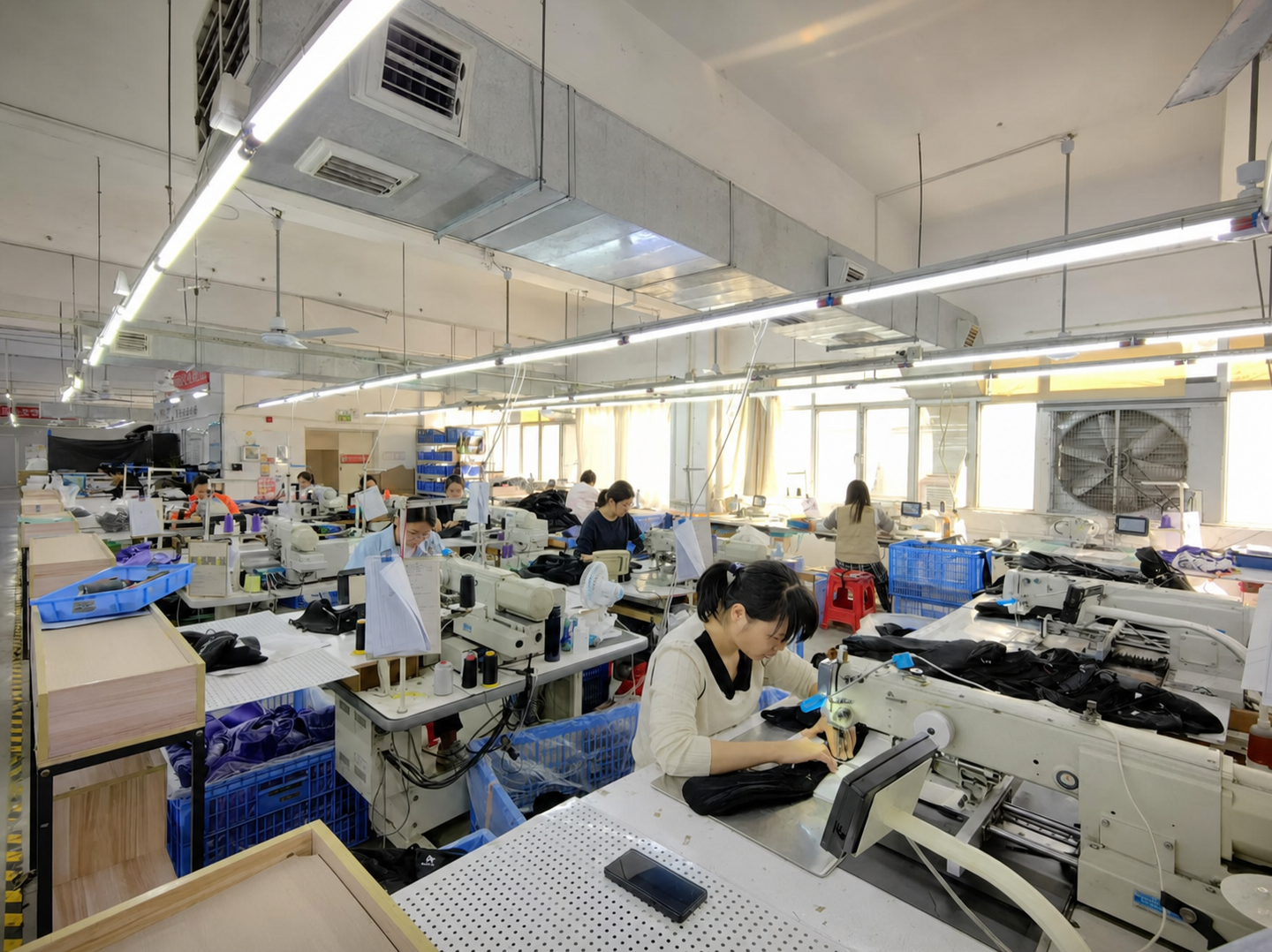
People, workstations and prepared parts in the bag-production environment.
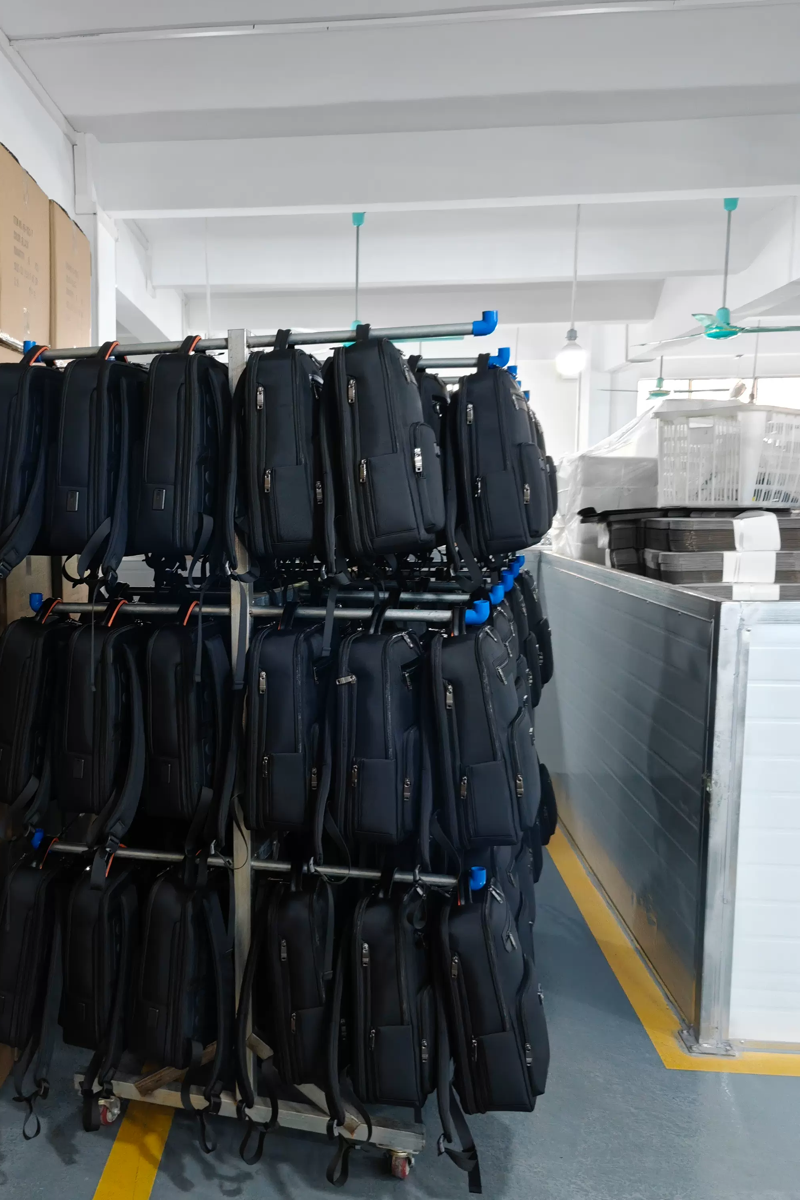
Completed bags remain connected with the order before packing and dispatch.
Arrange the actual containers and brushes, then check divider positions and lid clearance.
Review the preferred body support and handle attachment with the case packed.
Check artwork size, position, color, label wording and packing. Sign off the final specification and sample together before bulk production.
Beauty-brand travel collection development
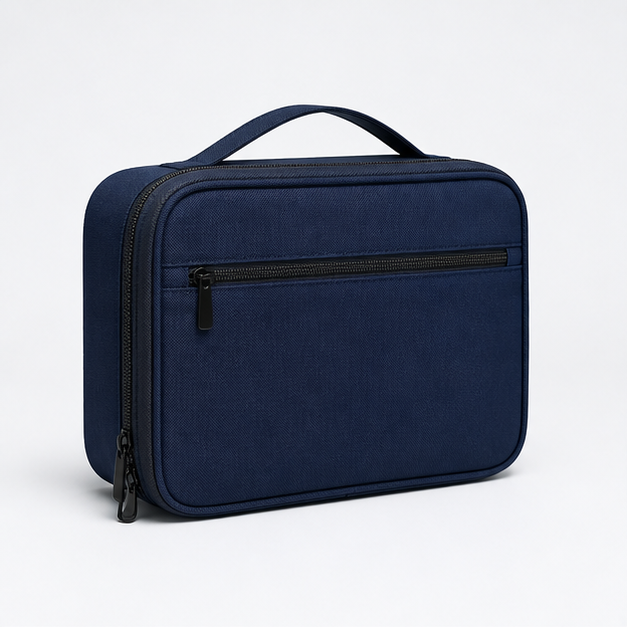
Reference size25 × 17 × 14 cm
View designBeauty-brand sets and wholesale cosmetic procurement
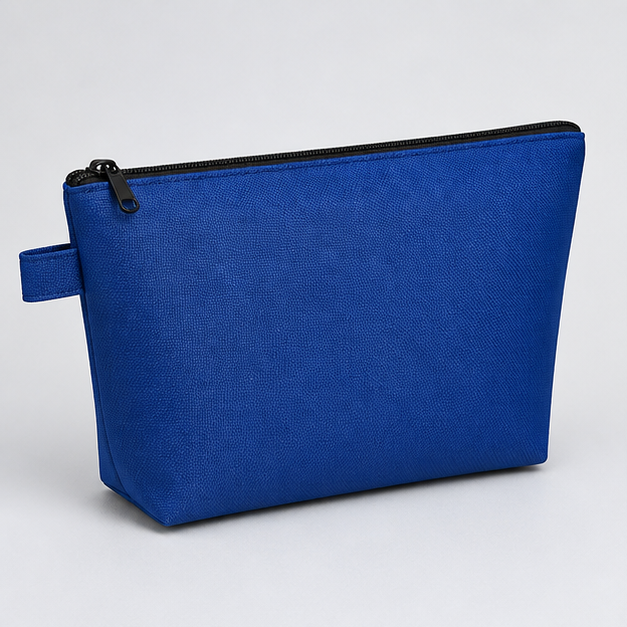
Reference size22 × 15 × 5 cm
View designTravel-brand and hospitality procurement
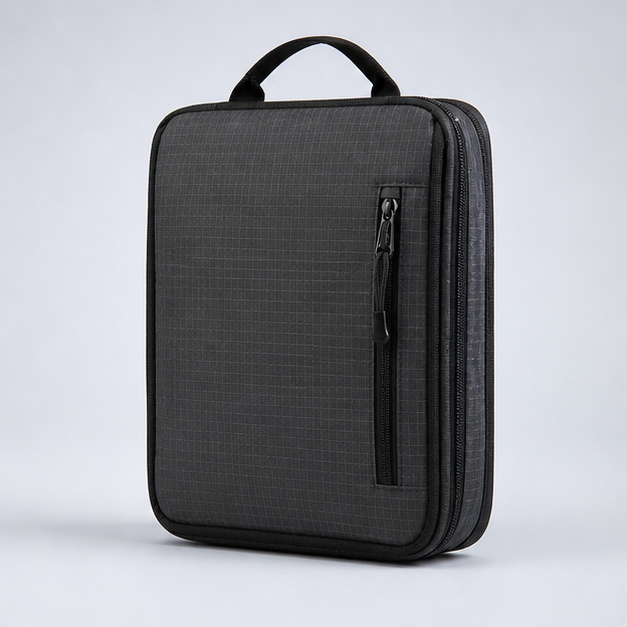
Reference size26 × 20 × 9 cm
View design