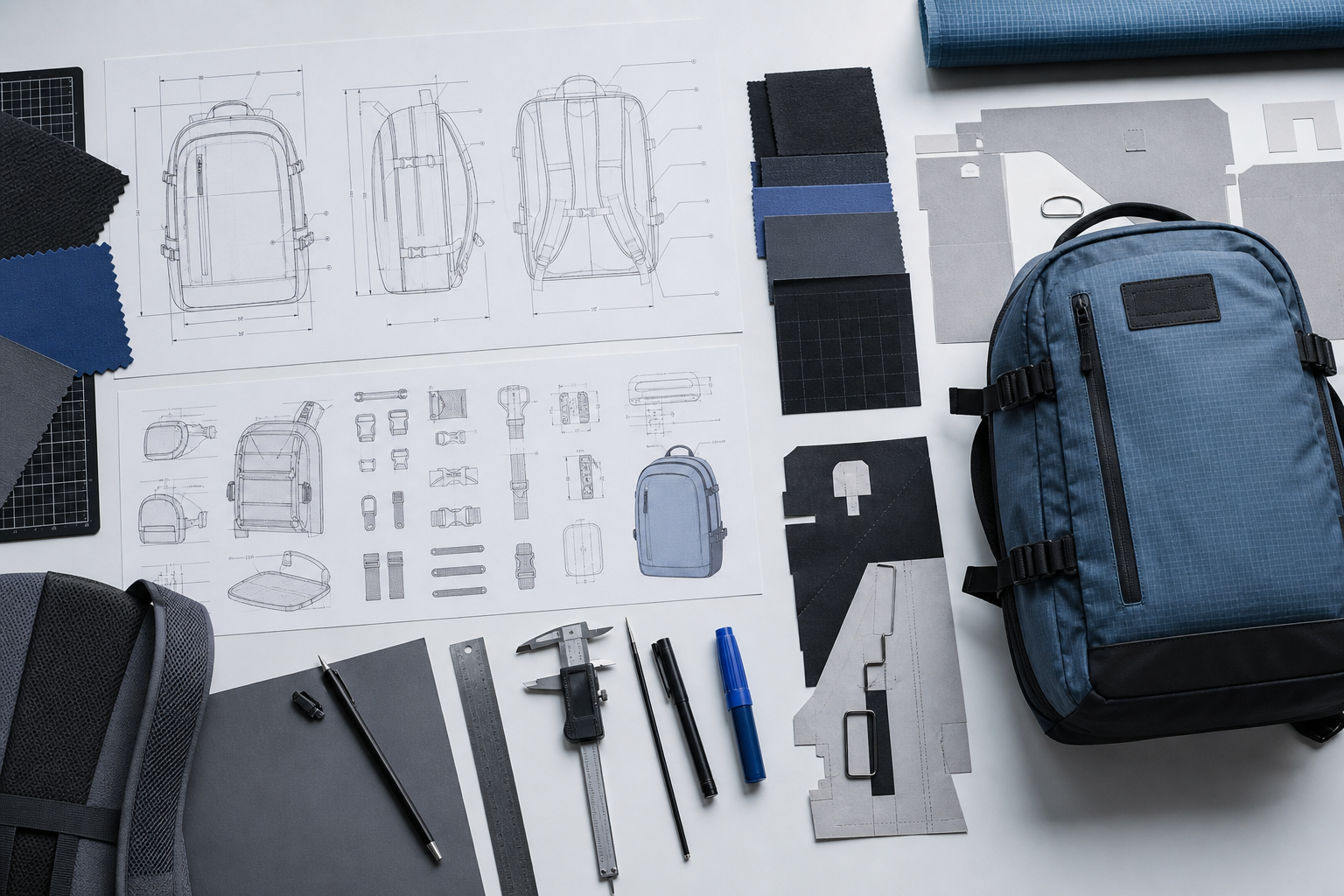
OEM Zippered Canvas Tote Procurement Guide
Prepare a quotation brief for cotton canvas totes with a top zipper: define usable access, canvas and lining references, loaded handles and sample acceptance.
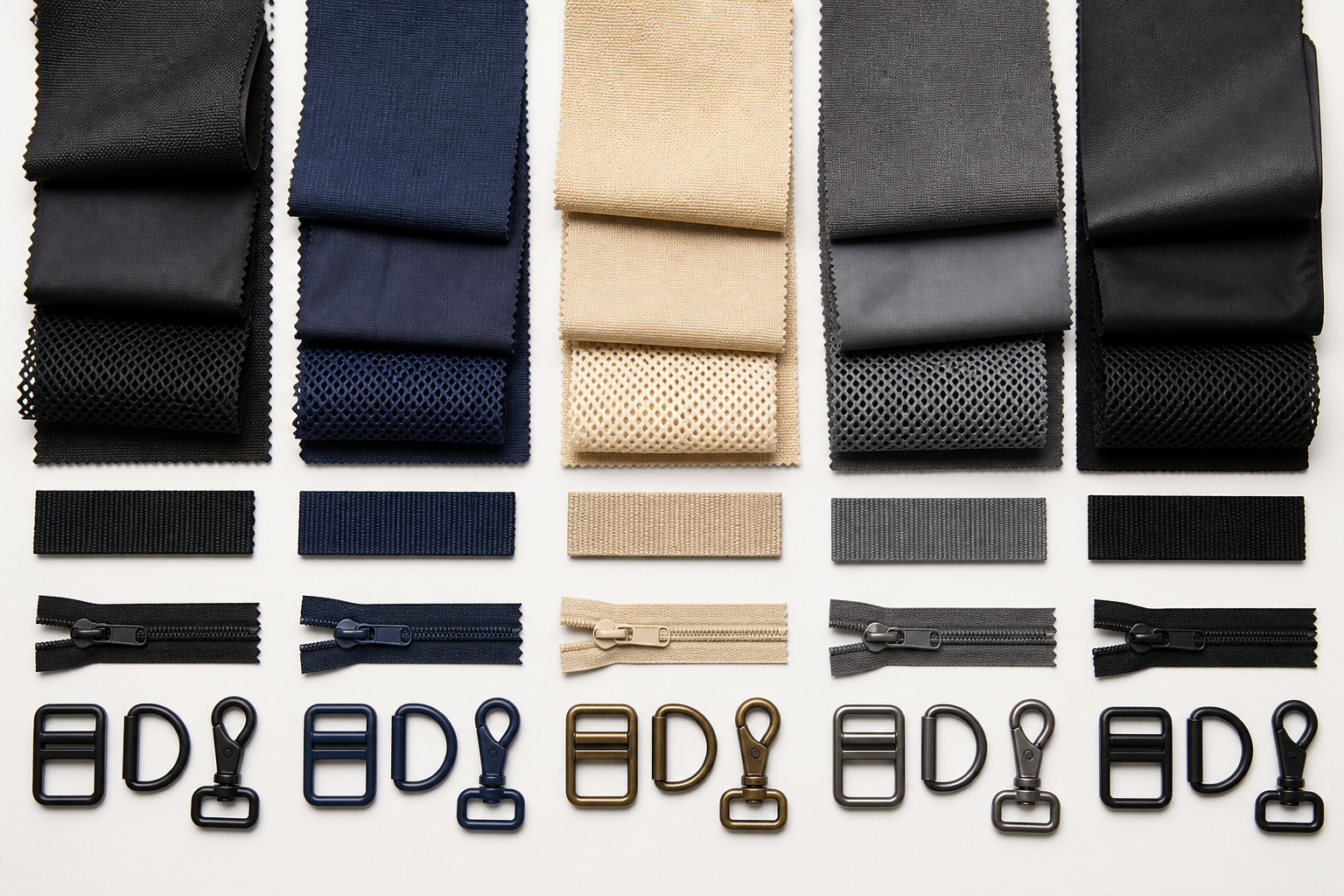
A quotation for a cotton canvas tote with a zipper can leave the most consequential detail undefined: whether the intended contents can pass through the opening once the bag is lined and assembled. For an OEM order, send suppliers a loading requirement alongside the external dimensions. Then compare the same opening, handle and material specification across quotations.
This guide helps brand development teams, importers and wholesale procurement teams turn a zippered tote reference into a brief that can be checked. The useful output is a component and approval record for one proposed construction. Start with the zip-top canvas tote design reference if a recessed zipper is the direction you want to develop.
Specify the opening separately from body width
Draw the finished bag with width, height and depth marked, and state whether each measurement describes the outside or usable interior. Add a separate arrow for the clear opening with the zipper fully open. Identify the largest rigid item that must pass through it, including any case or packaging carried with that item.
A recessed zipper needs its own review. Ask the supplier to show the zipper position relative to the upper edge, the treatment at both ends and the remaining access space. Do not approve access from a front-view drawing alone. The sample review should include inserting and removing the nominated item with the other contents already in place.
State whether the bag must close with that complete load. An item fitting inside an open tote does not answer whether the zipper can close in the intended arrangement. Record any permitted change to the loading arrangement before deciding that the sample meets the brief.
Make the cotton canvas specification traceable
Ask for the proposed fiber composition, fabric reference, weight and unit, finish and color reference. If two suppliers describe their canvas differently, ask each to clarify its measurement basis rather than treating the numbers as directly comparable. Keep the selected physical swatch identified with the quotation revision.
Specify the lining separately. Include its reference and color, where it is attached, and whether the base or pocket requires another component. A change to the lining or support construction belongs in the quotation even if the exterior still resembles the initial image. Use the broader custom bag materials guide for comparing material directions; this brief should record the exact combination under review.
For branding, provide the artwork version and its intended location. Ask for a decoration trial on the nominated canvas, then check placement on the assembled tote. Keep approval of the mark separate from approval of the whole bag. The logo placement guide explains how to record that decision without relying on an ambiguous photograph.
Give handles a loaded review requirement
Define how the tote is intended to be carried and identify the intended load. Record handle width, finished drop and attachment locations on the drawing. State how handle drop is measured so both teams use the same reference points. If shoulder clearance matters, include the relevant clothing condition in the sample review instruction.
Ask the supplier to identify the proposed attachment and reinforcement details. Review the filled sample for access, balance and interference between the handles and zipper. Photograph the same loaded arrangement from agreed views and note any deformation that needs a design decision.
These observations do not establish a rated load or durability claim. If the procurement specification requires either, define the appropriate test, acceptance rule and evidence with the responsible parties before approving such a claim. Do not convert a brief handling check into a performance rating.
Send one specification table with the bulk inquiry
Use the following fields as a quotation attachment. Enter your project requirements in the middle column and ask each supplier to return its proposed specification or exception. Keep alternatives visible rather than allowing an unmarked substitution to change the comparison.
| Brief field | Buyer input | Supplier response to request |
|---|---|---|
| Finished size and access | External dimensions, clear opening and nominated contents | Drawing with measurement points and open questions |
| Canvas and lining | Approved references or material direction | Component references, weight units, finish and swatches |
| Zipper construction | Recessed position, opening route and end treatment | Proposed zipper and assembly details |
| Handles and pocket | Carry method, drop, load and pocket contents | Attachment, reinforcement and usable pocket dimensions |
| Branding | Artwork version, application and location | Trial scope and any placement constraints |
| Order assortment | Quantity by color and logo variant | Confirmed quotation basis and component constraints |
| Approval and packing | Sample decisions, packing instruction and destination date | Included work, exclusions and schedule assumptions |
When an alternative changes more than one field, request a separately identified option. A different lining might also change pocket attachment or the zipper assembly. Bring those consequences into the supplier quotation comparison before comparing totals. A short list of unresolved differences is more useful than a price ranking based on unequal specifications.
Release a specific sample revision
For the approval record, identify the sample, drawing revision, material references, artwork and loading arrangement. Record observations for opening access, closure, handles, pocket usability and appearance. Give each open point a decision owner and specify whether it needs another sample, a component trial or a corrected document.
Avoid approving the tote with only a message saying that it looks right. State which sample and specification are accepted and list anything excluded from that approval. Confirm that the supplier's production documents carry the same references before the order advances.
For a Truedrape OEM inquiry, send the tote specification and quantity split, with the required destination date and any unresolved access or handle questions. A reference image helps identify the direction; the written opening and component requirements make the quotation review actionable.