OEM Insulated Lunch Bag Procurement Guide
Turn a bulk cooler or lunch bag inquiry into a container-fit brief and an agreed thermal review plan before approving materials, samples or performance wording.
“Insulated lunch bag” is not a complete procurement specification. A supplier can propose a material stack without knowing which containers must fit or what thermal result the buyer expects. Before comparing OEM quotations, prepare two linked records: the container arrangement and the conditions under which any required thermal performance will be assessed.
For brands, distributors and procurement teams developing private label cooler bags, this distinction keeps material selection separate from an unsupported performance promise. Use the OEM cooler and lunch bag references to choose a starting format. Then describe the actual load and the evidence your project needs; an illustration cannot establish either fit or thermal performance.
Fix the container arrangement before choosing dimensions
Identify each container, lid, bottle and accessory that belongs in the bag. Record the complete external dimensions, including protruding closures. Add any cooling packs to the layout, with their dimensions and proposed position. State whether the contents remain upright and which item must be removed first.
Ask for a drawing that distinguishes finished external size from usable internal space. Review the sample with the complete nominated arrangement rather than checking each container separately. Close the bag, reopen it and remove the contents in the intended sequence. Photograph the arrangement so a later sample can be reviewed against the same load.
If the buyer changes the container set, update the brief and repeat the affected fit checks. Do not keep an approval based on an earlier box shape while asking the supplier to accommodate a different one. Mark unavailable containers and any substitutes clearly; provisional fit remains an open decision until the intended set is reviewed.
Translate the thermal requirement into a review plan
When requesting an OEM thermal lunch bag quotation, avoid asking only how many hours the bag keeps contents cold. Ask the supplier what method, sample and conditions support any proposed result. For a new requirement, have the appropriate testing party and project owner agree the procedure and acceptance criterion before testing begins.
The following fields help procurement teams identify missing information. They are a planning record, not a test standard or a food-safety protocol. This guide supplies no temperature thresholds, safe storage durations or product rating.
| Review field | Information to agree |
|---|---|
| Sample identity | Bag revision, material stack, closure and sample identifiers |
| Load | Container types, contents or agreed substitutes, quantity and arrangement |
| Starting conditions | Preparation of the bag, load and any cooling packs |
| Environment | Ambient conditions and how they will be controlled or recorded |
| Cooling packs | Whether included, their specification, preparation and placement |
| Access | Whether the closure remains shut or follows an agreed opening schedule |
| Measurement | What is measured, where, with which method and at what intervals |
| Acceptance | Required result, duration, decision rule and reporting responsibility |
If a supplier provides a report for a different bag, list the differences before deciding whether it answers your requirement. A changed size, load or closure means the report does not describe the exact proposed configuration. Ask the responsible testing party to determine what further evidence is needed. Do not transfer another model's result into the new order by changing the product name on a document.
Keep lining, cleaning and leakage requirements distinct
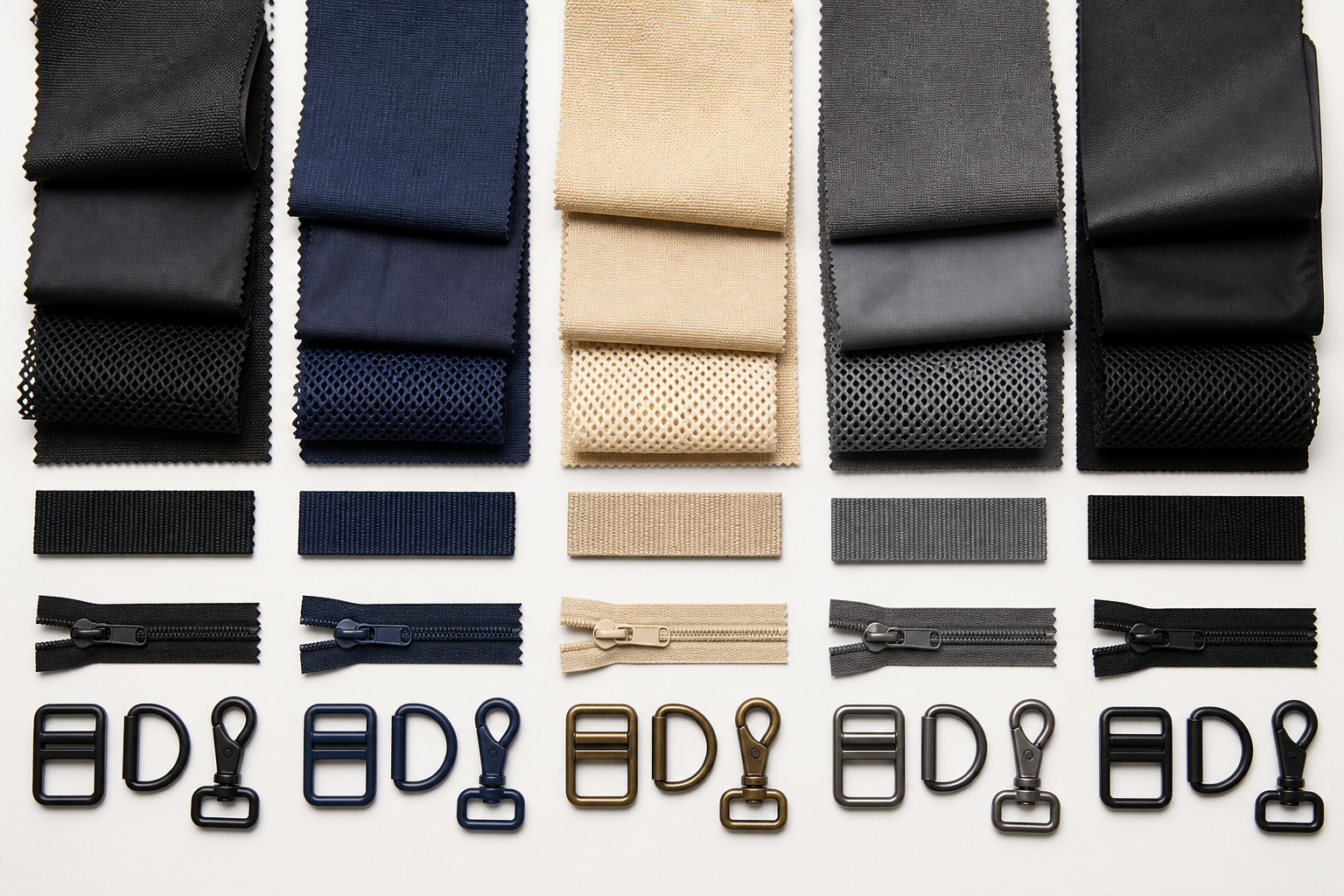
Ask the supplier to identify the outer fabric, insulation, inner surface and joining construction in the quotation. Keep material references with the sample record so a later substitution can be evaluated. Describing the lining by appearance alone leaves its actual specification unresolved.
State the intended cleaning method and ask how it should be reviewed for the selected construction. If the program requires resistance to liquid leakage, define the relevant conditions and verification separately. A tidy inner surface or a coated material name does not provide that evidence.
Also state whether the bag is intended to carry closed containers or whether another contact condition is proposed. Where material documentation is required for the intended use and destination, have the responsible compliance reviewer define and assess that evidence. Do not treat a generic material statement as approval for every component or application. This purchasing guide does not determine regulatory compliance.
Compare the quotation against the evidence requested
Send the same container layout and review requirements to each shortlisted supplier. Ask each to identify the proposed component stack, included sample work, required third-party work and any evidence outside its quotation. Include artwork, logo placement, color quantities, packaging and the required destination date so those assumptions are also visible.
Separate an available result from a planned check. “Report supplied for review,” “testing proposed” and “requirement unresolved” describe different procurement states. Keep them in separate fields in the comparison. A proposed test should not be described as completed evidence when the sample has not yet been made.
If a lower quotation changes the lining or insulation, ask which fit and evidence decisions must be revisited. Bring the proposed alternative back to the buyer's project owner before it becomes the production specification. For the general component approval process, refer to the materials guide.
Close sample decisions with an evidence record
Review container access, closure, handles, lining finish and branding against the accepted brief. Record observations separately from any formal test report. Use the sample review process to assign actions, identify the next revision and state which points remain open.
Before release, reconcile the approved sample, component list and supporting documents. Keep report identifiers and their scope beside the requirement they address. Confirm the production quality checkpoints needed to check the agreed construction, rather than assuming that a development review checks every later unit.
For a Truedrape OEM insulated bag inquiry, send the container layout and review requirements with the quantity split and timing. State whether thermal evidence is required and what remains undecided. That gives the quotation discussion a defined scope without assuming a performance result in advance.